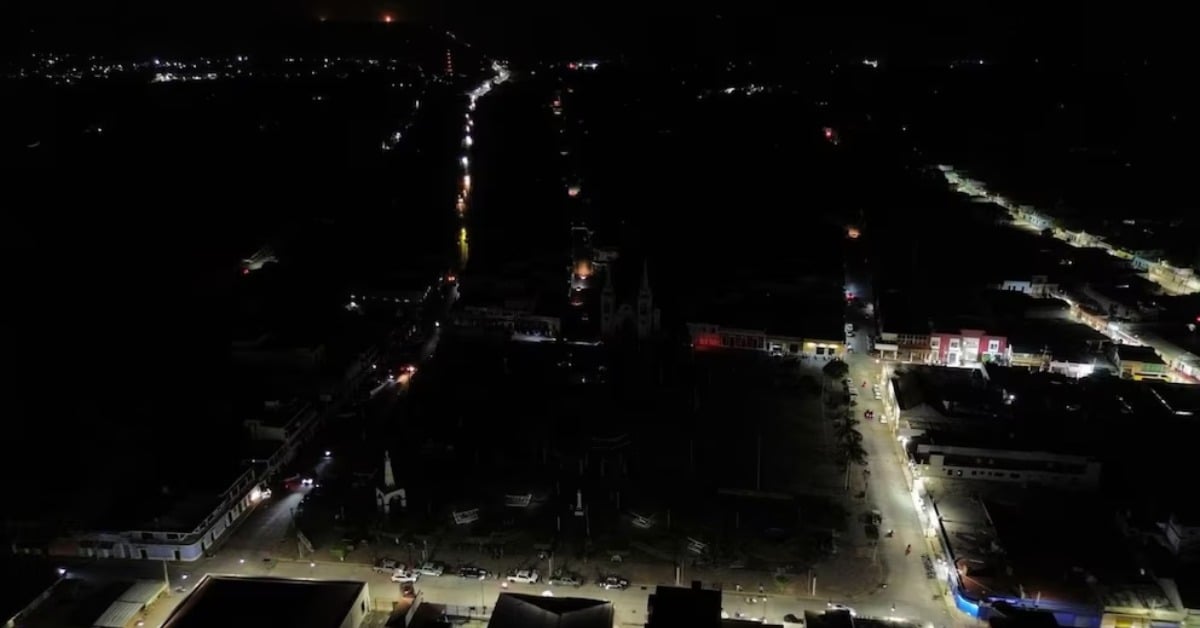
Residents of Laguna Grande, a small community in Escárcega, say patience ran out after yet another blackout. On Thursday, they detained a CFE crew that had arrived to fix the fault and demanded a real, lasting repair plan. People in nearby ejidos are weighing whether to join, arguing that outages have become part of daily life, ruining food, work, and sleep. Authorities were asked to step in. The standoff spotlights fragile power service across the peninsula—and whether promised upgrades will reach rural towns soon enough.
What happened in Laguna Grande
Villagers in the ejido of Laguna Grande, Escárcega, detained a team from the Federal Electricity Commission on Thursday after repeated power cuts, which they say have been lasting for hours and returning frequently. The crew had been dispatched to address a reported fault by the community’s comisario, Miguel Guzmán López. Residents kept them on site as leverage for concrete repairs.
Community members described blackouts that can last for more than seven hours, accompanied by slow response times. People in neighboring ejidos facing similar failures may join the protest, raising pressure on the utility and local authorities.
Who is affected and why it matters
Laguna Grande is a rural locality within the municipality of Escárcega, Campeche, near the Centenario region. Fewer than 1,000 people live there, but like many small towns, they depend on refrigeration for food, fans for heat, and power for small businesses. A prolonged outage quickly becomes a public health and livelihood issue.
Local media in Campeche and across the peninsula have documented mounting frustration over recurring cuts this year. A separate report issued the same day noted that residents demanded full line rehabilitation, transformer checks, and a written commitment from CFE to deliver upgrades—signaling that trust has frayed beyond simple fault repair.
The broader picture on the peninsula
Power reliability has wobbled in parts of the Yucatán Peninsula in 2025. In March, a large blackout hit Campeche, Yucatán, Quintana Roo, and Tabasco. Authorities and CFE attributed the event to problems related to the quality and supply of natural gas, which affected generation in the region. Those explanations underscored how thin operating margins can be when demand spikes.
Officials say new capacity is on the way. CFE and state authorities announced additional combined-cycle plants and transmission improvements designed to boost Yucatán’s available capacity by roughly a third, and, in theory, reduce the frequency and duration of outages once they are entirely online. The challenge is timing and reach—when those investments translate into more steady service in rural Campeche communities, such as Laguna Grande.
Laguna Grande power outages and a tactic born of frustration
Detaining utility workers is not sanctioned by law, but the tactic emerges in Mexico when residents feel they have no other options. Newsrooms in other states have logged similar episodes during prolonged blackouts, a sign that service failures can quickly erode trust between communities and providers. Rural towns often say formal complaint channels bring little relief and that promised fixes stall.
People in Laguna Grande are asking for more than a quick reset. They want a plan: new lines where needed, transformer checks, and clear timelines. That aligns with what local leaders in Campeche have accused CFE of neglecting—aging infrastructure and maintenance—though the company has not detailed site-specific remedies for Escárcega.
What comes next
As of late Thursday, residents awaited the arrival of authorities and CFE representatives to negotiate. Tribuna Campeche reported neighboring ejidos may join if the response falls short. If talks yield a signed work schedule and visible early fixes, the detention will likely end quickly. If not, expect more localized actions and political pressure to persist as heat and demand continue across the peninsula.