Lake Chapala is still holding more water than it did during recent low-water anxiety, but the cushion built during the last rainy season is shrinking. State water data for May 27 placed the lake at 63.62 percent of capacity, down from early April. The next stretch will show whether the first sustained rains can slow the decline before more of last year’s recovery is lost.
Lake Chapala’s water level is dropping
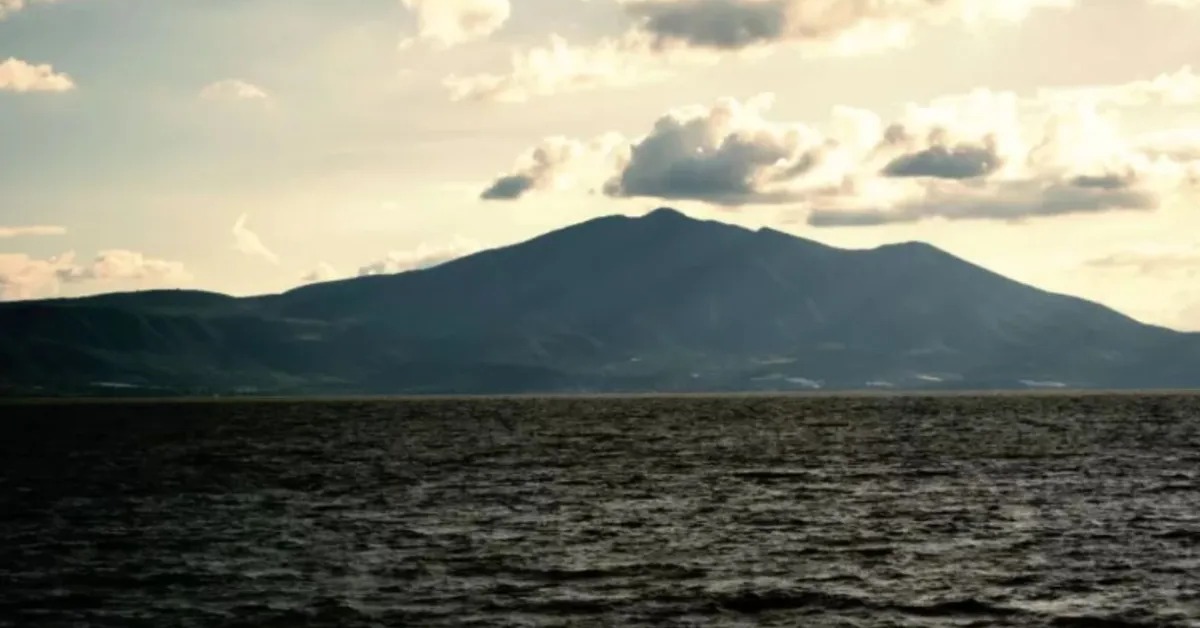
Lake Chapala stood at 63.62 percent of capacity on May 27, extending its dry-season decline before the main rains return to the basin.
State water data for Wednesday placed Chapala below its early-April reading of 68.91 percent. It remained well above the low-water conditions that alarmed the region during 2024. The same table showed a volume of 5,024.16 million cubic meters and a cota of 95.25 meters. Cota is the reference gauge used to track the lake’s level.
Chapala keeps losing its April cushion
The latest drop follows a familiar late-spring pattern. Heat, evaporation, and limited rainfall usually pull the lake down before sustained storms add water back. A May 27 local update framed the coming rains as the next test for the lake. Chapala remains stronger than it was during the worst part of the recent drought cycle.
The decline is still large enough to register. From 68.91 percent in early April to 63.62 percent on May 27, Chapala lost 5.29 percentage points of capacity. The lake has a listed maximum storage of 7,897 million cubic meters. Each percentage point equals roughly 79 million cubic meters of water.
Earlier coverage of Lake Chapala’s dry-season slide noted that the lake had already fallen to the mid-60 percent range by early May. Wednesday’s reading continues that movement. It does not put the lake near the levels seen during the 2024 drought concerns at their sharpest.
The lake remains above last year’s same-date level
The state data gives a clearer comparison than a single percentage point. On May 27, 2025, the lake was listed at 48.02 percent. The 2026 reading is 15.60 percentage points higher on the same date, according to the same official table.
That gap is the reason the current decline is being watched rather than treated as an emergency signal. Chapala entered the hot stretch with more stored water than it had in recent low years. That cushion is now shrinking.
The lake’s role also makes small changes more visible. The official lake profile describes Chapala as Mexico’s largest lake. It also lists the lake as the primary potable water source for the Guadalajara metro area, supplying about 60 percent of the water that reaches the city.
Rain will decide how much of the recovery holds
The next several weeks will show whether the dry-season decline slows as rain returns. The other possibility is that the lake gives up more of last year’s recovery before the rainy months take hold. That question sits beside a larger fight over the Lerma-Chapala system. Water projects tied to Chapala and the basin have drawn legal challenges and public opposition.
For now, the official number is neither a crisis reading nor a comfort reading. It shows a lake still in better shape than last year’s same-date level. It also shows the dry season still taking water before the rainy months decide the next turn.