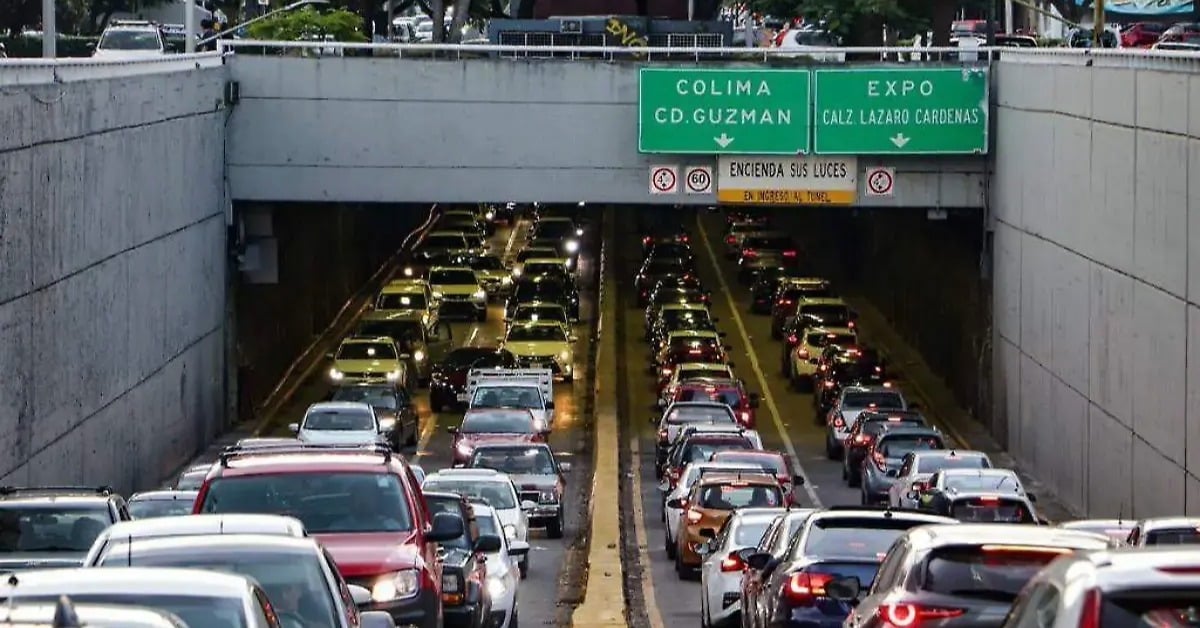
The push to build an elevated roadway over Avenida López Mateos hit a wall of civic opposition. Red Ciudad Posible said the “second deck” would carry irreparable urban, social, environmental, and economic impacts, urging authorities to drop the idea before it advances. The group framed the project as a costly shortcut that misses the corridor’s real needs.
Officials signaled a pause for discussion. Governor Pablo Lemus announced a technical and citizen roundtable to evaluate the López Mateos corridor and admitted that prior efforts have not been enough. The promise is to weigh options in public view rather than rush a single blueprint to construction.
López Mateos second deck
The proposal is not new in Mexican cities. Elevated lanes promise speed but often shift problems instead of solving them. The Observatorio de Movilidad rejected the viaduct, arguing that projects of this kind do not resolve the area’s underlying mobility issues. The corridor’s burden, they say, comes from how people and goods move, not only from the number of lanes.
Political voices are asking for a wider mandate. Senator Carlos Lomelí called for a public consultation before any major decision, warning about possible harm to local businesses and nearby neighborhoods. He urged authorities to listen to residents who live in the corridor every day.
What critics are putting on the table
Urbanists see four red flags. They point to the environmental cost of new concrete and traffic at height. They warn of social impacts when elevated works cast shadows over storefronts and homes. They fear economic strain from a large, debt-heavy project that competes with service upgrades elsewhere. And they argue the plan locks in car dependence instead of improving safe, frequent options for buses, bikes, and people on foot. Those are long-term concerns, not one-season headaches.
The counter-argument is speed and capacity. Supporters of elevated links often promise faster trips and fewer bottlenecks. But critics say any gains would be temporary without broader fixes that manage demand, prioritize high-capacity transit, and make surface routes safer. That is the debate the roundtable now has to confront.
What the government says happens next
Lemus’ team pledged to seat a mesa técnica y ciudadana. The aim is to review the corridor’s problems and test alternatives in public. Lomelí’s call pushes the process further, pressing for a binding consultation before the state spends big money on a single option. The timeline will depend on how the table is formed and how the public is invited to weigh in.
Why this corridor matters
López Mateos is not just a line on a map. It links homes, schools, shops, and jobs across the metro. Decisions here ripple through budgets, travel times, and the shape of future growth. That is why opposition arrived early and why the state now talks about evaluation rather than excavation. The next weeks will show whether the process can absorb public pressure and still land on solutions that last.