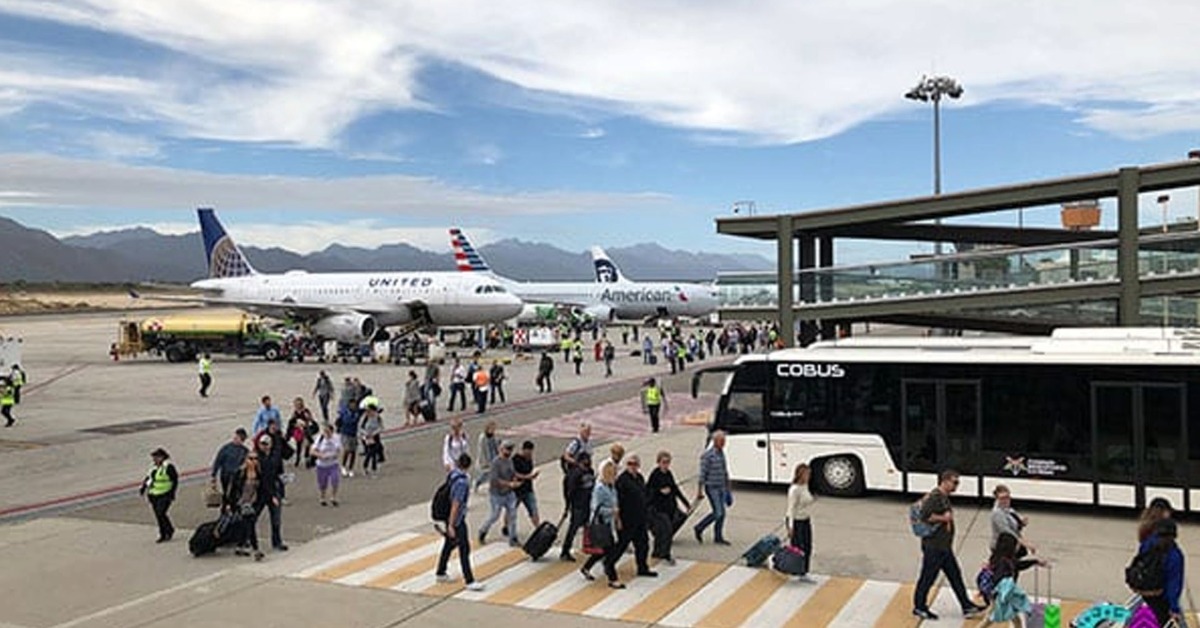
Los Cabos is preparing for more nonstop air service from Canada as airlines add winter routes and frequencies into San José del Cabo. The new flights come as the destination seeks to protect one of its most important foreign markets while balancing softer travel demand across parts of the broader Mexican tourism sector. For travelers, residents, and businesses, the changes could affect flight options, seasonal pricing, and airport traffic during the 2026–2027 winter season.
Los Cabos prepares for more winter flights from Canada
Los Cabos is expected to see more air capacity in the coming months as airlines add winter service from several Canadian cities.
The new and expanded routes are aimed at the 2026–2027 winter travel season. They strengthen the destination’s direct links with Canada, one of its most important international markets after the United States.
The flights will serve San José del Cabo International Airport, the main airport for Cabo San Lucas, San José del Cabo, and the Tourist Corridor. The added service is expected to give Canadian travelers more nonstop options during peak winter months.
The expansion also comes as Mexico’s beach destinations compete for airline capacity in a more selective travel market. Airlines are closely monitoring demand, costs, and route performance, especially on leisure routes.
What new routes are expected
The added service includes flights from Toronto, Edmonton, Ottawa, and Montreal.
Porter Airlines is expected to operate three times per week between Toronto and Los Cabos starting November 16, 2026. Porter also plans to offer service between Edmonton and Los Cabos four times per week starting on the same date.
Ottawa is expected to join the network on December 18, 2026, with Porter operating two weekly flights to Los Cabos. Air Transat plans to connect Montreal with Los Cabos once per week starting December 10, 2026.
Together, those routes add several weekly nonstop options from eastern and western Canada. They also make Los Cabos easier to reach for travelers who want to avoid connections through U.S. or Mexican hubs.
For retirees, snowbirds, and frequent travelers to Mexico, the practical benefit is simple. More nonstop flights can mean better schedule choices, shorter travel days, and more competition on some routes.
Canada remains a key market for Los Cabos
Canadian tourism has become a steady part of the Los Cabos economy.
Tourism officials said Baja California Sur received about 220,000 Canadian tourists last year. Of those, about 215,000 arrived in Los Cabos. That shows how heavily the state depends on the destination for Canadian travel.
The winter season is especially important. Many Canadians travel south during the colder months, and Los Cabos competes directly with other Mexican beach destinations, the Caribbean, and the U.S. sun markets.
For Los Cabos, stronger Canadian connectivity also helps reduce dependence on one market. The United States remains the primary foreign source of visitors, but broader Canadian service adds another layer of stability.
That matters during periods when airlines adjust routes. Some carriers have trimmed capacity in Mexico in selected markets due to fuel costs, softer leisure demand, or shifting travel patterns. More Canadian flights give Los Cabos another way to keep seats moving into the destination.
Growth brings benefits and pressure
More flights can help hotels, restaurants, transportation providers, and tour operators. The airport is also a major gateway for second-home owners and part-time residents.
But added air capacity also brings pressure. Los Cabos has already seen years of growth that have affected roads, housing, labor demand, and local services.
Airport traffic is one measure of that growth. Los Cabos International Airport handled more than 7.5 million passengers in 2025. International passengers made up the larger share of that total.
That volume places Los Cabos among Mexico’s strongest air-connected beach destinations. It also means even modest route additions can be felt during high season, especially on weekends and holiday travel dates.
Travelers should expect busier airport periods once the winter schedule ramps up. Residents may also notice heavier traffic on the airport corridor and near resort areas during peak arrival windows.
More flights do not erase market uncertainty
The new Canada service is a positive sign for Los Cabos, but it does not mean the market is free of pressure.
Tourism officials have projected overall traveler growth of about 2 percent for the year. That would be a moderate increase, not a surge.
The destination is also working in a changing travel environment. Airfares, exchange rates, hotel prices, and perceptions of safety all affect booking decisions. So does competition from other sun destinations.
For airlines, routes must perform. Announced schedules can still change before launch or during the season. Travelers booking far ahead should monitor airline updates and leave room for adjustments.
For Los Cabos, the goal is not only to add flights. The larger challenge is keeping the destination attractive, accessible, and reliable for repeat visitors.
What travelers should watch next
The most immediate changes will be useful for Canadians planning winter stays in Baja California Sur.
Service to Toronto and Edmonton is expected to begin in mid-November 2026. Montreal service is expected in early December, and Ottawa service follows later that month.
Those dates align with the start of the winter travel period, when demand usually builds ahead of the Christmas and New Year holidays. Travelers looking for longer stays may want to compare fares early, especially for January through March.
For residents and frequent visitors, the added flights may also help when family or friends visit from Canada. More direct routes can make Los Cabos easier to reach without long layovers.
The broader message is clear. Los Cabos air connectivity is still growing, and Canada remains central to that strategy. The coming winter season will show whether the added capacity translates into stronger arrivals and more stable travel demand.