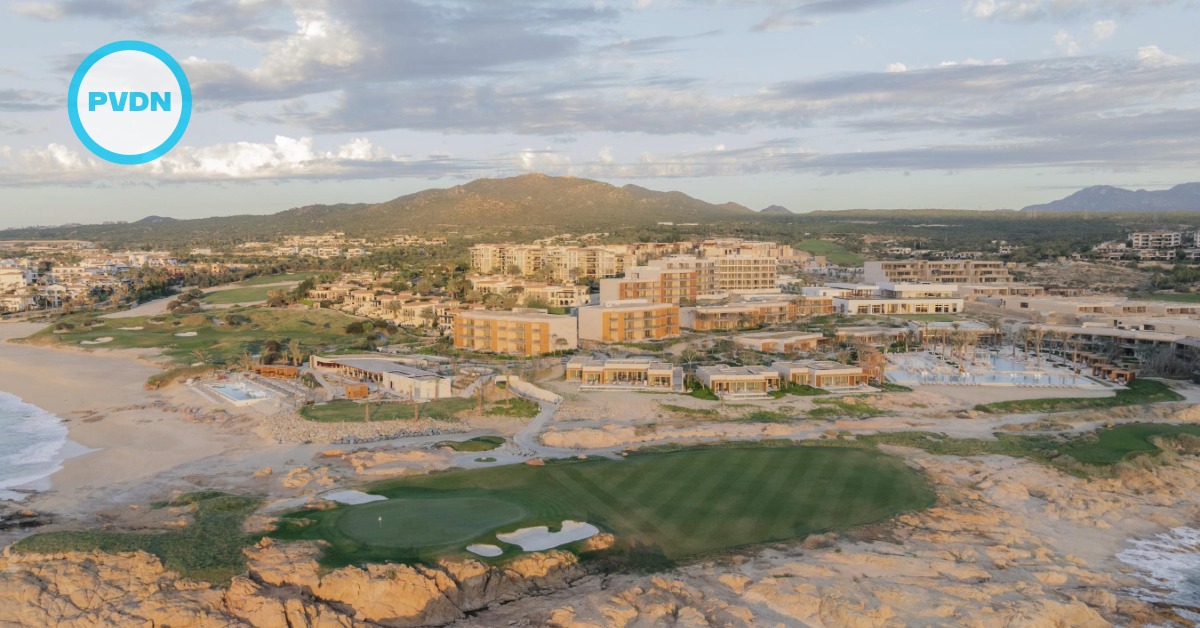
Los Cabos luxury hotels arriving in 2026 could push rates up, add jobs, and deepen pressure on housing, water, and roads.
Los Cabos has spent a decade selling itself as Mexico’s polished luxury escape. In 2026, that bet gets tested when new high-end names land almost back-to-back. The openings promise fresh restaurants, deeper wellness offerings, and a new tier of “money-isn’t-an-issue” travelers. They also raise a harder question locals and expats already whisper about at cafés and school pickup: can a desert destination keep growing without breaking the basics—water, housing, and daily traffic? This is what’s coming next.
A luxury class of 2026 takes shape
Los Cabos is lining up a new round of high-end openings that build on momentum from the end of 2025, when Park Hyatt debuted at Cabo del Sol. Even with the doors already open, the property’s full rollout continues into early 2026, with additional food-and-beverage concepts and its spa arriving in phases. That matters because it resets expectations. When a brand like Park Hyatt plants a flag, it signals to other developers, airlines, and tour operators that the destination can support the next rung of luxury pricing.
The 2026 storyline, though, is the arrival of ultra-luxury names that trade on scarcity and privacy. Amanvari, Aman’s first Mexico property on the East Cape, is expected to open in 2026. It is the kind of resort designed for travelers who want quiet, space, and service that feels invisible. Around the same window, St. Regis is scheduled to open its Los Cabos project at Quivira, adding another globally recognized badge to the coastline. A Soho House outpost is also in the works in the Cabo del Sol area, aimed at the members-club crowd that travels for social scenes as much as beaches.
Taken together, these openings are less about filling beds and more about shaping identity. Los Cabos keeps leaning into the message that it is not a “deal” destination. It is a place people choose on purpose, even when the price stings.
Why developers keep betting on Cabo
The basic math is simple. Los Cabos has spent years proving it can keep rooms full while holding premium rates, especially in peak seasons. The destination’s hotel base sits around nineteen thousand rooms, and occupancy has repeatedly climbed into the 80% range in strong months. When that happens, investors see runway. New supply looks less risky, and luxury flags help justify big capital costs.
For the tourism market, 2026 could bring a slightly different mix of visitors. Ultra-luxury brands tend to pull longer stays, higher on-property spending, and more demand for curated experiences. That can be good news for chefs, guides, boat operators, and anyone selling a service that feels personal rather than mass. It can also deepen the gap between “tourist Cabo” and “working Cabo,” because the expectations on infrastructure rise fast. Guests paying top dollar want smooth roads, reliable water, fast airport transfers, and a feeling that everything works.
There is also a quieter competition brewing. New luxury inventory raises the bar for existing resorts. Some will renovate, some will rebrand, and some will lean harder into wellness, food, or design to stay relevant. Visitors may not notice the chessboard moves, but they will feel the effect in the form of new openings, refreshed properties, and a destination that keeps trying to look newly discovered.
The growth the brochures don’t show
Luxury growth comes with pressure points, and in Los Cabos those pressure points are not subtle. Water sits at the center of the conversation, because this is a desert with a tourism model that depends on pools, landscaping, and high-consumption guest expectations. Local authorities and private developers have leaned on desalination to close the gap, and additional capacity is expected to come online in the next couple of years. The question is whether supply can keep pace with both visitor growth and the rising permanent population that follows hotel construction.
Housing is the second pressure point. Every new resort means hundreds of jobs, and many of those workers need to live within commuting distance of Cabo San Lucas or San José del Cabo. When housing supply lags, rents rise. That squeezes local families first, but expats feel it too, especially those on fixed incomes or those who rent long-term rather than own. The story is not “tourism is bad.” The story is that tourism has consequences when growth outpaces planning.
Traffic and everyday services come next. Los Cabos can feel effortless on vacation time, but daily life runs on schools, clinics, grocery stores, and municipal systems that were not built for endless expansion. If 2026 brings a new wave of arrivals, it will also bring a new wave of expectations, including from residents who want the basics to match the destination’s luxury branding.
What expats should watch next
If you live in Los Cabos, 2026 is not just a hotel-news headline. It is a preview of how the next decade could feel. More luxury can mean more international flights, more dining options, and a broader community of people who move here because they can work remotely or because they want a softer landing than a big city. It can also mean a faster pace, higher prices, and a sense that the “local” version of Cabo gets pushed farther from the coastline.
The most important thing to watch is not which brand opens first. It is what comes with it. Pay attention to water projects, road work, and workforce housing policies. Watch whether new developments contribute to public infrastructure or simply build private solutions behind gates. Notice whether wages in tourism keep up with the cost of living, because that affects service quality and social stability as much as it affects fairness.
Los Cabos has mastered the art of selling a dream. The next test is whether it can keep that dream livable for the people who make it run, and for the residents who chose this place as home.