Zacatecas, Mexico – Jalisco prosecutor Salvador González De los Santos spoke at a weekly press conference in Guadalajara. He unveiled a troubling recruitment strategy used by organized crime. According to González De los Santos, mafia trains youths in Zacatecas. They are then deployed to fight in Sinaloa’s cartel battles. His comments follow recent intelligence operations in Jalisco municipalities. Investigators uncovered travel records and intercepted messages linking recruits to those camps.
Mafia trains youths in Zacatecas
Investigators have mapped a route that criminal groups use to prepare recruits. Young people from Jalisco meet recruiters on social platforms. They travel first to training camps in Zacatecas, where they learn basic marksmanship and survival drills. Handlers then move them to Nayarit. From there, recruits join a “war” in Sinaloa. They face off against rival cells. Prosecutors say some youths join willingly. Others fall under pressure from friends or relatives.
Recruitment route and youth casualties
Officials have also found that recruits sometimes end up in other states. González De los Santos told reporters, “We detected cases of youths taken to Michoacán and even Acapulco in Guerrero.” Some teenagers reported missing in Jalisco have surfaced in distant regions. Families assumed they were gone for good. Freed recruits have named peers still fighting in Sinaloa. They linked those names back to open cases in Jalisco.
The prosecutor highlighted the tragic fates of two 16-year-olds. Paul Alexander Ávila Aguirre disappeared on May 10 in Huerta Vieja. That town is in Ixtlahuacán de los Membrillos. Carlos Alejandro Estrada Alba went missing on May 20. He was last seen in Colonia Constitución, Zapopan. Both were contacted via social media. They were recruited by criminal cells. Mid-July shootouts in El Pozo, Culiacán, claimed their lives.
Rising violence fuels youth recruitment
Violent clashes in Culiacán have intensified in recent months. Prosecutors say cartels now turn to minors to replenish ranks after heavy losses. Young recruits offer a blend of vulnerability and loyalty. Criminal cells find that hard to resist. This shift underscores a strategic move. Cartels exploit social networks and peer pressure to secure manpower for conflicts.
The Jalisco government plans awareness campaigns in high schools and community centers. Prosecutors are probing rings behind this pipeline. Authorities aim to work with federal agencies, educators, and social media platforms. They want to disrupt online recruitment. Officials ask residents to report suspicious contacts. They promise swift action on credible tips. The Prosecutor’s Office also seeks to expand safe-return programs for freed recruits.
Federal forces join the fight
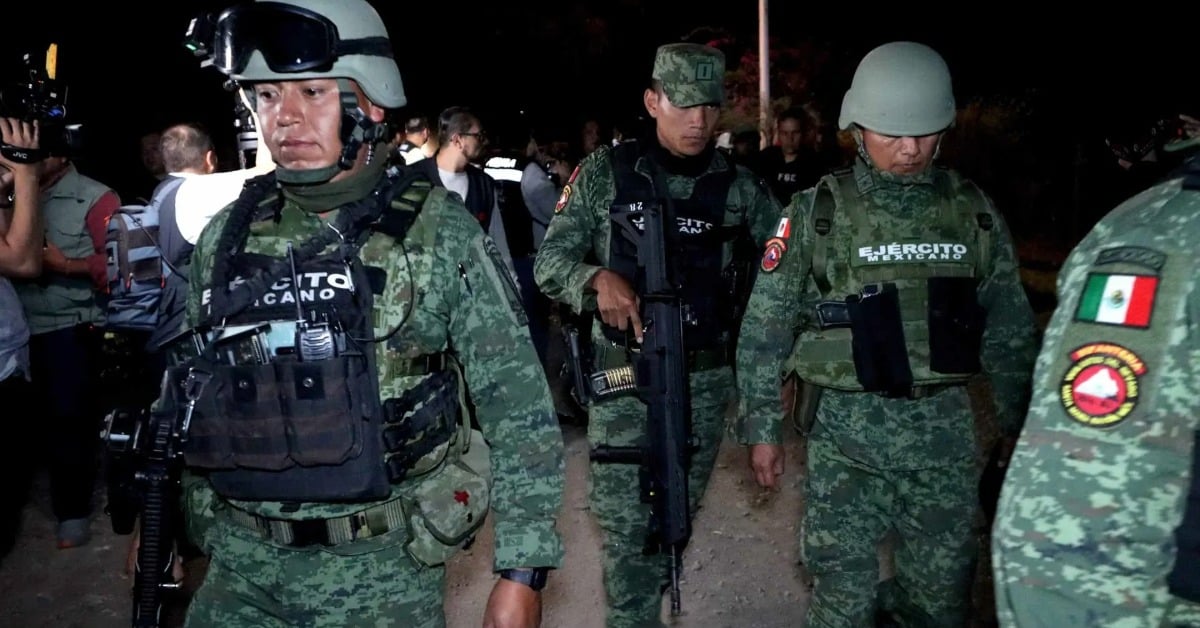
The National Guard and federal investigators have joined this effort. They target safe houses and communications hubs used by recruiters. Prosecutors report that operations have yielded arrests and seized materials. These materials detail recruitment schedules and training sites.
Authorities stress that community vigilance and cross-agency cooperation can halt this flow of young fighters. Families seeking missing loved ones are encouraged to contact the Jalisco Prosecutor’s Office’s Missing Persons Unit. Officials say more resources will be allocated to tracing online recruitment channels. They continue to urge anyone with information on training camps or missing youths to step forward without delay.