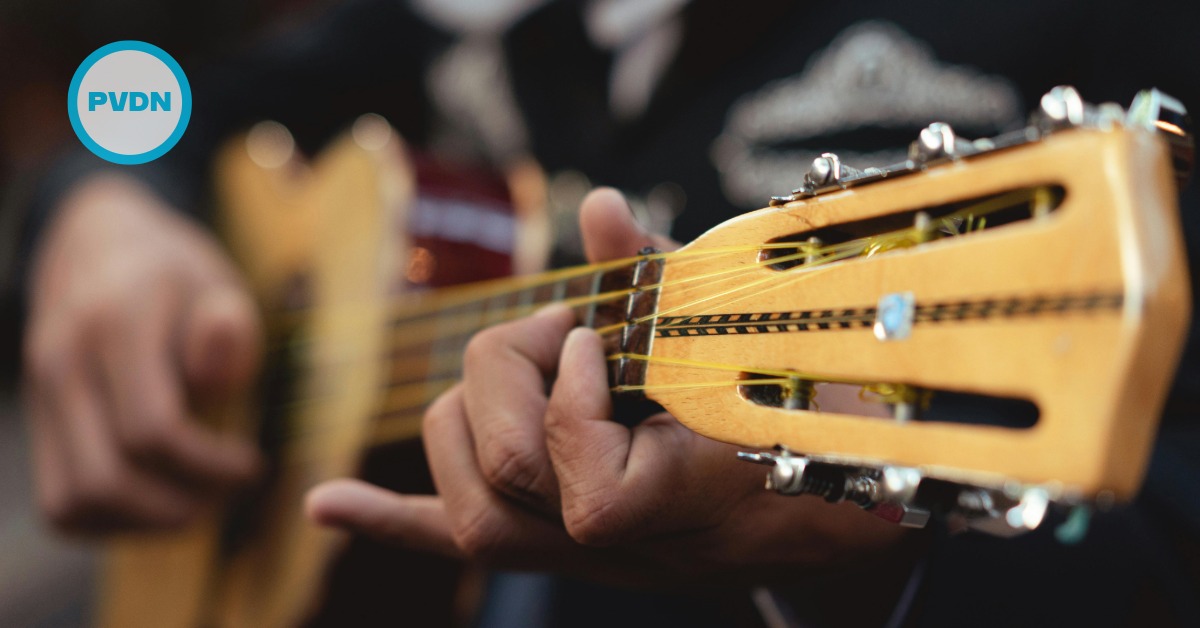
On January 21, Mexico pauses to listen to itself. Mariachi Day is an easy excuse to celebrate, but it also raises a harder question: why does this sound still hit so deep, even after it has traveled the world? The answer starts in rural Jalisco and moves through weddings, funerals, and neighborhood fiestas, where songs are learned, shared, and argued over like family stories. Along the way, UNESCO gave mariachi global recognition, yet the music stayed most alive in the places it was always meant to be: in community life.
Mariachi Day and the everyday soundtrack
Today, January 21, is Mariachi Day. In Mexico, that label fits because mariachi is not occasional music. It lives in the background of everyday life. Many expats learn this fast.
You hear a band warm up in a plaza, and you catch a trumpet line drifting from a birthday party. You watch strangers stop, smile, and sing one line together. That scene explains mariachi’s power better than any definition.
The genre carries emotion in plain language. It can flirt, mourn, tease, and console in the same night. It also carries memory. Songs move between generations with ease because people keep using them.
Mariachi Day is a reminder to listen closely. The music is doing cultural work while it entertains. It tells stories about love and pride, but also about land, family, faith, and heartbreak.
Those themes travel well, yet they still feel anchored in Mexico. For many newcomers, it becomes the sound of belonging.
From Western roots to a national emblem
Mariachi’s roots are usually traced to western Mexico, especially Jalisco and nearby states. Early ensembles were string groups built for community dances and local celebrations.
Violins carried melody. Guitars drove rhythm. The deep guitarrón later became the heartbeat. Over time, mariachi moved from ranches and small towns into cities. Radio and film helped, too. As audiences grew, the sound widened.
Trumpets joined the strings, becoming signature voices. So did the visual identity. The traje de charro, inspired by horsemen’s dress, turned musicians into instant symbols. That look can feel theatrical, but it also signals respect for tradition.
It is a uniform that says, this music belongs to the country’s public life. By the mid-20th century, mariachi had become a national soundtrack, played in formal venues and on street corners alike. It could represent the nation without the need for translation. In Guadalajara, its presence is constant, from markets to formal theaters.
Community life and the emotional job
Mariachi survives because it is useful in the most human sense. It shows up where people need a shared language. At weddings, the music lifts the room and gives shy guests permission to join in. At funerals, it offers dignity and release. For religious festivals, it can be both prayer and party.
Even the classic serenade is a social ritual. Someone arrives with musicians because words feel too small. Learning still happens in community spaces. Players pick up phrasing by listening, repeating, and being corrected in real time.
Formal schools exist, but the tradition also relies on families and working bands. The repertoire helps explain the staying power. It includes celebratory, romantic, and narrative songs that praise hometowns and everyday heroes. In many regions, songs also preserve older speech and indigenous languages.
That mix makes mariachi both familiar and local, even when the melody is known nationwide. It keeps regional identity audible.
What UNESCO recognition means
UNESCO’s 2011 decision to inscribe mariachi on its Intangible Cultural Heritage list mattered for a simple reason. It framed mariachi as knowledge rather than just performance. The recognition highlights transmission. Skills are passed from musician to musician through practice, observation, and mentorship. It also highlights context. Mariachi is tied to celebrations and ceremonies, not just concerts.
That distinction is important in an era when traditions can be flattened into decoration. Heritage status does not freeze the genre, and it cannot guarantee musicians good wages or fair treatment. But it strengthens the argument that the practice deserves care. It encourages documentation and teaching.
It can also help communities defend the spaces where mariachi thrives, like plazas and neighborhood venues. For listeners, the label is a prompt. This is not background noise. This is a living archive of Mexican identity, kept alive through regular use. It is also a reminder to pay attention to who gets to play.
A global sound that keeps evolving
Mariachi’s global reach is often explained through migration, but that is only part of the story. Mexican communities abroad kept the music close because it carried home in a portable form. Soon, other audiences joined in.
In the United States, mariachi became central to Mexican American life, with school programs and competitions that train the next generation. In Europe and Asia, the appeal is different. The music signals romance, drama, and celebration, even for people who do not speak Spanish. You can now find local mariachi groups in cities far from Mexico, playing classics with careful accent and pride. Global attention also changed what gets played.
International crowds often expect certain anthems and costume cues. Working bands adapt, then return to their own repertoire when the night is theirs. That flexibility is not a compromise. It is how living traditions survive travel without losing their roots. The sound stays Mexican, even in new hands.
Mariachi is also evolving inside Mexico. More women are leading bands and claiming space in a field once dominated by men. Young players are writing new arrangements that nod to older styles without copying them.
Some groups experiment with harmony and pacing, but the core stays recognizable. The vihuela still snaps like laughter. The guitarrón still lands like a heartbeat. Violins still stretch emotion into the air, and trumpets still announce the arrival of the chorus.
For expats, that continuity is part of the charm. You can hear the same song in two towns and feel two different meanings. One version sounds like a celebration. The other sounds like a farewell. Mariachi Day works best when it maintains that complexity.
It is not only an emblem that Mexico shows the world. It is a daily practice that Mexicans use to mark time, repair sadness, and turn ordinary nights into shared memories. When the last note fades, the community remains.