Mazatlán, tourism, cultural heritage, Museum City project, Historic Center, QR code, INAH, visitor experience
Discover how the Mazatlán Museum City project will transform the port’s Historic Center with QR‑coded plaques and a digital heritage tour that brings 19th‑ and 20th‑century landmarks to life.
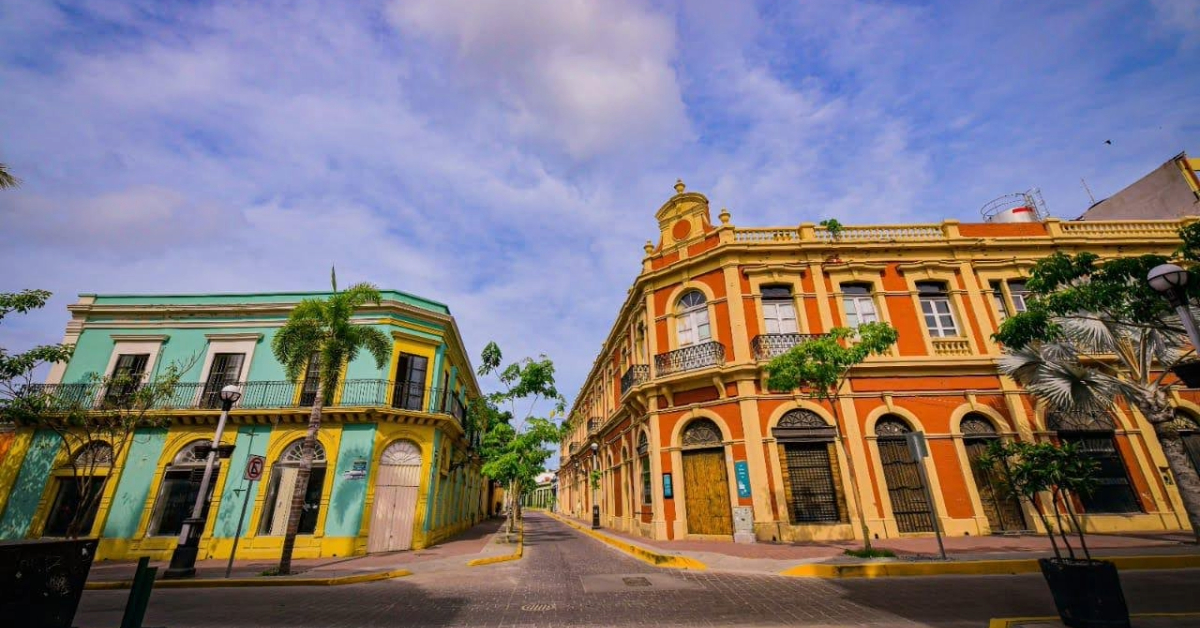
Mazatlán’s City Council has launched the Mazatlán Museum City project to showcase the port’s long‑standing heritage and offer visitors a richer cultural experience. Under Mayor Estrella Palacios Domínguez, the initiative will install a tourist circuit of historical monuments throughout the Historic Center, reinforcing the city’s identity as the only sun‑and‑beach destination in Mexico with a preserved colonial core.
At the heart of the project lies a network of informational plaques to be placed on 479 iconic buildings across 180 blocks. Each plaque will feature a QR code linked to a digital platform that delivers in‑depth content about the history, architecture and significance of each site. By scanning the codes, both residents and tourists will gain access to detailed narratives, archival images and audio guides accessible via smartphone.
“We’re collaborating closely with the National Institute of Anthropology and History (INAH) to ensure every plaque respects the architecture and protected status of these monuments,” said Mayor Palacios Domínguez. “INAH’s guidance and the support of the Historic Center’s Governing Council guarantee that the information we share is accurate and enriching.”
The digital platform will allow users to tailor their own walking tours, filtering stops by time period, architectural style or point of interest. This flexibility aims to engage a diverse audience—from school groups to international travelers—with interactive maps, multilingual descriptions and augmented‑reality overlays that superimpose historical photographs onto present‑day views.
City planners believe the Mazatlán Museum City project will strengthen local pride and spark economic growth. By encouraging visitors to explore beyond the beachfront, restaurants, shops and cultural venues in lesser‑known neighborhoods stand to benefit from increased foot traffic. Officials predict a 15‑percent rise in cultural tourism over the next two years, driven by guided tours and educational partnerships.
Since the Historic Center received federal protection on March 21, 2001, its 479 buildings have drawn interest from preservationists and architects. Yet until now, many of these landmarks remained hidden gems, known only to historians. Mayor Palacios Domínguez hopes the combination of physical plaques and a dynamic digital portal will bridge that gap.
“Tourists come for the sun and sand, but they stay for the stories,” she said. “This project brings our past into the present through simple tech that anyone can use.”
Work on the plaques and digital platform is slated to begin in September, pending final INAH approval. The first phase will cover the most visited zones: Plazuela Machado, Cerro del Vigía and Avenida del Mar. Subsequent phases will extend the circuit to residential blocks and historic plazas in the north and west of the district.
By integrating technology with heritage preservation, Mazatlán positions itself at the forefront of cultural tourism in Mexico. As other coastal cities compete for visitor dollars, the Mazatlán Museum City project offers a unique blend of sun, sand and centuries of history—one scan at a time.