Saturday’s confirmation of Puebla’s first measles case wasn’t just another line in a health bulletin. It was the final dot on the map: every Mexican state has now reported infections in an outbreak that started in 2025. For many residents, the real question isn’t “Is measles here?” but “Am I actually protected?” That can be surprisingly murky for expats who moved years ago, lost a vaccine card, or only received one childhood dose. Below are the practical steps that matter most right now—before the next exposure happens.
Puebla joins the outbreak map
Puebla has confirmed its first measles case: a 30-year-old woman who is reported to be stable and recovering at home under isolation. With that confirmation, health authorities now consider the outbreak nationwide in scope, with infections reported across all 32 states.
That matters because measles doesn’t need a long chain of close contacts to move. It spreads through the air when an infected person coughs, sneezes, or even breathes in shared indoor spaces, and the virus can linger for hours after a person leaves. In practical terms, once measles is “everywhere,” your risk depends less on geography and more on immunity.
Why measles feels like it travels fast
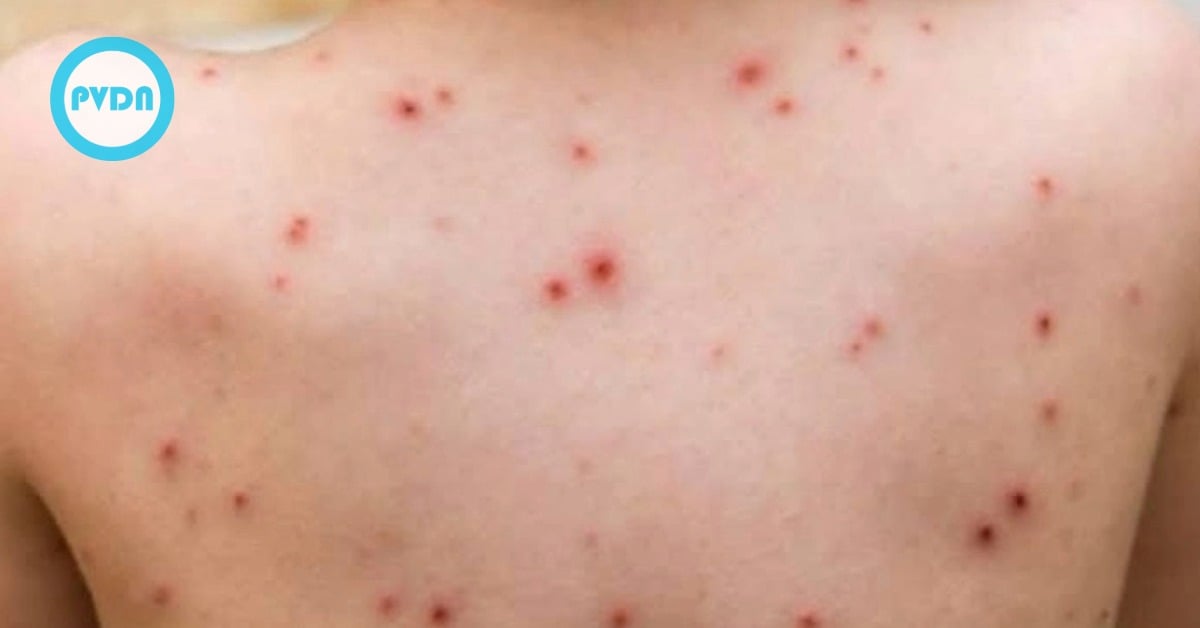
Measles is one of the most contagious viruses humans catch. People can spread it before they realize it’s measles, which is part of why outbreaks can jump from a single household to schools, offices, gyms, and flights so quickly. Classic symptoms often start like a stubborn cold: high fever, cough, runny nose, and irritated or red eyes. The rash typically appears later, often beginning on the face and then spreading downward.
Complications aren’t rare, especially for small children, pregnant people, and anyone with a weakened immune system. Pneumonia is one of the most common serious outcomes, and inflammation of the brain, while less common, is one of the most feared. The uncomfortable truth is that “it’s just a childhood illness” stops being reassuring the moment an adult who isn’t fully protected gets infected.
What to do now if you live in Mexico
If you do only one thing today, make it this: confirm whether you have two measles-containing vaccine doses on record, or another clear proof of immunity. For many expats, that means digging up old pediatric records, checking a national immunization registry back home, or asking a clinic to advise you based on your history. If you cannot document protection, the safest path is usually to get vaccinated rather than to guess.
In Mexico, measles protection is generally delivered through the combined measles-mumps-rubella vaccine, often referred to as triple viral (SRP). Routine childhood protection includes a first dose at 12 months and a second dose later, with timing that can vary by age cohort and campaign strategy. During outbreaks, health services may also give an extra early dose to babies between 6 and 11 months; it’s an “extra” dose meant to cover a dangerous gap, and it does not replace the routine doses that follow.
Adults can fall into the cracks more easily than they realize. Some countries used one-dose schedules decades ago, some people never got a second dose, and some records simply disappeared after a few international moves. Mexico’s public health messaging about the outbreak has emphasized catch-up vaccination for people who are not up to date on their vaccination schedule, including adolescents and adults in the broad working-age range. If you’re unsure, it’s worth having a clinic review your record and advise on a catch-up plan that makes sense for you.
There are two important exceptions to remember. First, the measles vaccine is a live vaccine, so it’s generally not given during pregnancy, and it may not be appropriate for people with certain immune conditions or treatments. Second, if you’ve been exposed and you’re not protected, timing matters. Post-exposure vaccination can sometimes prevent illness if given quickly, and other preventive options may exist for high-risk people, but you need medical guidance right away.
When to call a clinic and what to say
Call promptly if you think you were exposed to someone with measles, or if you develop fever with cough, runny nose, red eyes, and a spreading rash. If you suspect measles, avoid waiting rooms when possible and ask the clinic how they want you to arrive, because measles can spread in healthcare settings if precautions aren’t in place.
If you live with children, treat a fever-and-rash illness seriously, even if it feels like “just another virus going around school.” And if you’re an expat who travels frequently—or hosts visiting friends and relatives—this is a moment to be extra disciplined about immunity checks. A short visit from someone “who felt fine yesterday” can be enough to bring measles into a household where one person is unknowingly under-protected.