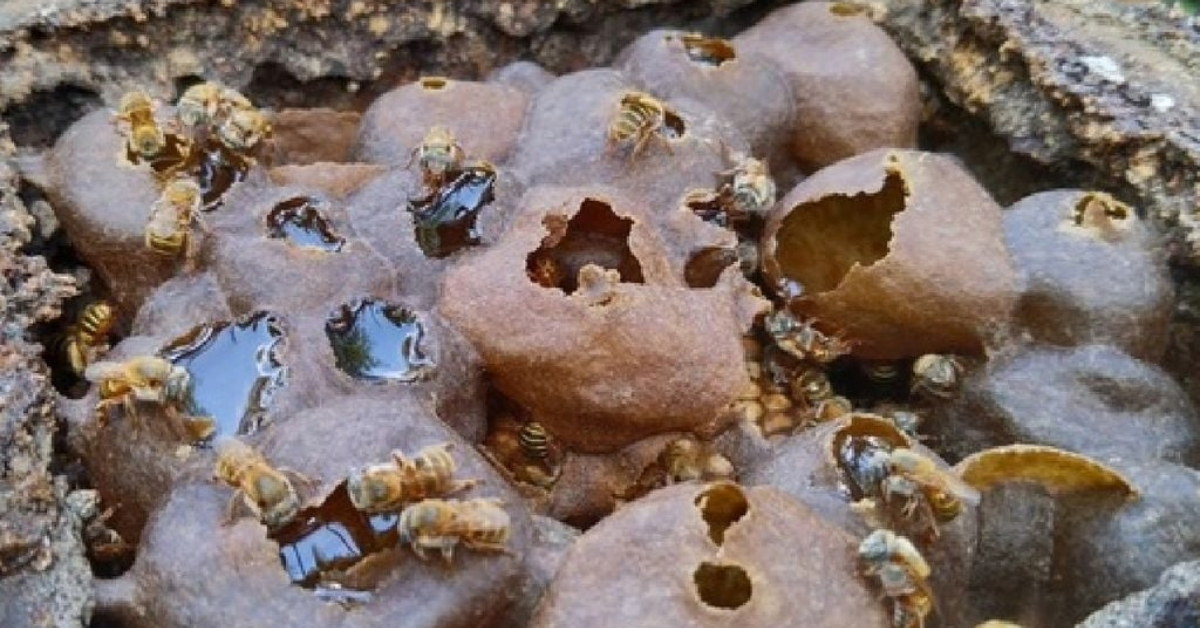
Valladolid News – Stingless bees shape ecosystems across the Americas. They sustain plant life in forests and fields. Mexico hosts approximately forty‑six stingless bee species. Nearly one third of these species live only in Mexico. Some key types include Scaptotrigona mexicana, Sacaptotrigona hellwegeri, and Melipona beecheii. These bees pollinate up to forty percent of local plants. They fertilize peppers, achiote, and many wild flowers. Their work keeps forests healthy and crops productive.
These stingless bees thrive in tropical forests and dry scrublands. They form colonies of hundreds of individuals. Unlike honey bees, they lack a stinger. Their nests often sit in tree cavities or rock crevices. Some even share homes with ants or termites. These unique traits make them vital to forest health. Researchers note that these bees help filter water and enrich soils. Their presence signals ecosystem resilience.
meliponiculture in Valladolid Sustains Mayan Culture
Valladolid sits at the heart of the Yucatán Peninsula. Locals call stingless bees “Xunan Kab,” or “lady bee.” Mayan codices recorded detailed meliponiculture methods. The Trocortesiano and Madrid codices show ancient hive designs. Mayan families passed this craft across generations. They used bee honey in rituals, medicine, and trade. This honey stays more acidic and fluid than common honey. It earned Valladolid its title as honey capital of the world in 2008. Today, at least eighty‑seven meliponiculture producers thrive in twenty‑four municipalities. Their efforts protect culture and native bees alike.
Mexico ranks among the top ten honey producers worldwide. The Yucatán Peninsula led national production in 2016. That year, farmers harvested over sixteen percent of Mexico’s honey there. Producers ship both meliponine and Apis mellifera honey abroad. Melipona beecheii honey fetches high prices in niche markets. It draws buyers seeking medicinal and artisanal products. This trade brings new income to rural communities. It also raises awareness of native bee conservation.
Challenges Facing Stingless Bees
Melipona species face steep decline across the Yucatán. Experts warn more than eighty percent of native species have disappeared there. Habitat loss and fragmentation drive this loss. Climate shifts disturb flowering cycles and hive health. Invasive vegetation alters local ecosystems. Widespread agrochemical use damages bee populations. Pollution from urban and agricultural sources adds stress. These threats reduce pollination services for peppers, achiote, and wild flora. If current trends continue, local biodiversity may suffer severe harm. Experts call for immediate action to curb these declines.
Urban growth has destroyed large tracts of forest. Farmers clear land for crops and cattle. This reduces native plant diversity. Monocultures lack the variety stingless bees need. Chemical pesticides drift into bee habitats. They poison larvae and adult bees. Rising temperatures and erratic rains stress hives. Storms can flood nests and wash away colonies. Without safe habitats, many colonies fail before spring.
Community Efforts and Heritage
Beekeepers and researchers unite to save native bees. Local groups teach meliponiculture techniques in workshops. They install hives in forests and urban parks. These projects improve hive survival and plant pollination. Schools hold field days to show children bee roles. Families share knowledge from ancient codices. They combine practices with modern science and testing. The Yucatán government funds restoration and education programs. European honey bees also thrive side by side. This balance supports export markets and Mayan traditions. Visitors to Valladolid can witness this living heritage firsthand.
Each spring, Valladolid hosts a honey festival. Locals and tourists taste stingless honey varieties. They learn about hive care from experts. Researchers study bee genetics and disease resistance. Nonprofits fund lab tests on honey purity. Digital tools now track hive health. Mobile apps warn beekeepers of local threats. This data guides conservation plans. It also charts pollen sources for future plantings.
Stingless bees link Yucatán’s past and future through meliponiculture. This mix of culture and ecology shapes local life and global honey markets. Protecting these bees secures biodiversity and heritage.
stingless bees, meliponiculture, Yucatán, Valladolid, biodiversity, Mayan heritage, pollinators