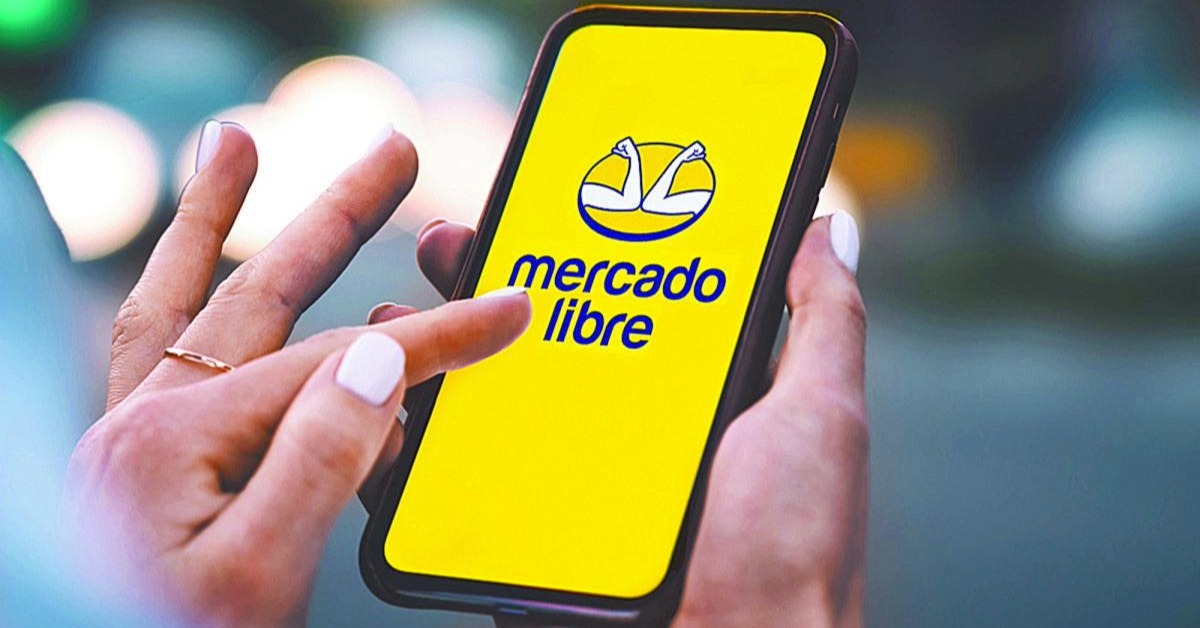
Mercado Libre is putting a record sum behind Mexico in 2026, and the plan is not limited to warehouses or faster deliveries. The company says the money will go into logistics, technology, financial services, and hiring, with thousands of new jobs tied to the expansion. The move also comes at a time when online shopping in Mexico is increasingly integrated into everyday commerce, while Mercado Pago tries to grow beyond checkout buttons and QR codes.
Mercado Libre raises its Mexico bet
Mercado Libre is making a bigger bet on Mexico in 2026.
The company will invest $4.6 billion in Mexico this year, a record plan focused on logistics, technology, financial services, and hiring. The 2026 figure is 35 percent higher than last year’s investment in Mexico.
The amount includes both capital spending and operating expenses. That is a key detail. It means the money covers warehouses, systems, hiring, brand work, and day-to-day expansion costs, not only construction or equipment.
The plan also includes 8,500 new jobs. Most will be tied to logistics, business, and corporate areas across Mercado Libre and Mercado Pago. By the end of the year, the company expects its workforce in Mexico to exceed 42,000.
David Geisen, director general of Mercado Libre Mexico and senior vice president of commerce for Hispanic markets, framed the plan as part of a larger digital push.
“More than a record figure, this reflects our bet on continuing to lead the transformation of Mexico’s digital ecosystem,” Geisen said in a company statement cited in the investment announcement. “We are strengthening our logistics infrastructure, the innovations and financial solutions we offer, which allow millions of Mexicans, entrepreneurs, and SMEs to grow, and guarantee our users the best experience.”
Jobs will follow the logistics buildout
The new investment follows a $3.4 billion plan for Mexico in 2025. At the time, Mercado Libre said it would add 10,000 workers, bringing its local workforce to about 35,000.
The 2026 plan is bigger in dollar terms, though the job target is lower. That points to a company spending heavily on capacity, automation, software, financial products, and network depth, not only payroll.
Mercado Libre said its accumulated investment in Mexico from 2020 through the 2026 plan will top $14 billion. The company also said Mexico is its second most important market in Latin America.
That ranking helps explain the size of the new commitment. Mexico gives Mercado Libre a large consumer market, dense urban delivery routes, and a fast-growing base of sellers. Many of those sellers now depend on marketplace sales and digital payments.
The company said 45 percent of small- and mid-sized companies that sell through its marketplace consider the platform their primary source of income.
More than 1 million small and mid-sized companies now use Mercado Libre or Mercado Pago tools, according to the company’s latest Mexico investment statement. For those sellers, the investment is tied to a familiar pressure. Online demand keeps rising. Delivery speed, payment options, and credit access can decide whether a small seller keeps a buyer or loses one.
Mexico’s online market keeps widening
Mexico’s broader online market continues to move in the same direction. The Mexican Online Sales Association’s 2026 study said e-commerce in Mexico reached 941 billion pesos and 77.2 million buyers. It also said 88.2 percent of internet users now buy online. Those numbers help explain why logistics and payment systems continue to draw large checks.
The investment also comes in the same broad technology lane as Mexico’s recent growth in hardware and digital supply chains, including the AI-linked manufacturing push covered in Mexico’s AI assembly boom ties Taiwan to U.S. demand.
More of Mexico’s next business cycle is being shaped by infrastructure customers rarely see. That includes warehouses, route software, checkout systems, and merchant credit.
Mercado Pago sits near the center
Mercado Pago is a central piece of the plan. Company investor materials describe the fintech arm as offering digital accounts, debit cards, online payments, insurance, savings, investments, and credit lines for individuals. For merchants, the platform offers online and in-person point-of-sale payments, as well as business accounts.
That gives Mercado Libre a deeper role in how small businesses receive money, manage sales, offer payments, and finance inventory. The company has been trying to turn Mercado Pago from a checkout tool into a broader financial platform. Mexico is one of the markets where that strategy is most visible.
MercadoLibre entered 2026 with strong regional momentum. In its first-quarter earnings release, the company reported $8.8 billion in net revenue and financial income, up 49 percent from a year earlier. It is its fastest revenue growth since the second quarter of 2022.