A power cut in Mérida is no longer just an inconvenience for small shops. For stores that sell cold meats, dairy, frozen foods, and other perishables, even a few hours without electricity can erase a day’s income. Business leaders say the problem is growing during the hottest months, as more homes, hotels, and businesses depend on cooling systems. The outages are also raising a larger question for Yucatán: can the local power system keep pace with heat, tourism, and rapid growth?
Mérida shops say outages are turning into business losses
Small retailers in Mérida say recent power outages are causing losses of frozen and perishable goods during one of the hottest parts of the year.
The complaints come from small stores that depend on refrigerators and freezers to keep products safe. Items such as cold meats, dairy, frozen foods, and other perishables can become unsellable after prolonged blackouts.
The Cámara Nacional de Comercio en Pequeño in Mérida said it has received reports from affiliated shops affected by recent electricity interruptions. The group said the problem has been felt mainly in parts of northern and southern Mérida, as well as some communities outside the city.
For a small store, a blackout can cause more than one loss at once. Sales stop when lights, card terminals, and refrigeration fail. Then, owners may have to write off inventory bought at tight margins.
The issue is becoming more visible as extreme heat drives more homes and businesses to use fans, refrigerators, and air conditioning simultaneously.
Heat is increasing pressure on Yucatán’s power demand
Yucatán entered early May under high temperatures, with national weather forecasts placing the state among areas expected to reach 40 to 45 degrees Celsius.
That type of heat changes daily electricity use. Homes cool rooms for longer periods. Restaurants and stores run refrigeration harder. Hotels, vacation rentals, and offices place more demand on the same local grid.
Business representatives in Mérida say the hardest moments often come during peak heat hours. That is when residents and businesses are using cooling equipment at the same time.
The problem does not only affect shops with large inventories. Small neighborhood stores often have fewer backup options. Many do not have generators, solar systems, or battery storage. When the power fails, they have little control over what happens next.
Some businesses also report concern over equipment damage. Refrigerators, freezers, and electronic systems can be affected when power cuts out and then returns suddenly.
A local problem with a larger backdrop
The outages in Mérida fit into a wider concern across the Yucatán Peninsula. The region has experienced repeated power outages during periods of high heat and heavy demand.
CENACE, Mexico’s national grid operator, has warned that electricity demand could reach high levels during the hottest months of 2026. National reports have pointed to summer demand that could reach about 54,000 megawatts, above the previous record.
The pressure is not only about generation. In the southeast, officials and energy analysts have repeatedly pointed to reliability, transmission, and local distribution as key challenges.
For Mérida, the issue is also tied to growth. The city has expanded quickly as more people move to Yucatán, tourism grows, and new housing and commercial projects are built.
That growth brings more air conditioners, refrigerators, water pumps, internet equipment, and other daily power needs. Under normal weather conditions, the system may handle that load. During heat waves, the extra demand becomes harder to absorb.
Why small retailers are hit first
A blackout can be expensive for any business. For small retailers, it can be immediate.
A larger supermarket may have backup generators, insurance coverage, and established loss-control systems. A small shop may have only one or two freezers and a limited daily cash flow.
If the freezer fails, the loss is personal. The owner may lose goods already paid for. They may also lose customer trust if products are unavailable or safety becomes a concern.
The timing makes the situation harder. Hot weather usually increases demand for cold drinks, frozen foods, dairy, and other refrigerated items. Those are the same products most exposed when electricity fails.
This creates a difficult cycle. The hotter it gets, the more customers want cold products. The same heat raises the risk of outages that can destroy those products.
Reporting problems and waiting for a longer fix
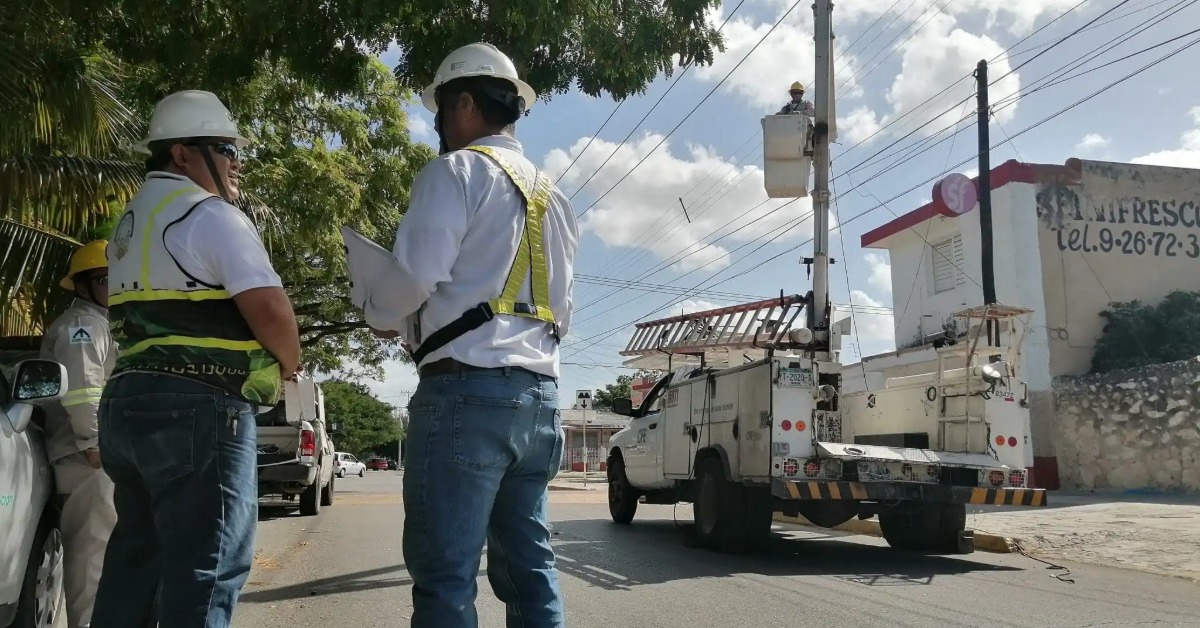
Local authorities have pointed residents and businesses to reporting channels for electricity failures. The CFE line remains 071, while Yucatán’s Energy Agency has also made the number 999 343 1443 available to help channel reports and coordinate follow-up.
For business owners, reporting the outage is only the first step. The larger concern is whether the electrical system can be strengthened before the hottest weeks arrive.
Business groups have called for more maintenance, new equipment, and better response times. They also point to larger infrastructure projects as part of the long-term answer.
New-generation and grid improvements may help, but they do not address an immediate shop-level loss. For now, many small retailers are left trying to protect inventory during heat waves they cannot control.
What residents and business owners may notice next
For people living in Mérida, the issue may show up in simple ways. A neighborhood shop may close for a few hours. A freezer case may be empty. A card terminal may stop working. Some stores may avoid stocking certain perishables during unstable periods.
For foreign residents, the story is also a reminder that Mérida’s cost of living and quality of life are tied to basic infrastructure. Electricity demand is no longer just a background issue. It affects food safety, business costs, comfort, and daily routines.
The immediate story is about spoiled goods in small shops. The larger question is whether Mérida’s power system can keep pace with a hotter climate and a growing city.