A rescue in Mérida exposed more than one neglected property. It showed how quickly animal abandonment can become a public issue involving health, welfare, and enforcement. Authorities say 40 animals were removed from a site with no food, water, or supervision. What happens next will matter just as much as the rescue itself, especially in a city that has been trying to build a stronger system for reporting abuse, treating rescued animals, and moving them into safer conditions.
What happened in Mérida
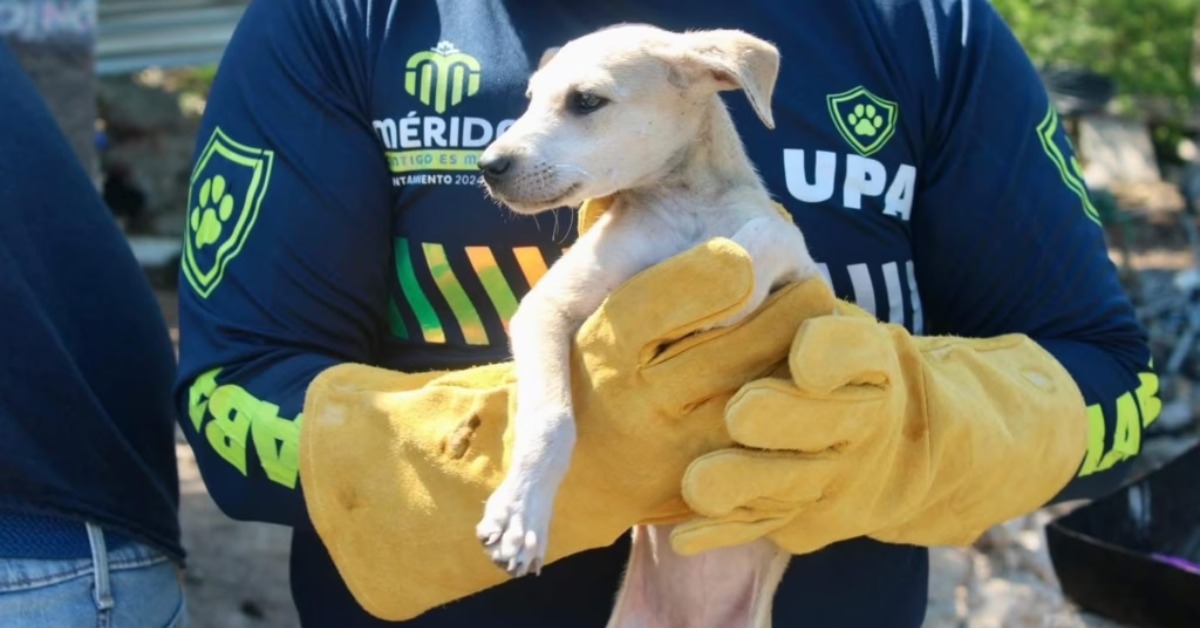
Mérida authorities rescued 40 animals from an abandoned property after following up on an earlier citizen report. Officials said the animals had been left without food, water, or supervision. The rescue included 13 dogs, six cats, 19 birds, one opossum, and one mouse. All were transferred for medical care, food, and basic attention while the case remains under review.
The scale of the rescue stands out, but so does the mix of species. This was not only a case involving household pets. It also involved birds and wildlife, which can require different handling, observation, and placement. For readers outside Mexico, that distinction matters. A rescue like this does not end when animals are removed from a property. It usually begins a second phase that includes veterinary checks, species-specific care, and decisions about whether each animal can be adopted, rehabilitated, or placed elsewhere.
Why the case matters beyond one property
Cases like this draw attention because they sit at the intersection of animal welfare, public health, and local enforcement. Neglect can spread disease, create unsafe conditions for neighbors, and overload already limited municipal services. In that sense, this rescue is not only about one address in Mérida. It reflects a broader challenge many Mexican cities face: pets and other animals are left in unsafe conditions until a complaint is filed.
The case also arrives as Mérida has been trying to strengthen its animal-care system. Earlier this year, local reporting described a municipal effort to move vulnerable animals from rescue conditions into safer environments and adoption pathways. Separate municipal information published in January said the city’s animal center completed 198 adoptions in 2025. That does not solve the abandonment problem, but it shows the city is trying to build a pipeline that goes beyond emergency response and toward longer-term care.
How animal welfare cases are handled
For international readers, one useful piece of context is that Mérida has a formal reporting system for animal abuse and neglect. The city also operates a municipal animal-care facility that provides shelter, treatment, and adoptions for certain rescued animals. In practice, that means citizen complaints can trigger inspections or interventions, while dogs and cats that are removed from danger may enter a municipal care process before any adoption decision is made.
At the state level, Yucatán also has legal rules that address animal cruelty and abandonment. That matters because a rescue operation is only one part of enforcement. Authorities still have to determine responsibility, assess property conditions, and decide whether the case remains in the administrative sphere or moves toward stronger sanctions. In stories like this one, the rescue is the visible part. The less visible part is whether the follow-up produces accountability.
What happens next for the animals
The next stage will likely depend on each animal’s condition. Dogs and cats may move through treatment, stabilization, and possible rehoming if they are healthy enough and legally cleared. Birds may require different housing and evaluation. The opossum may need a separate wildlife assessment, depending on its health and whether release is possible. That means the number 40 is only the starting point. Each animal now enters a different path.
For Mérida, the broader test is whether follow-up matches the urgency of the rescue. Authorities have already removed the animals from immediate danger. The remaining question is whether the case leads to lasting outcomes, both for the animals that survived it and for the system meant to prevent another property from reaching the same point. That is why this story matters beyond a single rescue. It examines whether local institutions can translate emergency action into durable protection.