Puerto Vallarta has approved a project that could reshape how the city handles stray animals, adoptions, and public veterinary care. The plan would split key functions now crowded into one aging facility, while also addressing disease control and shelter capacity. For many international readers, that wider role matters. In Jalisco, municipal animal centers are not only about picking up animals. They also sit inside the public health system, which makes funding, phasing, and follow-through the real story to watch next.
Puerto Vallarta moves from diagnosis to action
Puerto Vallarta City Council has approved a project to rehabilitate the Animal Control Center and build a separate Municipal Adoption Center and Shelter. The vote follows earlier committee work this month and months of debate about the city’s current facility. It marks a move from diagnosis to implementation.
That shift matters because one municipal center has been carrying too many roles at once. It has handled intake, medical care, temporary shelter, adoptions, and public complaints under growing pressure. In practice, that makes the story about more than rescued dogs and cats. It is also about public health, city services, and whether Puerto Vallarta can modernize a basic municipal function.
Why the current center became a city issue
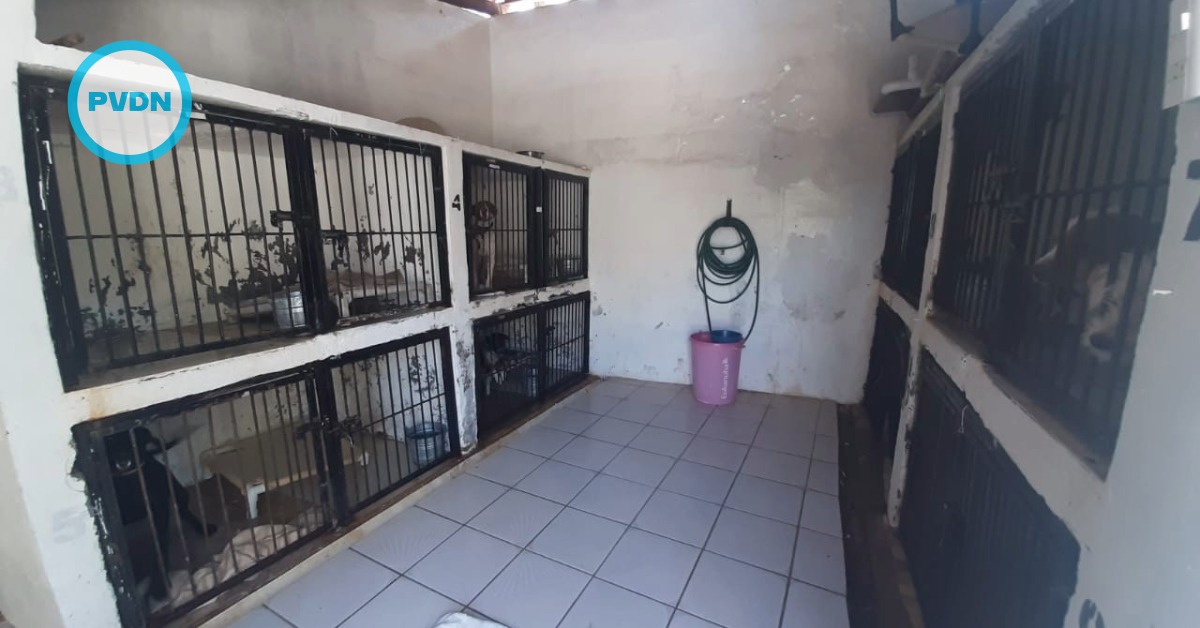
The case for intervention was laid out months before this week’s approval. A formal initiative introduced in October 2025 described the existing center as visibly deteriorated and operating beyond healthy limits. It said the building had structural damage, lacked suitable space, and no longer met minimum standards for safety, cleanliness, and humane care.
The same initiative estimated that between 80 and 100 animals were being housed in a center better suited to about 55. It also allowed for a small emergency reserve. That gap helps explain why the city moved away from piecemeal fixes. Officials treated the problem as structural, operational, and sanitary simultaneously.
The document also pointed to specific operational failures. The quarantine area was described as unusable for its intended purpose. The veterinary clinic was said to be in advanced deterioration. Officials also said it lacked proper storage, specialized equipment, and enough space for effective treatment.
What the new system is supposed to change
The project is broader than a simple remodel. It calls for structural repairs, interior reconfiguration, and the rebuilding of unusable areas. It also creates a separate municipal shelter focused on temporary care, rehabilitation, sterilization, and adoption. Plans also include veterinary treatment areas, quarantine space, controlled recreation areas, and modules for public attention.
The most important change may be the split between the two facilities. Under the proposal, the renewed Animal Control Center would focus on medical care, prevention of zoonotic risks, and official reports or complaints. The new Adoption Center and Shelter would house healthy animals ready to move toward adoption.
That distinction matters for readers outside Mexico. In Jalisco, municipal animal centers are not only about picking up stray animals. They also support vaccination, sterilization, low-cost veterinary care, quarantine, and other public health functions. In Puerto Vallarta, the current strain on one site has made those jobs harder to separate and manage well.
A separate shelter could ease one of the system’s biggest weaknesses. Sick, injured, newly rescued, and adoptable animals now move through the same stressed environment. That can raise sanitary risks and slow turnover. A dedicated adoption shelter could reduce those risks and improve each animal’s chances of reaching a home.
Why this matters beyond animal rescue
This is why the story reaches beyond animal rescue. Puerto Vallarta depends heavily on its image as a livable, orderly, and modern city. That image is shaped by how public institutions handle visible problems. Street animal populations, abandonment, complaints of mistreatment, and access to basic veterinary care all affect that picture.
There is also a practical public health argument. A functioning municipal animal center supports quarantine protocols, vaccination work, sterilization efforts, and response to community reports. Those services matter in any city. They matter even more in one with dense neighborhoods, steady tourism, and a large population of companion animals.
The approval also fits into a broader municipal shift. Over the past year, Puerto Vallarta has advanced an online adoption portal and updated local rules tied to animal welfare enforcement and the role of the municipal center. Seen together, those steps suggest the city wants a more organized welfare and adoption model.
The harder part starts now
The harder part starts now. Approval does not mean the full project will appear overnight. Reporting this month indicates the work will move in phases. The first stage is expected to focus on the current center. Later stages would prepare the site and move toward construction of the new shelter.
Officials have also said that animals may need to be temporarily relocated during parts of the work. That makes execution as important as the vote itself. City departments still need to move the project through public works channels, assign sufficient funds, and publish a workable schedule.
A commission report from March 19 said the project should move forward with a formal timeline that reflects both budget capacity and urgency. That is the next benchmark to watch. The political green light is now in place. The real test will be whether City Hall can match approval with money, sequencing, and follow-through.
If the project advances as described, Puerto Vallarta could build a more coherent system for rescue, treatment, quarantine, and adoption. That would improve conditions for animals and for the city. If funding stalls or the phasing breaks down, the current center may remain stuck in the cycle that pushed this issue onto the municipal agenda.
With information from Gobierno de Puerto Vallarta, Congreso del Estado de Jalisco
Deep Dive:
Puerto Vallarta animal shelter lacks space and basic care
Puerto Vallarta animal shelter upgrade pitched to city council
Vallarta Animal Adoption Website Approved by City Council