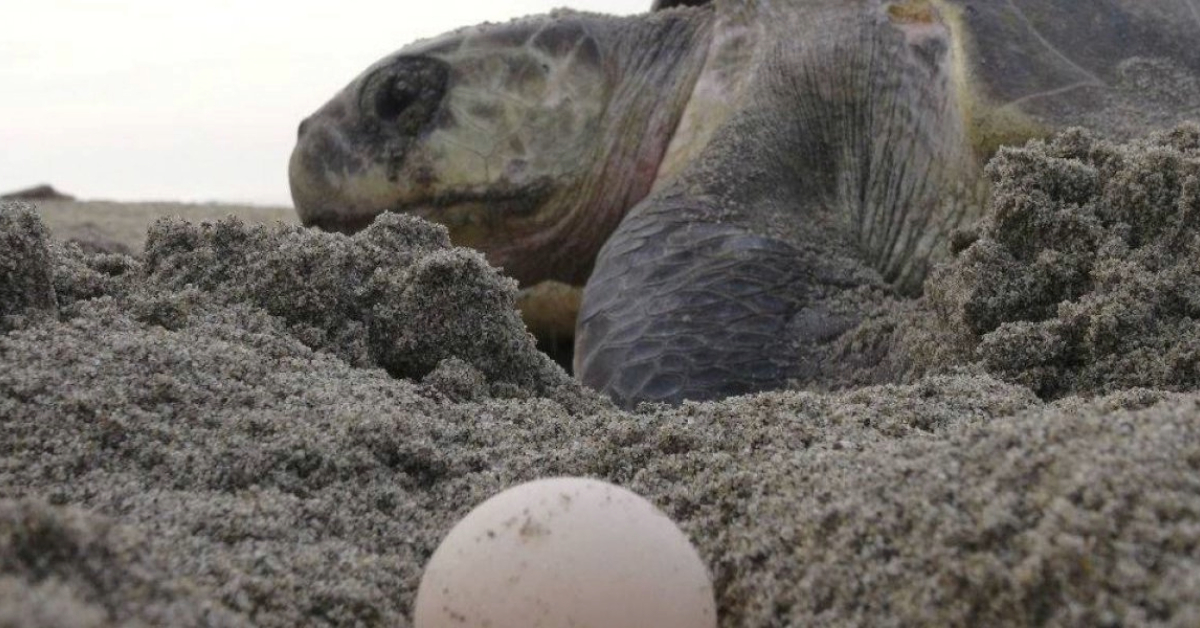
Sea turtle nesting season has started on the Yucatán coast, and conservation groups are asking residents, visitors, and beach businesses to adjust their routines before nesting activity builds. The message is simple, but the stakes are high. Once the first females begin arriving onshore, even ordinary beach activity can disrupt nesting, damage nests, or disorient hatchlings.
The warning comes as conservation teams begin their annual protection cycle along the state’s coastline. Officials and volunteer groups are already preparing beaches, monitoring nesting zones, and responding to public reports. The campaign is not only about protecting turtles in general. It is about reducing the daily pressures that increase when holiday travel and warmer beach weather overlap with the start of the season.
For international readers, this may be one of those conservation stories that feels distant until it becomes personal. Many activities that seem harmless on a beach at night can harm nesting turtles. Bright lights, beach furniture, off-road vehicles, loose pets, and crowding near a turtle onshore all add stress to an already vulnerable process. Conservation groups are asking people to think less like spectators and more like temporary stewards of the coastline.
Why beach behavior matters so much
A sea turtle that comes ashore to nest is following a behavior shaped over generations. That process depends on darkness, clear access to the beach, and as little disturbance as possible. When beaches stay brightly lit, females may avoid nesting areas altogether. If hatchlings emerge under artificial light, they can move in the wrong direction instead of heading toward the sea.
That is why reducing nighttime lighting is one of the most frequently repeated warnings at the start of the season. The same applies to obstacles left on the sand. Lounge chairs, umbrellas, tables, and other beach items may look minor during the day, but they can block or alter a turtle’s route at night. Vehicles create another problem. They can compact sand, damage nests, leave deep tracks, and increase the risk of direct harm to animals moving across the beach.
Conservation groups are also urging people to keep pets leashed and to keep them away from turtles and nesting areas. Dogs, in particular, can disturb nesting females, damage nests, or prey on hatchlings. Garbage is another persistent threat. Litter affects beach quality, attracts scavengers, and adds to the broader pressure on coastal ecosystems. The advice being shared in Yucatán is not new, but it remains necessary because the same avoidable problems return each year.
The public is also being told not to touch or surround turtles found on the beach. A turtle onshore does not need a crowd, a phone flash, or someone trying to “help” by moving it. The recommended response is to keep a distance and report the sighting rather than interfere. That approach matters because trained personnel can determine whether the turtle is nesting, stranded, injured, or in another situation that requires a specific response.
A bigger conservation effort is already underway
This year’s public appeal is backed by a wider protection effort on the Yucatán coast. State authorities say the 2026 season is being covered by a coordinated network of 12 camps operating across 279 kilometers of coastline. That matters because turtle conservation is not handled by a single office or one short campaign. It depends on long stretches of beach being watched consistently over several months.
Officials have also framed this season as part of a greater environmental effort, not an isolated wildlife story. The species that reach Yucatán’s shores include hawksbill and green turtles, with occasional records of loggerhead and leatherback turtles. These are not casual visitors to the coast. They are protected species whose nesting grounds are affected by tourism, coastal development, lighting, beach traffic, and low public awareness.
The scale of last season helps explain the urgency. Yucatán officials reported more than 11,000 nests, around 1.2 million eggs, and more than 724,000 hatchlings released during the 2025 season. Those numbers show the coastline remains an important nesting area. They also show why small changes in public behavior can matter. When thousands of nests are spread across multiple municipalities, consistent public cooperation becomes part of the conservation system.
There is also a practical message here for tourists. Not every wildlife experience should become an attraction. State authorities said this year’s camps are committed to avoiding public hatchling releases and to following federal rules more closely. That decision reflects a broader shift toward protection over spectacle. For travelers, it is a reminder that responsible tourism sometimes means seeing less, standing farther back, and leaving fewer traces.
What this means for readers living near the coast
For foreigners living in Mexico, this story is not only about wildlife policy. It is also about everyday choices in places where people walk dogs, rent beachfront homes, stay in hotels, or spend evenings near the water. A porch light facing the beach, a nighttime ATV ride, or beach furniture left out after sunset may seem routine. During nesting season, those choices can become part of the problem.
The most useful takeaway is that sea turtle protection is not limited to environmental agencies. It extends to residents, hotel operators, short-term rental guests, and anyone using the coast after dark. In Yucatán, conservation groups are asking for basic restraint, not major sacrifice. Keep beaches darker. Keep them cleaner. Keep pets controlled. Keep vehicles off the sand. And when a turtle appears, let trained people handle the moment.
That advice may sound modest, but it reflects how conservation often works in real life. Big outcomes are shaped by repeated small decisions. As nesting season gets underway, Yucatán’s message is clear. The coast can remain open, active, and welcoming, but only if people treat it as habitat first and recreation space second.