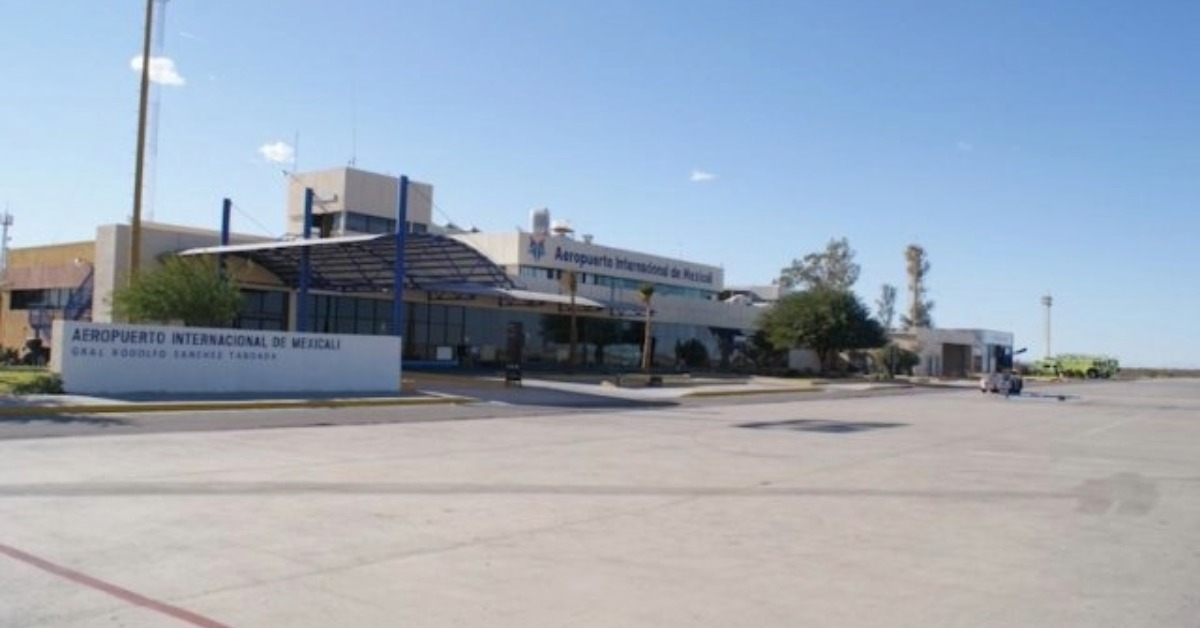
Mexicali, BC – Mexicali’s airport is quietly clawing its way back. In the first half of 2025, the General Rodolfo Sánchez Taboada International Airport handled more than 600,000 passengers, marking roughly a 16% rebound from the same period in 2024 when just over 500,000 travelers passed through the terminal. The rebound reflects a combination of restored flight operations and airline route reactivations after the downturn the airport suffered the previous year.
The recovery is especially visible in monthly comparisons. June 2025 saw nearly 98,000 passengers arrive—about a 19% increase from nearly 82,000 in June 2024. That jump underscores an upward trajectory that airport officials and regional tourism stakeholders are watching closely.
The wider backdrop helps explain why the 2025 figures feel like a reset. Mexicali Airport had endured a sharp decline in 2024, dropping roughly 35% in total annual passenger traffic, making the growth this year a partial reversal of that slump.
Reinstated flights and revived routes are central to the momentum. Since late 2024 and through 2025, services that had been suspended temporarily due to aircraft inspections have returned, bringing back capacity and schedule stability. On top of that, several key routes that were dormant or reduced have been reactivated, widening options for travelers and feeding the passenger rebound.
Airport’s busiest connections remain domestic hubs
Mexico City continues to lead in demand, even as frequencies on that route have been trimmed compared to past peaks. Guadalajara, Monterrey, Hermosillo, León, Los Cabos, and Los Mochis round out the core network feeding Mexicali, keeping the city linked to major economic and leisure centers across Mexico.
Notably, routes that had faded or been idle are coming back. Culiacán—once the airport’s third-busiest destination—was reactivated this year, restoring a vital link for both business and leisure travelers in the northwest. The Cancún route has returned with a tweak: the service now includes an express stopover in Monterrey, expanding its utility while stitching together regional flows.
Further boosting expectations, the Morelia route has just been announced as reactivated, adding another interior-Mexico connection and feeding regional travel demand. Airport officials have signaled that more route relaunches and increased frequencies to existing destinations are on the calendar in the coming months, which would sustain the recovery if realized.
The confluence of reactivated services, cautious frequency adjustments, and a clearer operational environment is helping shift the airport’s narrative from contraction to rebuilding. Local businesses, tourism promoters, and regional planners are watching passenger trends closely, since the airport serves the transborder Calexico-Mexicali region, which relies on air connectivity for commerce, health access, and cross-border mobility.
Still, challenges remain
While current growth is promising, restoring pre-2024 volumes will depend on maintaining reliability, sustaining and expanding route offerings, and competing for passengers in a regional landscape where other airports also vie for the same traffic. Airlines’ decisions on capacity, the broader macroeconomic environment, and traveler confidence will all factor into whether the current trend consolidates into a full recovery.
For now, the picture is one of cautious optimism. Mexicali Airport passenger recovery 2025 is not yet complete, but the combination of route reactivations like Culiacán, Cancún (with its new stopover), and Morelia—alongside restored flights after inspections—gives the region a measurable lift and a clearer runway for further growth.
Mexicali Airport, passenger recovery 2025, Baja California travel, regional aviation, route reactivation, air traffic growth