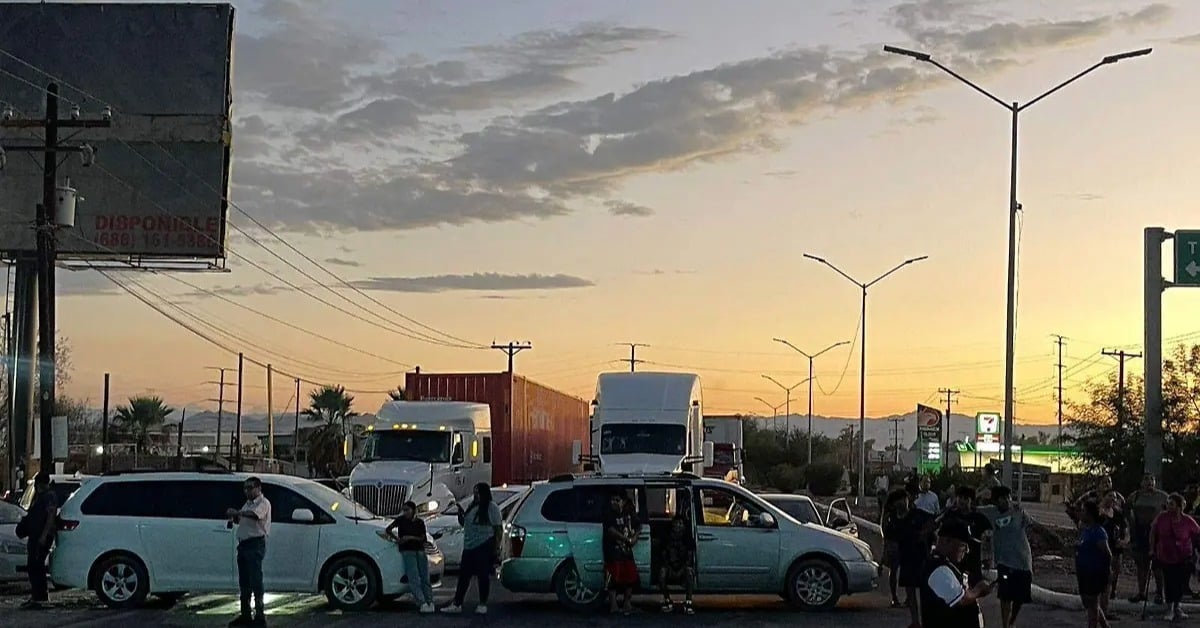
For three sweltering days, parts of western Mexicali went dark. Refrigerators warmed. Families slept outside to catch any breeze. On Tuesday night, neighbors took the only step they felt would force a response: Mexicali neighbors shut the highway linking Mexicali and Tijuana. They say CFE told them restoration could still take days, even as temperatures pushed dangerous highs. Officials cite storm damage and a city groaning under an extreme heat season. What happened on the ground—and why this neighborhood felt it had no other option—tells a larger story about heat, infrastructure, and trust.
Mexicali neighbors shut highway
Residents of Casa Digna and nearby streets shut down lanes leading to the Ahumadita area on Tuesday night, demanding power restoration after a weekend outage. They described food losses and sleepless nights due to homes overheating, and said CFE warned that repairs could take at least two more days. Neighbors staged the blockade near the Progreso industrial park on the city’s west side, slowing traffic and drawing a larger crowd as the evening went on.
Heat and outages stretch families
Parents said small children showed signs of dehydration. Others decided to sleep outdoors because bedrooms were unlivable without fans or air conditioning. The outage began Sunday afternoon and persisted through Tuesday night in pockets of Casa Digna, Fraccionamiento Jazmines, and Ampliación Centinela, according to residents on the scene and reporters who visited. Their immediate demand was simple: get the lights and cold air back before the next blazing afternoon.
Storm damage set the stage
City officials reported widespread damage from intense winds and lightning earlier in the week, including more than a hundred downed utility poles and damaged transformers across Mexicali. That storm activity left work crews leapfrogging through neighborhoods to replace damaged infrastructure. The backlog explains why some homes regained power quickly while others waited for days. It also meant restoration crews had to juggle safety, live circuits, and rough access while the heat continued.
A blackout in a record heat season
The timing worsened the impact. Mexicali has endured an exceptional heatwave this summer, with multiple new temperature records set in August and forecast highs commonly in the mid-40s Celsius. Local authorities have kept hydration points open and urged residents to avoid peak sun hours. In that context, hours without electricity aren’t an inconvenience; for many—especially children and older adults—they’re a health risk. Families here framed the blockade not as provocation, but as a means of survival in a city that routinely pushes the human body to its limits.
What officials say and what residents see
The city attributes the damage to storm damage and system strain. CFE has highlighted ongoing grid investments and the complexity of restoring service after severe weather. On the ground, neighbors say they felt ignored and uninformed. They wanted clear restoration timelines and on-site presence before another dangerous night. As the evening wore on, more people walked up, some carrying empty coolers they hoped to refill with ice once stores reopened with power.
By late night, the blockade was still in place as more residents arrived. Police monitored traffic while work crews continued repairs elsewhere. The test now is whether communication and pace of restoration can catch up before the next heat spike. For Casa Digna and its neighbors, the measure of success isn’t rhetoric; it’s a humming refrigerator, a fan that never clicks off, and a child who sleeps through the night.