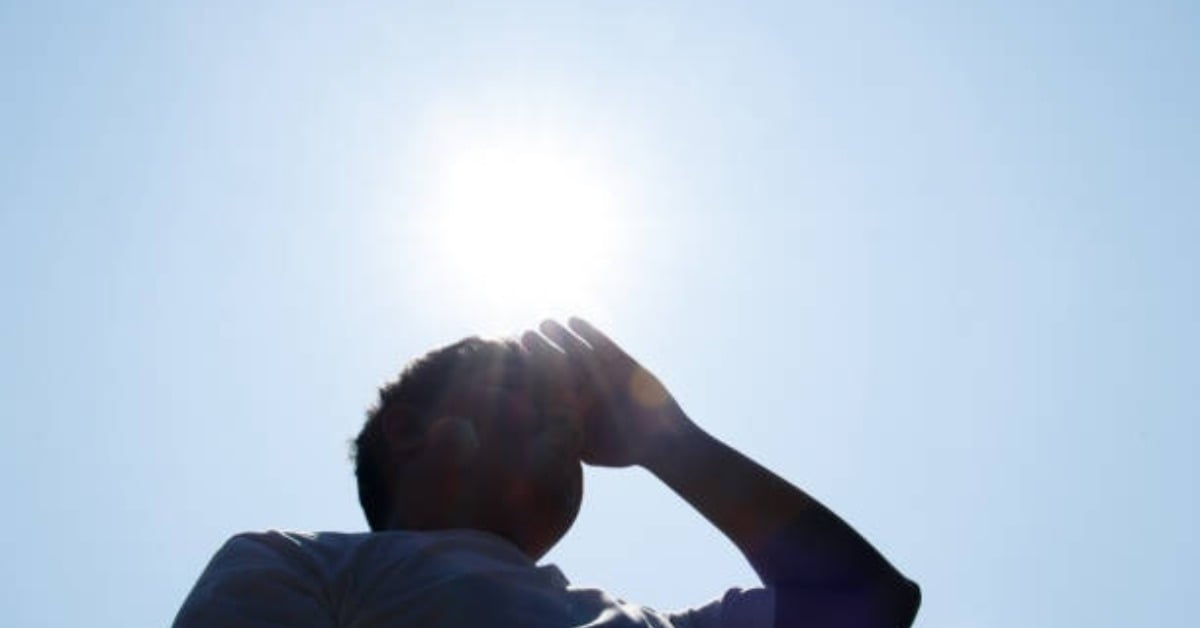
Mexicali, Baja California – In one blistering day, Red Cross crews in Mexicali responded to 54 heat-related emergencies. Paramedics said most calls involved dehydration and heat exhaustion—cases that build quietly, then break fast when the body can’t shed heat any longer. They asked residents to avoid direct exposure during the hottest hours and to watch older adults and outdoor workers closely.
The tally is a stark snapshot of summer on the capital’s streets: heavy air, long shifts for responders, and people pushing through errands until dizziness or cramps force a 911 call. Medics describe a pattern that repeats as temperatures peak. Symptoms creep in—thirst that won’t quit, pounding headache, sudden weakness—then the day tips from uncomfortable to dangerous.
Mexicali Red Cross attends 54 heat-related cases
Most patients do not think they are in trouble until they can’t stand without help. That is how dehydration hides in plain sight. Heat exhaustion arrives the same way—nausea, clammy skin, a racing pulse—and, if ignored, can slide toward heat stroke. Paramedics said the best defense is simple: step out of the sun, cool the body, and drink fluids before thirst becomes the only plan left.
Crews urged people to time their day around the sun. Midday is when calls spike and when short walks feel longer than they are. The advice is practical, not moral: shift outdoor work to early morning or evening, check on neighbors who live alone, and keep an eye on kids and pets who can’t gauge risk. When in doubt, sit, shade, sip, and call for help if symptoms don’t ease.
A day that stretches responders thin
Fifty-four calls don’t arrive in a neat line. They cluster when the sun is highest and ripple across the city—bus stops, job sites, parking lots outside big-box stores. Teams triage on the move, deciding who needs a quick cool-down and who needs transport. They carry ice packs and saline, but the real relief is fewer calls in the hottest window. That only happens when people plan around the heat instead of toughing it out.
Paramedics said patterns are predictable: workers without shade, older adults on diuretics, street vendors on long shifts, drivers with broken air conditioning. After a string of these cases, the message narrows to the obvious and the urgent. Don’t test the sun at noon. Don’t wait until thirst feels like sand. Don’t leave anyone alone in a parked car—ever. Each rule is a line between a bad day and an ambulance ride.
What the numbers don’t show
The day’s total captures only the emergencies that reached a phone. It doesn’t count the close calls people treat at home with a fan and a glass of water, or the workers who push through symptoms because a shift won’t cover itself. That is why medics keep repeating the simple steps that turn the tide early: shade, fluids, rest, and help when self-care isn’t working.
The Red Cross says the goal is fewer urgent rides and more uneventful afternoons. That means changing habits for a season, not a day. The sun will keep its schedule. So should the rest of us—especially now, while crews catch their breath between calls.