money laundering, CNBV, FinCEN, FEND Off Fentanyl Act, Intercam, CIBanco, Vector Casa de Bolsa, cartel finances, U.S.–Mexico cooperation
Mexican banks face 185 million peso fines after CNBV sanctions and FinCEN designation under the FEND Off Fentanyl Act for alleged money laundering—discover what comes next.
CNBV fines Mexican banks for money laundering
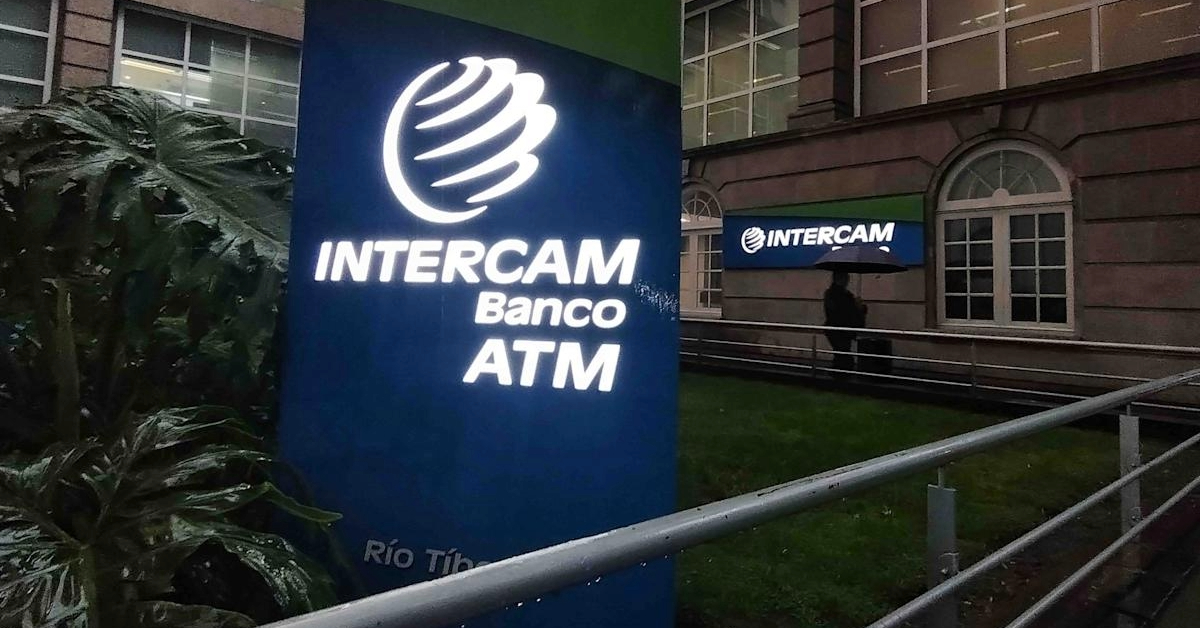
This Tuesday, Mexico’s National Banking and Securities Commission (CNBV) imposed a combined 185.2 million pesos in sanctions on three institutions flagged weeks earlier by the U.S. Treasury for alleged money laundering. Intercam led the tally with 26 fines totalling over 92,148,000 pesos, followed by CIBanco’s 20 fines for 66,614,000 pesos, and Vector Casa de Bolsa’s six fines adding up to 26,460,000 pesos. None of the affected firms has yet issued a formal response.
FinCEN designation under FEND Off Fentanyl Act
On Wednesday, FinCEN used its new powers under the bipartisan FEND Off Fentanyl Act to label Intercam, CIBanco, and Vector as primary money laundering concerns tied to the opioid trade. Once this order is published in the Federal Register, U.S. banks must halt transfers to or from these entities—including convertible virtual currency transactions—after a 21‑day compliance window. Treasury Secretary Scott Bessent warned, “These institutions are enabling the poisoning of countless Americans by moving money on behalf of cartels.”
Banks and brokers as cartel collaborators
Collectively managing over $22 billion in assets, the firms stand accused of acting as financial conduits for major cartels:
- CIBanco (over $7 billion in assets) allegedly helped launder $10 million in 2023 and processed more than $2.1 million in precursor chemical transactions from 2021–2024.
- Intercam (approx. $4 billion) reportedly facilitated $1.5 million in illicit China‑linked transfers between 2021 and 2024, allegedly involving CJNG operatives.
- Vector Casa de Bolsa (nearly $11 billion) is cited for laundering $2 million from 2013–2021 and handling over $1 million in precursor payments through 2023.
FinCEN’s report portrays patterns that go beyond oversight lapses, accusing all three of knowingly aiding cartel front companies.
Impact on U.S.–Mexico financial cooperation
The designations underscore deepening U.S.–Mexico collaboration on anti‑narcotics enforcement. Information sharing already underpins joint investigations. But the looming U.S. restrictions threaten to sever key banking channels. Any American bank violating the ban could face penalties up to loss of U.S. banking privileges. Domestically, this will reignite scrutiny over compliance standards at lightly regulated Mexican firms.
A broader strategy against cartel finances
These actions mark the first enforcement under the FEND Off Fentanyl Act, part of a larger push to disrupt cartel revenue streams. They echo calls—led by former President Trump—to classify cartels as foreign terrorist organizations, though the current administration has not pursued that path. Instead, officials are layering administrative and diplomatic measures to choke off illicit funding.
What happens next for flagged banks
With the 21‑day countdown underway, the three institutions face urgent pressure to contest or remediate. Mexican regulators are expected to issue guidance and may impose parallel sanctions. Market confidence could erode, prompting investors to demand stronger compliance frameworks across the sector. Meanwhile, FinCEN’s warning extends to all financial institutions: any link to cartel operations will prompt swift action.
By naming money laundering concerns and imposing hefty fines, regulators on both sides of the border aim to make clear that financing illicit trafficking bears steep costs. The coming weeks will reveal whether the sanctioned banks can mitigate fallout or become cautionary tales in the fight against cartel money laundering.