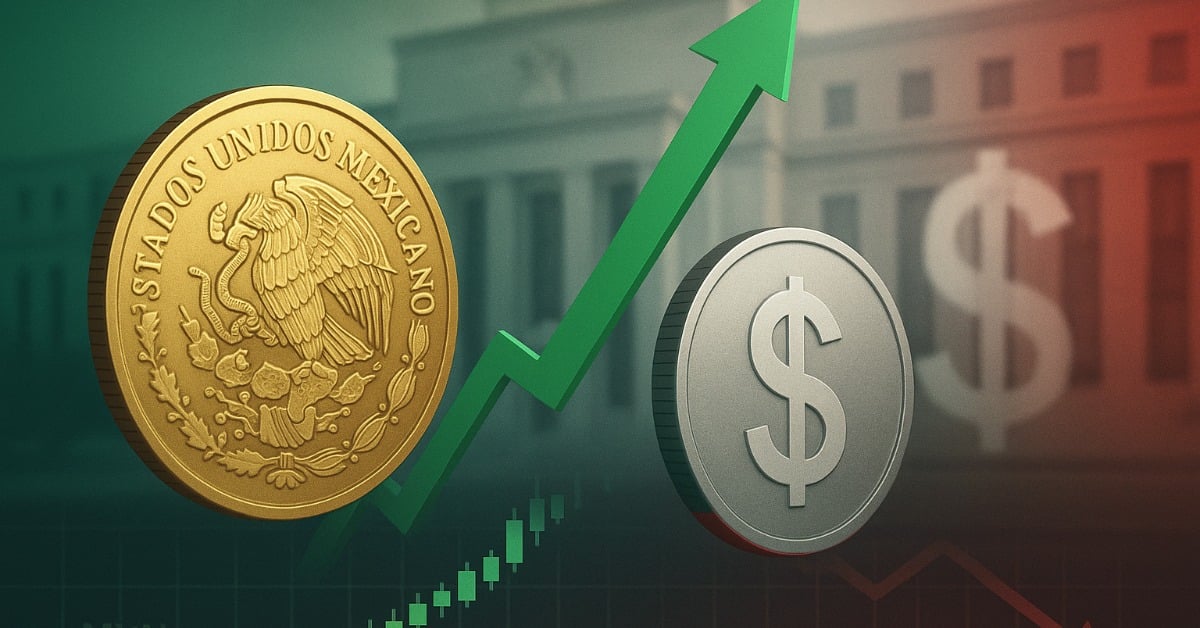
Mexico’s peso just pushed into territory it hasn’t held since mid-2024, ending the day at 17.58 per U.S. dollar. That headline number matters, but the real question is why it happened on a day when the world’s deepest market was largely on pause. With New York closed for the Martin Luther King Jr. holiday, liquidity thinned, and price moves can look cleaner than they really are. Here’s what likely drove the shift—and what it means for expats paying rent, bills, or flights in pesos.
A close that turns heads
The peso finished the session at 17.58 per dollar, a level it hasn’t managed to hold at the close since June 2024. Moves like this tend to grab attention because they signal more than a good hour or two of trading; a strong close suggests follow-through, even if the day’s conditions were unusually quiet.
For everyday life in Mexico, the psychological effect is real. When the peso strengthens, imported goods and dollar-priced services typically face less upward pressure, while anything tied to the U.S. dollar—from some online subscriptions to certain travel costs—can feel a little less punishing.
Why it happened on a quiet global day
A major part of Monday’s story is what wasn’t happening. With U.S. financial markets closed for the Martin Luther King Jr. holiday, trading volumes were thinner than normal. In low-liquidity conditions, exchange rates can drift into technically important zones and stay there simply because fewer participants are around to push back.
That said, the peso didn’t move in a vacuum. Investors are walking into a week heavy on economic signals, and traders tend to position ahead of those releases. Add in the usual mix of global headlines that can jolt risk appetite, and you get a market that is willing to reward higher-yielding currencies like the peso—especially when price action is relatively unchallenged.
What a stronger peso means for expats in Mexico
If you earn in dollars and spend in pesos, a stronger peso is the moment you notice at the exchange counter. Each dollar buys fewer pesos, which can quietly raise your monthly cost of living even if local prices don’t move. Rent, restaurants, ride-shares, and weekend trips don’t change overnight, but your conversion does.
If you earn in pesos or keep savings in pesos, the feeling can be the opposite. A firmer peso can soften the bite of dollar-linked expenses—U.S. travel, imported electronics, or services billed in dollars. It can also ease inflation anxiety at the margins, since Mexico imports a meaningful share of what households and businesses consume.
The catch is timing. Retail exchange rates often lag the headline market close, and banks build in a spread that matters more than most people expect. A “17.58 close” can still translate into meaningfully different buy and sell prices in real life.
What to watch next
The next test is whether the peso can hold these levels once full U.S. liquidity returns and the week’s data hits the tape. Thin-holiday moves can fade fast when normal volume comes back, and traders decide whether the new level is justified—or just convenient.
For expats, the practical move is simple: if you have a predictable monthly need for pesos, watch whether the market stays in this range for more than a day or two. A single strong close is a headline. A sustained band is a budget factor.