Puerto Vallarta, Mexico – The Mexican peso weakened on Thursday, reversing early gains, after U.S. President Donald Trump reiterated that proposed tariffs against Mexico and Canada would go into effect on March 4, despite his own momentary confusion about the date.
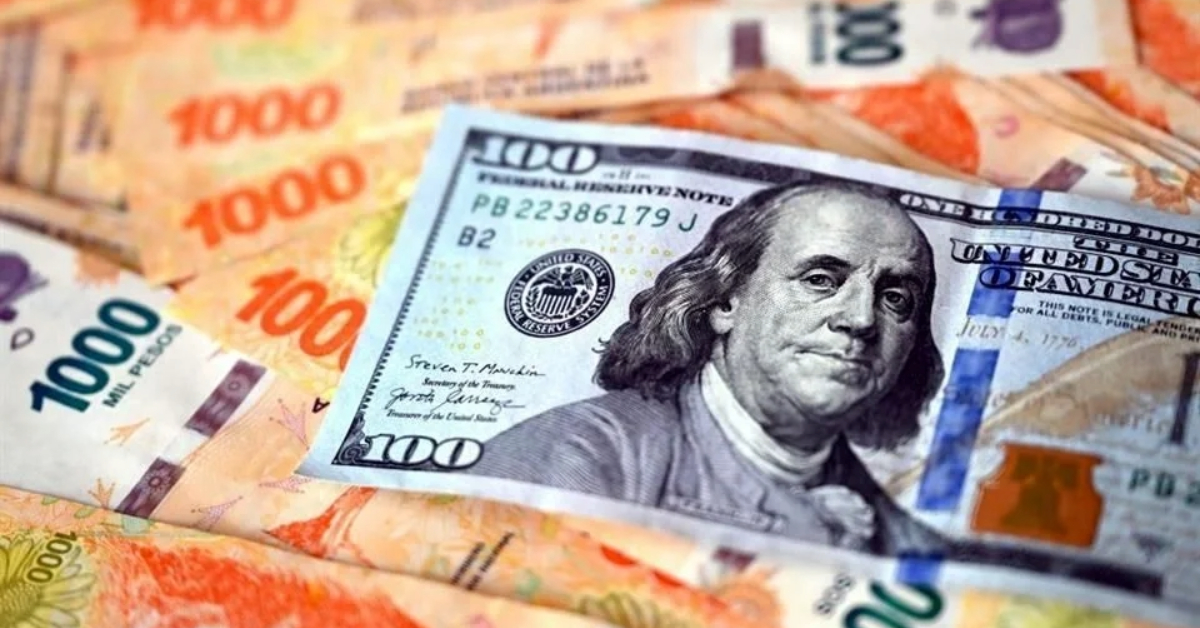
The peso opened the day at around 20.39 pesos per U.S. dollar in international markets—a slight appreciation of 0.12% (or 2 cents) from Wednesday’s close, according to Bloomberg data. However, the currency began to slide soon after Trump’s latest announcement confirmed that March 4 remains the date to watch, around $20.51 at the time of this article.
A Day of Mixed Signals
On Wednesday, Trump was asked specifically when the tariffs on Mexico and Canada would begin. His response—“April 2”—contradicted his prior statements, which insisted that the tariffs, initially slated for March 4, would not be postponed again. Trump’s Secretary of Commerce, Howard Lutnick, stood by but reportedly did not correct the president’s off-the-cuff remark.
By Thursday, the president reversed himself yet again, reaffirming in a statement posted online that the tariffs “will go into effect as scheduled” on March 4. He added that an additional 10% tariff on Chinese goods would also begin that day, while “the reciprocal tariff date of April 2nd will remain in full force and effect.”
Such contradictions have become more common in Trump’s tariff policy announcements, fueling uncertainty in the markets. Analysts note that each time the president has shifted the timeline—often after talks with Mexican President Claudia Sheinbaum and Canadian Prime Minister Justin Trudeau—currencies and equities have reacted accordingly.
A History of Shifting Deadlines
Trump initially threatened 25% tariffs on “all Mexican products” during his election campaign, which he promised to enforce on his first day in office if Mexico and Canada did not meet certain conditions related to fentanyl trafficking and immigration. While none of these threats materialized on January 20, they morphed into a rolling series of deadlines:
- February 1 – The White House denied reports of a delay, insisting tariffs would begin then. They did not.
- February 4 – Trump signed an executive order for a new February 4 start. Markets wobbled, but that date came and went without tariffs.
- March 4 – After a brief postponement in exchange for minor concessions, Trump insisted this would be the hard date.
Trump’s Wednesday remarks about an April 2 date caused the Mexican peso and the Canadian dollar to strengthen briefly, amid market hopes that tariffs might be delayed yet again. But his Thursday statement reinforced the March 4 date, sending the peso back down.
Chinese Tariffs in the Crosshairs
On the campaign trail, Trump had vowed to impose 60% tariffs on all Chinese imports. After winning office, his approach to China took a similar path to that with Mexico and Canada: promises of higher duties, followed by partial postponements and exemptions.
Trump did implement a 10% tariff on Chinese products, but U.S. Customs reportedly struggled with enforcement. Most shipments under $800—common for fast-fashion platforms like Temu and Shein—were temporarily exempted. On Thursday, Trump declared that another 10% tariff on Chinese goods would begin March 4, sparking fresh questions about whether these measures will actually take effect.
Market Reaction and Outlook
Economists and market analysts caution that each new tariff threat and accompanying confusion can rattle investor confidence, regardless of whether the tariffs are ultimately enforced. For Mexico, the currency is likely to remain under pressure until a definitive decision emerges.
“If we have learned one thing over the past months, it’s that nothing is final until the day comes—and sometimes not even then,” said one Mexico City-based analyst. “The constant back-and-forth makes it challenging for businesses to plan ahead.”
For now, the only certainty is more uncertainty. Trump’s track record of shifting deadlines and contradictory statements means financial markets, global trading partners, and domestic industries must brace for ongoing volatility. All eyes will be on March 4—and, potentially, April 2—to see if this latest declaration finally holds firm.