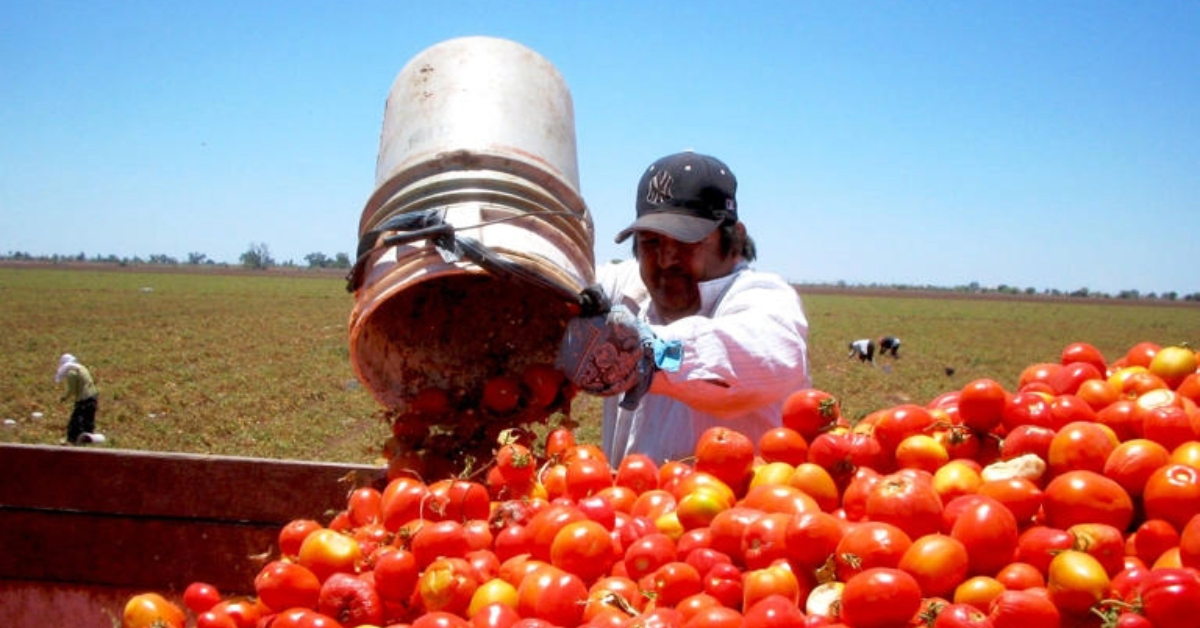
The new Mexican tomato tariff of 17.09% risks higher prices and shortages in the US market as producers from Sonora, Sinaloa and Baja California vow to keep exports flowing.
Producers in Sonora, Sinaloa and Baja California are set on keeping Mexican tomatoes flowing north, even after the United States slapped a 17.09% tariff on fresh imports. In a joint statement, five leading tomato groups in Northwest Mexico noted that more than 90% of the tomatoes consumed in the US come from Mexico, and they will keep working to meet demand while protecting quality.
The tariff follows the abrupt end of the Fresh Tomato Suspension Agreement, which was in effect from 1996 until the US Department of Commerce terminated it in early July 2025. That deal let Mexican growers ship tomatoes tariff-free under certain conditions. Its sudden end means exporters now face extra costs that could top hundreds of millions of dollars this year, yet leaders say they’re prepared to absorb much of the hit to avoid passing it on to buyers.
US consumers demand roughly 6.5 billion pounds of fresh tomatoes each year. Mexico supplies about 4.3 billion pounds—two‑thirds of that total. No other country comes close: all other tomato-exporting nations together cover less than 9% of US needs. Growers warn that any slowdown in Mexican shipments could drive up prices and pinch supply, putting extra strain on distributors and supermarket shelves.
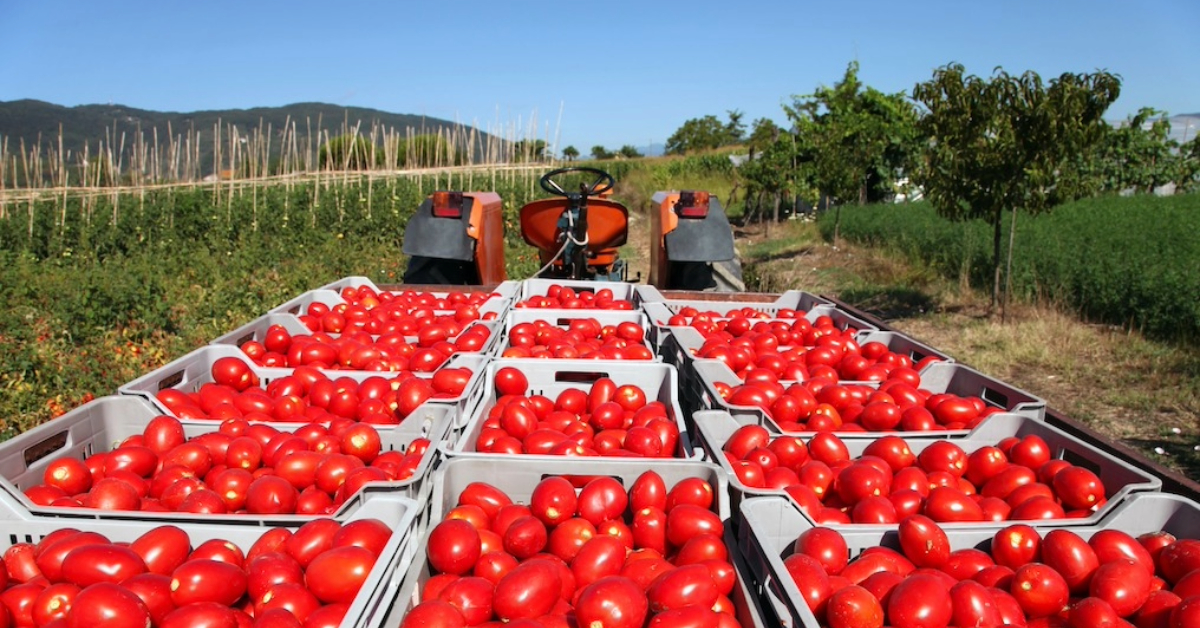
How the Mexican tomato tariff affects exports
Growers in Sonora say they have updated packing lines and logistics to keep costs in check. In Sinaloa, farming co‑ops are finding fresh efficiencies in greenhouses and transport. Baja California producers have begun testing thinner yet protective packaging. These moves aim to limit delays at US ports and avoid further fees. The groups stress they must stick to delivery schedules to keep buyer trust and prevent competitors from gaining ground.
In their joint statement, the five organizations highlighted strict quality checks. They track ripeness, test acidity levels and monitor water use at every stage. They said these standards have helped US buyers rely on Mexican tomatoes for decades. By keeping up those benchmarks under higher tariffs, producers hope to prove they remain the best source for consistent taste and freshness.
The groups also urged US officials and importers to consider the wider impact: if prices jump too fast, shoppers might switch to cheaper imports or cut back on purchases, shrinking the overall market. With no other supplier ready to fill a sudden gap, logistics firms and retailers could face stockouts, ripple effects in supply chains and lost revenue during peak seasons.
While talks on a new trade framework have yet to start, growers say they’re keeping dialogue open with US agencies. They plan meetings in Washington in the coming weeks to stress the link between stable trade and affordable produce. For now, they’ll keep their trucks loaded and head north, hopeful that quality and consistency will keep American tables—and stores—stocked.