As prices and hidden costs rise, beach housing in Mexico is shifting from an easy-bargain story to a hard-math problem for foreign buyers and local families.
The couple at the open house in Puerto Vallarta has heard the story a hundred times. Sell the family home, buy a modern condo near the malecón, and spend the rest of your life walking to the beach with a coffee in hand. The agent points at the pool and the rooftop bar. What he does not rush to mention is the HOA meeting where owners are arguing about a new storm repair bill.
The dream of easy beachfront life has not vanished, but the math has changed. In town after town, from Los Cabos to Cancún, buyers are running into the same wall. List prices climbed faster than most people’s savings, and the “cheap Mexico” pitch now clashes with mortgage tables, soaring fees, and aging buildings that need serious work. Locals feel the pressure first. Foreign buyers often do not see it until they start adding up the bills.
At a national level, the market still looks healthy. Mexico’s mortgage-backed home prices continue to rise, though closer to a long-term pace than the wild swings of the pandemic years, according to the country’s national housing index. That headline, however, hides significant gaps between inland cities and the coasts. It also hides the difference between modest family homes and high-end beach towers aimed almost entirely at foreign money.
On the coasts, you can already see the strain. Puerto Vallarta has logged some of the strongest beach sales in the country, as our earlier reporting on Mexico’s beachfront slowdown showed. Yet that success comes with a warning label. Prices on or near the sand pushed many would-be buyers to the sidelines, even as developers kept announcing new phases and new towers with glossy renderings.
Another of your Puerto Vallarta reports described how the city led national beach sales in early 2025 while also “ending the Mexican dream” for many expats. That mix of bragging rights and burnout sums up what is happening in other hubs, too. People still want the view and the winter weather. Fewer can comfortably afford the whole package once the dust settles on closing costs, taxes, and the first year of ownership.
All of this leaves the coast in an awkward middle ground. It is not a crash. It is not a simple boom either. It is a market where some sellers quietly drop prices, some buyers wait, and more people start asking whether they have been sold a story that no longer matches reality.
Mexico Beach Housing Now
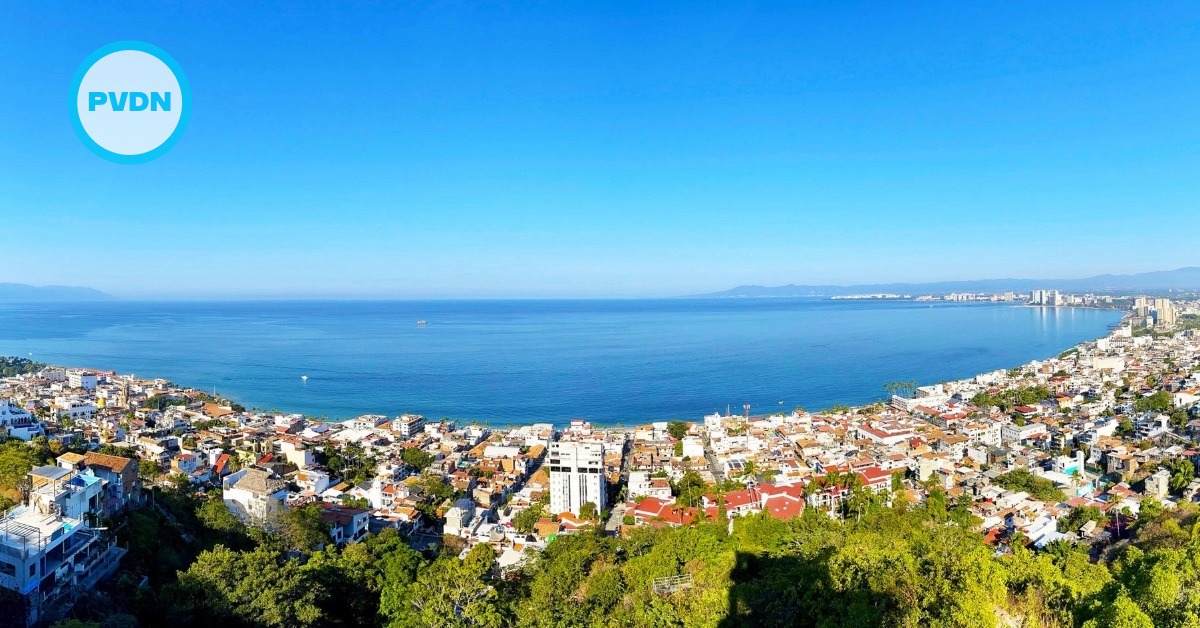
The first thing you notice on the Pacific side is how many cranes and for-sale signs sit just off the most famous views. In central Puerto Vallarta and across Bahía de Banderas, condos with rooftop pools still move, especially if they are walkable to restaurants and the malecón. Yet agents talk more often about price cuts, longer days on market, and buyers who fly down, run the numbers, and then decide to stay renters a bit longer.
Further from the center, a second pattern appears. Neighborhoods that once felt comfortably local now carry price tags aimed at foreign incomes. People who grew up in those streets talk about friends moving to the edges of town, or even out to smaller communities along the highway. The geography of who gets the sea breeze has started to stretch and warp as people chase whatever remains within reach.
In Los Cabos, several brokerages now describe a clear shift toward a buyer’s market. One 2025 report from local agents noted that price reductions in the area jumped compared with the previous year, as sellers tried to meet the market amid high inventory and rising costs, as documented in their Los Cabos residential market report. Luxury listings still sell, but they do not vanish overnight. Buyers expect concessions, and some projects take longer to fill than their marketing promised.
Across the Riviera Maya, the picture is just as mixed. Cancún and Playa del Carmen still attract heavy developer interest and strong rental demand, but the party is not endless. In Tulum, recent vacation rental data shows a growing number of listings chasing softer occupancy and slightly lower nightly rates, a sign of a market under pressure that local media such as the Tulum Times have already flagged. It is not hard to imagine the same pattern playing out in newer “next Tulum” hotspots if everyone builds at once.
Behind the purchase price, hidden costs keep stacking up. HOA dues that once felt manageable have crept upward as buildings age, utilities rise, and security contracts expand. Special assessments land after big storms, when roofs and façades need more work than the reserve fund can cover. In hurricane-exposed zones, insurance premiums add another layer, and some owners discover late that their policies carve out flood or wind damage.
Currency and inflation move the goalposts as well. A stronger peso and local inflation on food, services, and labor can punch holes in spreadsheets that looked fine two or three years ago. People who counted on their home-country pensions to stretch forever on the beach now feel more like they are running to stand still. The story of a “cheap” life hides how fast costs change once a town becomes a global brand.
At some point, every serious buyer in this landscape reaches the same question. If the market is not crashing, but it is not the easy win they were promised, who can still buy without wrecking their finances or deepening the pressure on the people who already live there?
Who Wins And Who Gets Pushed Out
The people who still hold most of the power in this market tend to arrive with plenty of room in their budgets. Cash buyers from North America and Europe, high-earning remote workers, and investors looking for a second or third property all have more flexibility than a retired teacher trying to downsize into the sun. They can wait for the right unit, negotiate harder, or walk away and fly somewhere else if the deal feels off.
Many of those buyers are already adjusting their strategies. Instead of paying record prices right on the water, some now look for “second line” or hillside properties where the view is partial but the carrying costs are easier to handle. Others focus on smaller units in well-run buildings rather than bigger condos in projects that look impressive at first but carry significant maintenance risks. In a cooling market, patience and good advice matter more than ever.
For local families and workers, the picture is harsher. In almost every tourist hub, hotel staff, waiters, cleaners, and teachers describe being pushed further from their jobs as rents and sale prices surge in central areas. People who once lived a short walk from the beach now commute from the outskirts or from neighboring towns. Their buses and collectivos cross the same bridges as airport shuttles, but the lives on each side of the glass look very different.
The result is a kind of quiet segregation by income. Beachfront and “prime” neighborhoods are increasingly reserved for those who can pay in dollars or high professional salaries. Service workers and younger locals, even when they have stable jobs, get whatever is left after investors and expats make their picks. That shift is not just a housing story. It affects traffic, school access, time with family, and how safe people feel moving through town after late shifts.
Buyers who ignore these realities also overlook real risks. Buildings in fast-growing beach towns do not always meet the same construction or drainage standards people expect in homes. Some condos sit next to loud bars, unstable hillsides, or flood-prone streets. Others were rushed to market with thin reserves and little long-term planning. Add in complex condo rules, fideicomisos, and local taxes, and it is easy to discover that a “simple” purchase is anything but.
So what does it mean to approach Mexico beach housing with open eyes rather than rose-colored glasses? It starts with honest budgeting. That means counting not only the purchase price but also HOA dues, likely assessments, insurance, utilities, and travel back and forth. It also means testing how your plan holds up if the peso strengthens further or rental income drops for a season or two.
The second step is thinking about your role in the places you want to live. Choosing a unit in a tower built entirely for short-term rentals sends a different signal than renting long-term in a mixed neighborhood or buying into a building where staff have stable jobs and decent pay. You cannot “fix” gentrification alone, but you can decide whether your choices add to the pressure or help spread demand more fairly.
In the end, the dream of a home by the sea in Mexico is still alive. It just no longer fits on a postcard or in a viral video about living on peanuts. The coast is more expensive, more contested, and more complex than many people were told. For foreign buyers willing to listen, to run the real numbers, and to live as good neighbors, there is still a path to a life here that works. For everyone else, the reality check may arrive later, in the form of a bill they never planned for.