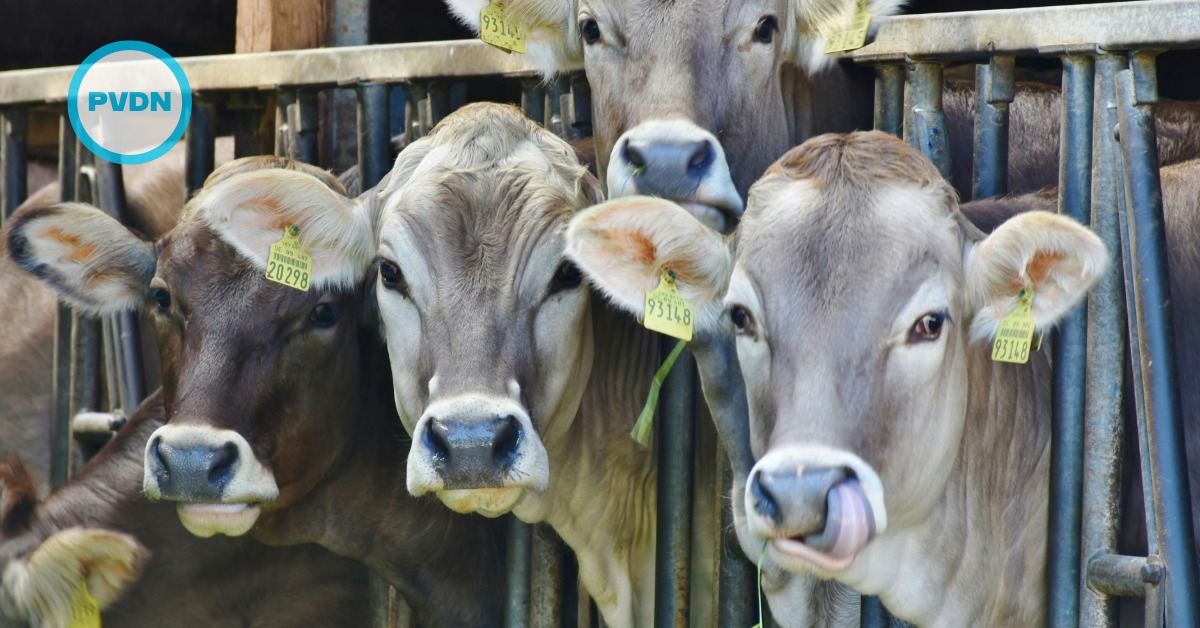
If you’ve felt the sting at the butcher counter lately, you’re not imagining it. Beef prices in Mexico have jumped far faster than overall inflation, and the reasons go well beyond feed and weather. Industry leaders say a quiet “security tax” is now baked into hauling cattle, moving meat, and keeping plants running. Add shifting import rules and a livestock pest that has disrupted cross-border trade, and the price tag on your next carne asada starts to look different.
A jump that’s outpacing inflation
Beef is getting noticeably more expensive in Mexico, and the gap between “what you feel” and “what the headline inflation number says” is widening. Industry figures and official price tracking point to a roughly 16.5% year-over-year rise in beef prices in January 2026, a spike that stands out in a country where meat is a daily staple for many households.
For expats, the surprise can be sharper because beef is often one of the first “reference items” you use to judge the cost of living—especially if you shop weekly, grill often, or eat out in places where steak and burgers are menu anchors. And while overall inflation has cooled compared with earlier peaks, beef has been moving in the opposite direction.
The contrast inside the meat case is also telling. While beef has surged, other proteins have been far more stable. The meat industry has pointed to modest increases in pork and even slight declines in chicken over the same period, making beef the clear outlier for shoppers trying to keep a food budget under control.
How insecurity turns into a line item on your receipt
The most unusual part of this story isn’t the weather or the cattle cycle—it’s security.
Industry representatives say theft and extortion are no longer occasional disruptions; they’re recurring costs that companies plan for. Highway robberies, cargo theft, and “cobro de piso” pressures can hit multiple points in the chain: feed and inputs on the way to ranches, live animals moved to feedlots, and refrigerated trucks carrying boxed meat to processors, distributors, supermarkets, and restaurants.
When a truck is hijacked or a shipment disappears, the loss isn’t just the product. It becomes higher insurance, tighter routing, added private security, delays that raise spoilage risk, and operational “friction” that adds up across thousands of deliveries. Industry leaders have described a measurable rise in road robberies, and they argue that those risks are now being priced into transport and production decisions.
Extortion is even harder to quantify, for a simple reason: it often stays in the shadows. Mexico’s own victimization data consistently shows that most crimes never end up in a formal investigation. That helps explain why business groups and industry chambers talk about insecurity as a cost pressure even when official complaint numbers don’t seem to match what companies report privately.
The result is a grim kind of pass-through economics. When the supply chain becomes more dangerous, the “cost to move food” rises—and that cost doesn’t disappear. It lands, sooner or later, in the retail price per kilo.
Imports, tariffs and a slower relief valve
Security isn’t the only pressure point. Mexico is also navigating a change in how it supplements beef supply from abroad, and the timing matters.
In recent years, the federal government used anti-inflation measures to make certain imports cheaper and more readily available, effectively acting as a relief valve when prices jumped. Industry representatives say that arrangement has shifted, and that beef and pork no longer enjoy the same streamlined treatment they previously had under the government’s anti-inflation package.
At the same time, the government has formally set a new import quota for beef for 2026—70,000 tonnes—under a tariff-rate quota mechanism. The stated goal is to stabilize availability and prices while managing Mexico’s growing reliance on imported beef. Officially, Mexico’s import dependence has been rising, and authorities have highlighted the need to diversify suppliers and avoid overconcentration.
The catch is speed. Quotas and public bidding processes can be more administratively complex than a “first-come, first-served” approach, and meat companies argue that slower allocation can create a supply gap in the first half of the year. Even when imports are approved, the product still has to be purchased, shipped, cleared, and distributed—meaning a policy change today may not result in cheaper beef at your neighborhood supermarket for weeks or months.
For shoppers, this matters because beef pricing isn’t only about what’s happening on ranches in Sonora, Jalisco, or Veracruz. It’s also about whether import channels can respond quickly when domestic supply tightens.
The pest problem and the long clock on cattle supply
Layered on top of insecurity and import policy is a biological problem with real trade consequences: New World screwworm.
U.S. authorities have linked the pest issue to restrictions on live animal movement and border trade. In practice, that can disrupt the normal flow of feeder cattle and breeding stock, complicating ranchers’ decisions and adding sanitary and compliance costs.
Some observers might assume that if fewer calves are exported, Mexico should suddenly have “more cattle” and therefore cheaper beef. But the industry itself points out the timeline doesn’t work that way. Calves that stay in Mexico still need to be fed and finished before they can be slaughtered, a process that can take well over a year depending on the production system. In other words, today’s trade disruption doesn’t automatically become tomorrow’s abundance at the butcher counter.
Meanwhile, Mexico’s beef market doesn’t operate in isolation from the United States. The U.S. cattle herd is historically tight, and U.S. beef prices have been elevated as ranchers rebuild slowly after drought and herd contraction. That backdrop keeps international beef values firm and reduces the chances of a quick price drop in Mexico, particularly for cuts and products linked to cross-border supply chains.
What to expect if you shop and eat out in Mexico
For expats living in Mexico, the practical takeaway is that this isn’t just a “seasonal bump” that vanishes after a holiday weekend. Beef prices are being pushed by a mix of risks and constraints that don’t resolve quickly: security costs that behave like a tax, import policy shifts that take time to translate into product on shelves, and supply dynamics that move on a months-long (or years-long) clock.
You may notice the pressure most in everyday staples—ground beef, thin steaks for quick meals, and popular grilling cuts—because they’re bought often and priced visibly. Restaurants also feel it, especially those built around burgers, tacos de bistec, arrachera, and steakhouse-style plates. Sometimes the adjustment is subtle: smaller portions, fewer specials, or a quiet nudge toward chicken and pork dishes.
The larger story is that beef is becoming a more “premium” protein again, not because Mexicans suddenly want it more, but because it costs more to produce, protect, and move.