Mexico City guarantees $1,200 pesos every two months to all children from birth to age three under the Desde la Cuna program, totaling $7,200 pesos per child.
Mexico City, Desde la Cuna, Clara Brugada, child support, early childhood, social policy, family benefits, bimonthly grant
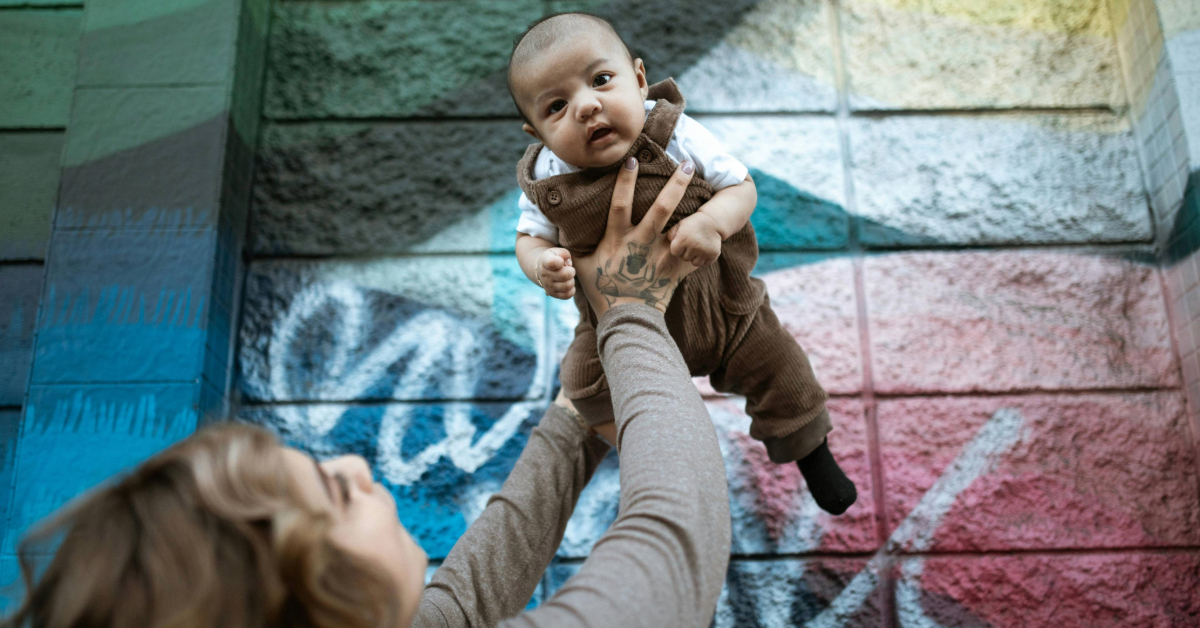
All children born in Mexico City will now receive $1,200 pesos every two months until they turn three years old, a benefit totaling $7,200 pesos under the government’s new Desde la Cuna (From the Cradle) program.
The initiative, led by Mayor Clara Brugada Molina, marks a historic shift in early childhood policy in the capital. “Being born in this city now means having guaranteed financial support from day one,” Brugada said during a public event in the city’s Zócalo.
“This is not a temporary handout. This is a structural social policy aimed at protecting children’s rights from the very beginning of life,” she added.
Currently, more than 22,000 children under the age of three are enrolled in the program. The city has already distributed more than 66,000 bimonthly payments and aims to reach 85,000 beneficiaries by the end of 2025, with universal coverage expected in 2026.
A Safety Net for the First 1,000 Days
Brugada emphasized that the first 1,000 days of life—from conception through age two—are critical for a child’s cognitive, emotional, and physical development. Desde la Cuna aims to ensure that no child in Mexico City is left without support during this key phase.
The benefit is designed to ease the financial strain on families, while also helping ensure young children have access to better nutrition, healthcare, and early stimulation.
Families participating in the program are also invited to take part in educational workshops on parenting, nutrition, and medical monitoring to support holistic development.
Expanding to Support Expecting Mothers
Mayor Brugada also announced plans to expand the program to include pregnant women, providing support even before birth to foster healthier pregnancies and better outcomes for newborns.
“We are building a city that is ready to welcome every child with dignity, care, and a guaranteed future,” she said.
A National Model for Child-Centered Policy
Araceli Damián González, Secretary of Welfare, described Desde la Cuna as a first-of-its-kind program in Mexico—and one of the few in Latin America—that places early childhood at the center of government policy.
“This is about justice for children and for caregivers,” she said. “Families will have the peace of mind of knowing that this support will be there for the first four years of their children’s lives.”
Meanwhile, María del Rocío García Pérez, head of the National DIF, called the program a model for reducing inequality from the earliest age. “Investing in early childhood is the most effective way to combat poverty and give all children the same chance to thrive,” she said.
President Claudia Sheinbaum, who has prioritized early childhood development at the national level, has pushed for more healthcare, education, and nutritional services for young children.
The launch event was attended by city officials, international observers, and families currently benefiting from the program.
With this new guarantee of $7,200 pesos per child over three years, Mexico City is reshaping how local governments can support families and build equity—starting from birth.