Mexico’s new Chapultepec arts hub will finally begin sheltering 64,000 works by February, while long-running worries over culture funding still simmer.
For once, the delay of a high-profile public work in Mexico City may have saved the art it was built to protect. After months of setbacks linked to water leaks and unusually heavy rains, the Bodega Nacional de las Artes in Chapultepec is now expected to begin housing around 64,000 artworks by the end of February, according to federal Culture Secretary Claudia Curiel de Icaza.
Curiel explained that teams postponed packing and transport again this year when storms hit the capital with unusual force. She said they refused to move paintings and sculptures until the warehouse had full safety certification and stable climate controls. In the meantime, the first batch of works will remain at the National Center for Conservation and Registration of Movable Artistic Heritage (Cencropam) before being transferred into the complex.
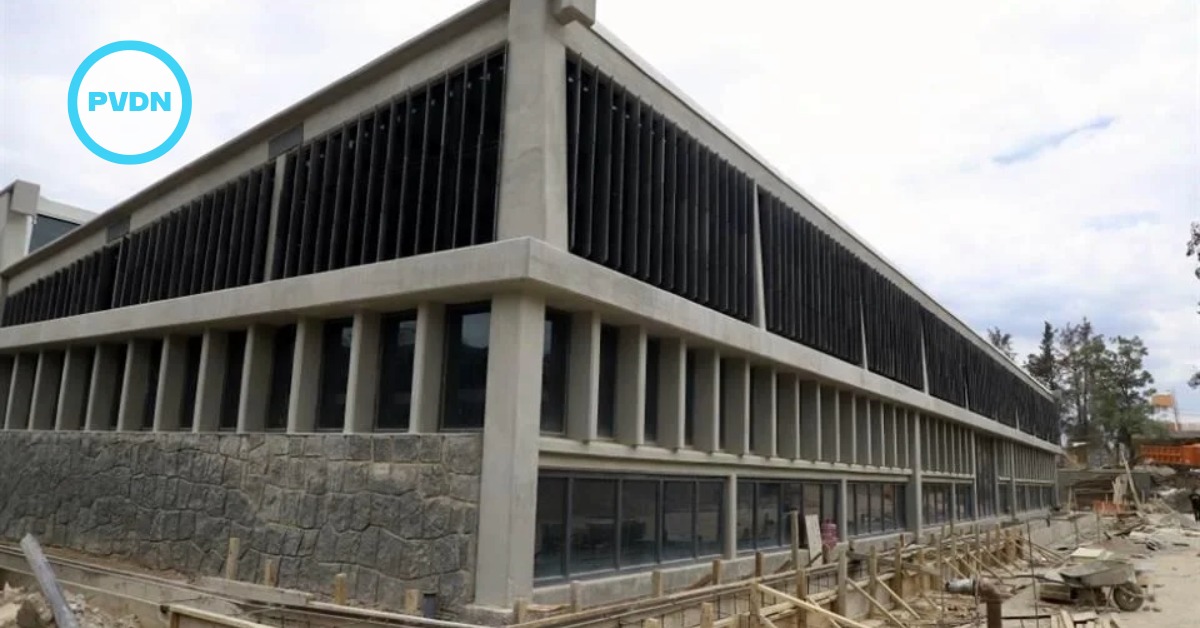
The facility, built in the Fourth Section of the Bosque de Chapultepec as part of the “Chapultepec: Naturaleza y Cultura” project, is not a simple storage shed. Earlier technical tours described a network of about a dozen interconnected buildings, with roughly 27,000 square meters of construction and an investment of around 1.2 billion pesos. The design consolidates scattered museum vaults into a single site and is planned to receive, at least in its first stage, roughly 60 percent of the collections from 18 museums operated by the National Institute of Fine Arts and Literature (Inbal).
A new backbone for national art
Specialized labs and workrooms will allow restorers to handle large-format paintings and sculpture without moving them across the city, something Cencropam had long struggled with in cramped facilities. Previous briefings on the project also described a sculpture garden, a gallery, an auditorium, a documentation center and even space for a small school of arts and trades on the same site. The goal is to turn the warehouse into a working campus, where conservation, training and public outreach share the same ground.
Curiel now frames the coming transfer of 64,000 works as a continuation of that plan, but with stronger safeguards after this year’s storms. Last year, officials had spoken of moving about 46,000 pieces in a first phase; the updated figure reflects a broader slice of the federal art collections. The secretary insists that no crate will be moved until sensors, climate systems and security equipment have been fully tested and certified inside the complex.
The warehouse’s launch comes as the Culture Ministry tries to catch up on long-promised repairs to Inbal’s network of arts schools. Curiel said 38 schools of arts and trades have been assigned 1,500 million pesos for renovation and curriculum updates, and she pointed to the new trades school in Chapultepec’s Fourth Section as one of the first to open its doors in January. Inbal describes these schools as a backbone of arts education, training young people and adults in music, dance, theatre and crafts across the country.
That focus on infrastructure and education comes against a tense budget backdrop. Curiel argues that there is “no cut” to culture in 2026, citing an approved allocation of 15.082 billion pesos for the federal culture ministry’s spending line, slightly above the previous year. But independent analyses of the Expenditure Budget show that, once projected inflation is factored in, the sector faces a real-terms reduction of about 4.6 percent, keeping culture stuck at roughly 0.15 percent of total federal spending, far below levels seen a decade ago.
Mexico City arts warehouse
Within that context, the Mexico City arts warehouse carries symbolic weight. It is one of the largest and most expensive pieces of cultural infrastructure built in recent years, and its delays have been closely watched. In 2024, federal officials said the complex was about 85 percent complete and hoped to begin occupation by late October of that year. By the first anniversary of the Fourth Section’s inauguration, however, leaks in office areas and other pending works forced authorities to push back the timetable.
Now, Curiel links the final leg of the process directly to the weather. She described this year’s rains as unusually intense and said they would not “move a finger” without full certainty about conditions inside the buildings. Conservation specialists have long warned that even minor humidity problems in vaults can warp canvases, stain paper and trigger mold outbreaks, especially when thousands of pieces are stored together. For an installation meant to safeguard much of Mexico’s modern and contemporary artistic heritage, any sign of water intrusion is taken seriously.
While the warehouse attracts most of the attention, the same announcement highlighted another pillar of the federal cultural strategy: popular arts and crafts. Curiel confirmed that new shops for the National Fund for the Promotion of Handicrafts (Fonart) are about to open, including a flagship store in the historic Palacio del Marqués del Apartado, directly facing the Templo Mayor in the heart of downtown. Recent government briefings on Fonart describe a tighter network of own-brand stores in Mexico City and a mixed model for outlets in Tijuana, Guadalajara, Tulum and major archaeological sites, all focused on direct, commission-free sales for artisans.
The Chapultepec trades school and the expanded Fonart network are meant to work in parallel. One side trains new generations of craftspeople and artists; the other offers more stable shop windows for their work. Policy documents and public presentations for the current administration have stressed that the “Naturaleza y Cultura” project was conceived not only as a cluster of museums and parks, but also as a corridor for creative jobs and income in surrounding neighborhoods.
Whether the money set aside for 2026 will be enough to run all of this remains an open question. Analysts warn that new infrastructure tends to consume extra operating funds for utilities, maintenance and staff, even as existing museums still face leaks, salary pressures and deferred repairs. The Culture Ministry insists that Chapultepec’s operating budget is guaranteed and that salary adjustments and film support have already risen. For now, though, many of the works headed to the Bodega Nacional de las Artes are still waiting in other vaults, with their future resting on a warehouse that must prove it can stay dry, stable and open in the years ahead.