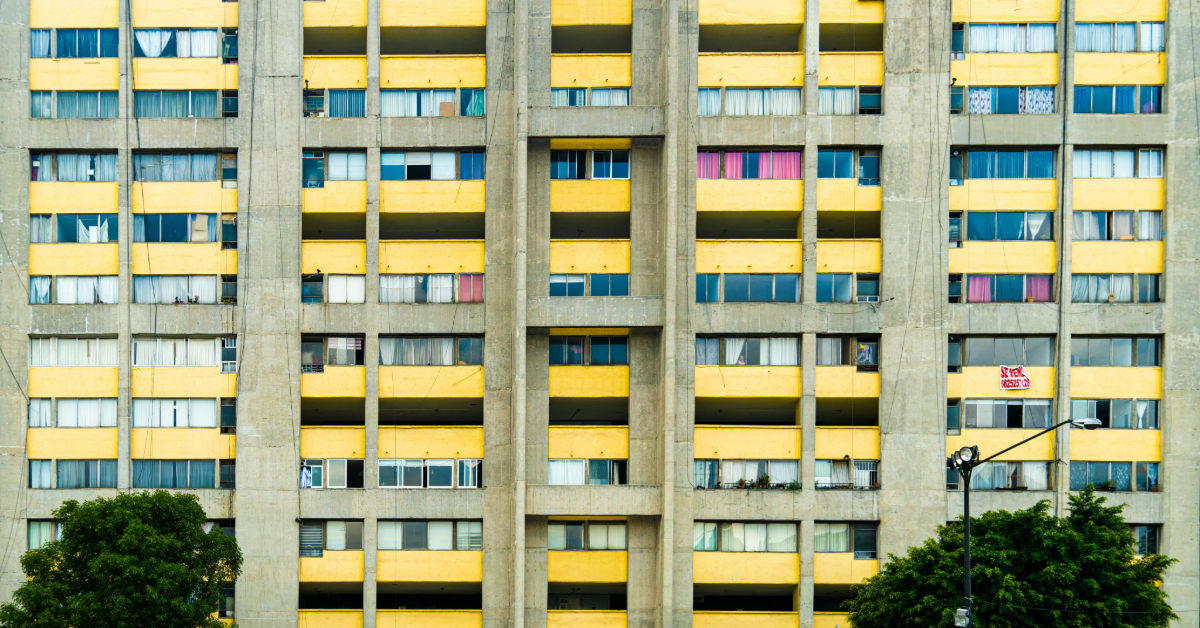
Mexico City rolled out Bando 1 today to tackle gentrification with 14 housing measures aimed at stabilizing rents, expanding affordable housing, and defending tenant rights to keep the capital livable for all.
Mexico City’s government unveiled “Bando 1, for a livable and affordable city with local identity and roots” on July 16, 2025. The initiative packs 14 concrete actions into Decree 1, aiming to curb runaway housing costs and halt displacement of long‑time residents. City leaders say this marks a turning point in how the capital will manage growth and protect vulnerable communities.
Head of government Clara Brugada framed Bando 1 as the first step in “a profound, progressive, and structural process to transform access to housing in Mexico City and combat phenomena such as gentrification.” She stressed that the city must remain a right for everyone, not a privilege for a few. “With these measures, Mexico City leads Latin America in stabilizing rents, guaranteeing adequate housing, and defending the right to the city,” Brugada said.
Measures to tackle gentrification in CDMX
The heart of Bando 1 lies in its 14 provisions. First, the city will cap rent increases at last year’s inflation rate, reinforcing Article 2448 of the Civil Code. Next, officials will launch a Reasonable Rental Price Index in zones under real estate pressure, giving tenants data to contest unfair hikes.
An Office of the Tenant Rights Ombudsman will offer free support, mediate disputes, and impose sanctions for illegal evictions or abusive landlord practices. City planners will also push a Fair, Reasonable, and Affordable Rent Law through broad public forums and the Mexico City Congress to balance landlord and tenant rights—and to rein in short‑term rental platforms.
To boost supply, social housing policy will shift north. Public housing projects will rise in central districts and stressed neighborhoods, cutting red tape to accelerate construction. The city will expand its public rental program for low‑income households and scale up the “progressive new housing” scheme, which adds units to existing working‑class buildings and develops family condominiums.
The private sector will join the fight against speculative buying in high‑tension zones. The government will offer incentives for affordable housing developers and create a Master Plan to map actions inside defined polygons of intense market pressure.
Bando 1 also embraces community life. A Community Roots Program will fund local businesses, protect cultural sites, and preserve public spaces in vulnerable neighborhoods. Seed capital and small loans will keep traditional shops and trades alive amid rising rents.
Finally, the city will launch a Land and Housing Observatory to collect and analyze data on lease terms, land use, and both long‑ and short‑term rentals. Officials say real‑time information will help spot risky trends before they force families out.
City planners expect to roll out the first regulations and set up the Ombudsman office by early 2026. They acknowledge potential challenges, including pushback from real estate interests and technical hurdles in tracking rents across dozens of neighborhoods. Still, Brugada’s team believes that clear rules and strong enforcement can keep Mexico City diverse and affordable.
Stakeholders from tenants’ groups to small‑business owners have welcomed the push but stress that success will hinge on funding and political will. The administration has pledged to work with community leaders at every step, aiming for transparent, participatory oversight.
As Bando 1 moves from decree to daily practice, all eyes will be on its impact in neighborhoods like Roma, Juárez, and Tlalpan. If Mexico City can hold rent spikes to inflation and expand housing where it’s needed most, the capital may set a model for cities across Latin America facing similar pressures.
Mexico City, gentrification, housing policy, rental stability, tenant rights