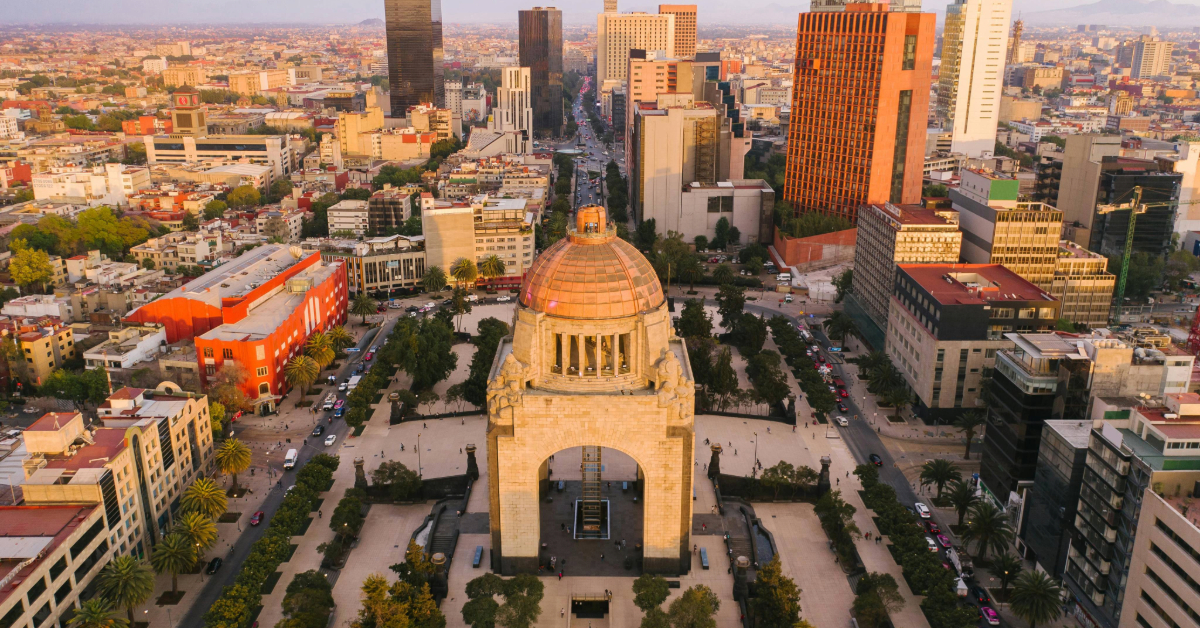
A report finds that one in three Mexico City (CDMX) rental listings are not available, highlighting the threat of Mexico City rental fraud and urging tenants to verify before signing.
A third of properties advertised for rent in CDMX aren’t available, raising alarm over potential fraud in one of the country’s tightest housing markets. Data from Desarrolladora Del Parque, drawn from the Citizen Council for Security and Justice of Mexico City, shows that in 2024 alone authorities recorded 620 real estate frauds in the capital.
In a statement dated July 15, 2025, Desarrolladora Del Parque highlighted that as demand for rental apartments surged, 60 percent of recorded frauds involved apartment listings. Specialized rental portals reveal that over 60 percent of property searches in Mexico City focus on rentals; yet, only a third of those listings truly exist, pointing to a growing ecosystem of bogus offers.
“The combination of high demand and low supply makes tenants prime targets for scammers,” said a spokesperson for Desarrolladora Del Parque. “When a third of listings vanish upon inquiry, renters risk losing deposits, months of rent and facing legal battles to recover payments.”
Mexico City rental fraud affects tenants
To help renters avoid scams and protect their interests, Desarrolladora Del Parque and legal specialists at Agwa Bosques and Up Santa Fe Rental Club share five essential precautions:
- Investigate all parties
– Verify the identity of the tenant, guarantor and any co-signers.
– Confirm verifiable income of at least three times the monthly rent.
– Request proof of financial solvency and a clean criminal record. - Complete and review documentation
– Insist on a well‑structured lease that covers improvements, deposits, subletting, early termination and penalties.
– Confirm that the signatory is the registered owner by checking property deeds and land‑use certificates with the public registry. - Secure legal guarantees
– Use promissory notes or require collateral property as additional security.
– Obtain civil liability insurance to cover damages to third parties and common areas. - Monitor building regulations
– For condominiums or managed developments, include internal rules on maintenance fees, common‑area use, noise restrictions and pet policies.
– Ensure the landlord or management body signs off on these regulations. - Choose the right leasing model
– Define whether the lease will be traditional, medium‑term or short‑term.
– Note that Mexico City’s temporary leasing market carries specific new regulations.
Adrián Mateos, legal specialist at Agwa Bosques and Up Santa Fe Rental Club, stresses that “housing rentals in the capital require professional handling to set clear conditions and avoid future conflicts.” Community leader Angélica Soria of Desarrolladora Del Parque adds that “renting goes beyond an informal agreement; it demands trust, rigour and sharp due diligence.”
With online portals flooded by both genuine offers and fraudsters, renters must remain vigilant. A simple search step can save thousands of pesos and untold stress. Authorities warn that those tempted by low‑cost listings should treat them as red flags and report suspicious ads to Mexico City’s Citizen Council for Security and Justice.
By following these guidelines, tenants can navigate the competitive Mexico City rental market with confidence—and avoid falling prey to scams that cost so many their hard‑earned money.