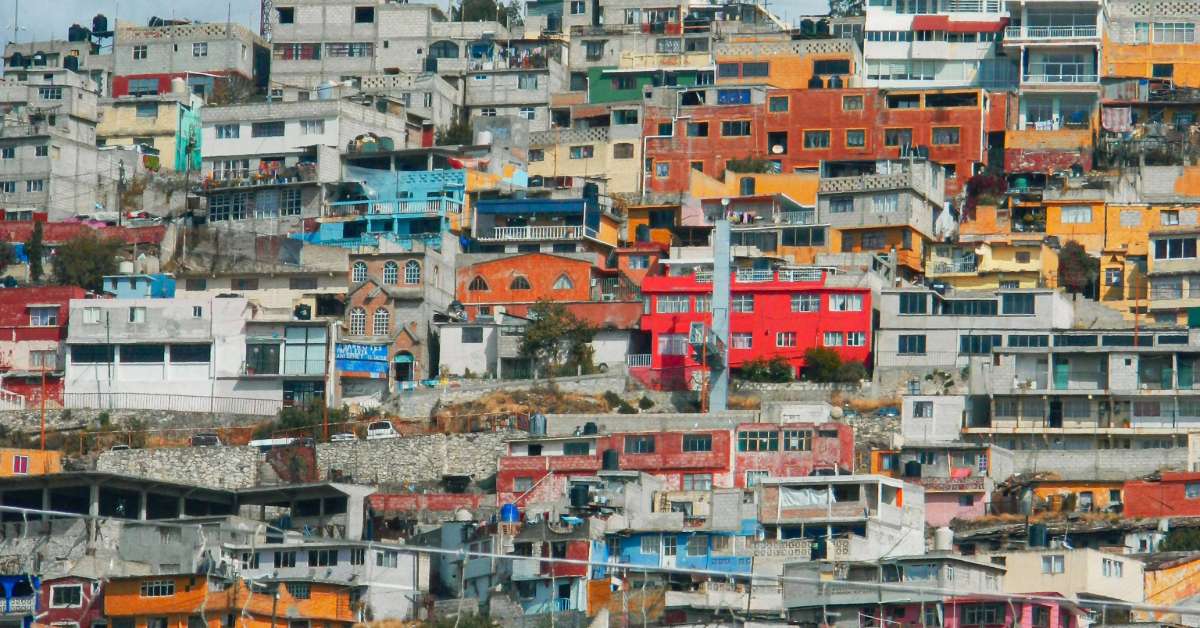
Mexico City News – Mexico City’s officials and experts warn that developers have exhausted every available plot for new construction. UNAM researcher Alejandro Suárez Pareyón says the city has drained its buildable‑land reserves. He said authorities must focus on recycling underused plots and dedicating the tiny remaining supply to public rental housing. He added that this approach could curb the growing trend of families being pushed to distant suburbs.
The discussion took place at the inaugural forum on Provision 1, which aims to draft a master plan against gentrification. The director of the University of Buenos Aires’ Housing Laboratory urged the city government to kick‑start a public rental program. Once that base is in place, private developers could join the effort to scale up rental options for lower‑income households.
Historically, Mexico City relied heavily on rentals. In 1950, nearly 75 percent of its nearly 600,000 homes were leased. Today, by contrast, only 2.7 million of the city’s more than 7 million residences are available for rent, according to census data. Experts at the forum argued that public policy has long sidelined rentals even as prices in areas like Condesa and Roma have leapt by up to 200 percent.
Mexico City rental housing
At the heart of the forum was a call for a comprehensive rental law. Participants stressed that stabilizing rent increases can protect vulnerable tenants. They noted that without legal caps, market forces will keep driving families away from central neighborhoods. Establishing clear rules for rent adjustments, they said, would offer households both predictability and security.
Regulating short‑term rentals
Speakers also tackled the rise of short‑stay platforms, which local Housing Secretary Inti Muñoz said have siphoned 16,000 apartments from the long‑term market. Secretary of Planning Alejandro Encinas clarified the goal is not to stifle tourism growth. Rather, he explained, the city plans to limit the number of properties eligible for short‑term listing and require a guest registry to prevent whole buildings from converting into de facto hotels.
Tracking displaced families
To measure the impact of rising rents and short‑term rentals, the city has begun registering families forced out of their neighborhoods. Inti Muñoz reported the displacement census already counts 30,000 households each year. The registry aims to paint a clearer picture of how many residents lose affordable homes to gentrification. Completion of this census is slated before the next income tax bill reaches the local Congress.
Meanwhile, local representatives held follow‑up forums in Miguel Hidalgo borough. Residents from Escandón, San Miguel Chapultepec, Tacubaya and Popotla shared mixed views. Some decried property owners turning entire buildings into short‑term rentals. Others defended hosting as a necessary income source. They urged policymakers to treat smaller hosts fairly alongside larger investors.
Mexico City, rental housing, public housing, gentrification, housing policy