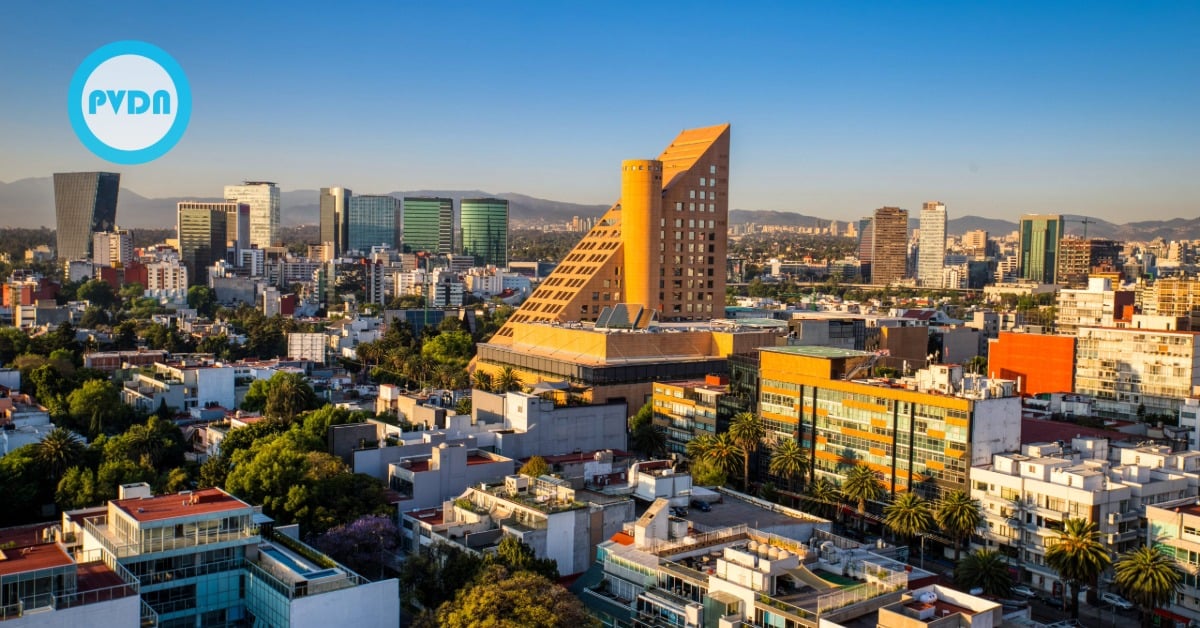
Nine in ten people searching for a lease in the capital don’t land one. That’s how tight the market feels today, and the prices show it. Since 2020, asking rents have jumped sharply, while new construction stalled and more families were pushed farther from work and transit. City Hall now promises thousands of apartments under a revived planning rule and a broader push to rein in abuses. It sounds like relief. But the timeline, the rules, and the math suggest the pressure won’t ease overnight.
Mexico City rents
Nine out of ten would-be tenants in Mexico City can’t secure a place to rent in today’s market, according to a new report that ties the squeeze to years of under-building and a surge in demand. The analysis, published by El Universal and drawing on the Homie.mx rental platform, says the shortfall means most people searching go home empty-handed. Rents have risen about 45% since 2020, the outlet reports, citing the Inmuebles24 index.
Developers and the city government say they’re now trying to reverse the shortage. Officials reactivated the long-shelved “Norma 26,” which allows more height and density in central areas in exchange for selling or renting smaller, lower-priced units. The city’s development agency, Servimet, frames the rule as part of a broader push to produce “sustainable, affordable housing” and to align new projects with the administration’s “Bando 1” agenda on rent fairness and anti-gentrification.
Under that plan, the government says 280 projects have approvals under Norma 26, enough to yield roughly 20,000 homes if they all advance. It also bars these units from being used as short-term rentals, an attempt to keep new supply in the long-term market. That’s the theory. In practice, developer groups warn the first tranche could deliver only about 5,000 units as they test rules and financing. Even optimists concede the new inventory won’t arrive tomorrow.
What the numbers say right now
Broader data confirm the pressure. Tinsa Mexico told El Economista that rents in the capital rose about 10% year-over-year in the first half of 2025, with the tightest conditions in boroughs that already host the most rentals. That increase stacks on top of pandemic-era gains and comes with high occupancy rates in central neighborhoods.
Affordability has slipped across Mexico, and Mexico City is where the strain is sharpest. BBVA Research finds housing costs (both purchase and rent) have outpaced labor income in recent years; the bank estimates one in five households that pay rent or a mortgage now spends more than 30% of their income on housing, with the highest share of over-burdened households in Mexico City. In short, even if you find an apartment, paying for it is getting harder.
City Hall’s “Bando 1” package pairs the building push with tenant-side measures, including an index to guide “reasonable” rent increases, a tenants’ ombuds office, and tighter rules around abusive practices. Officials say the goal is to stabilize prices without repeating the blanket rent freezes of the past. The effort has sparked debate among residents and builders over how to balance speed, scale, and fairness.
Will 280 projects move the needle
Even if every approved project gets built, delivery takes time. Developers in El Economista estimate typical housing projects need three to seven years from green light to keys-in-hand. That means much of the relief touted today may not hit the market until 2028 or later. And rules that cap returns—while aiming to protect tenants—can slow financing for exactly the projects the city wants, a risk industry groups keep raising.
Still, supply matters most. Mexico City lost ground after years of light construction in the core, and officials argue that allowing smaller, denser buildings near jobs and transit is the fastest, fairest lever they have. Servimet says the revived rule is paired with a streamlined “single window” for permits, and with requirements that keep new units in the long-term rental pool. The outcome to watch is whether approved projects break ground quickly—and whether they land at prices households can actually pay.
For renters, the near-term outlook is tough. Mexico City rents remain high, vacancy is thin, and many households already spend more than they should on housing. Unless projects move from paper to concrete at scale—and the rent-guard rails are calibrated to avoid chilling investment—the squeeze will persist. That’s the honest read from the numbers and from the street.