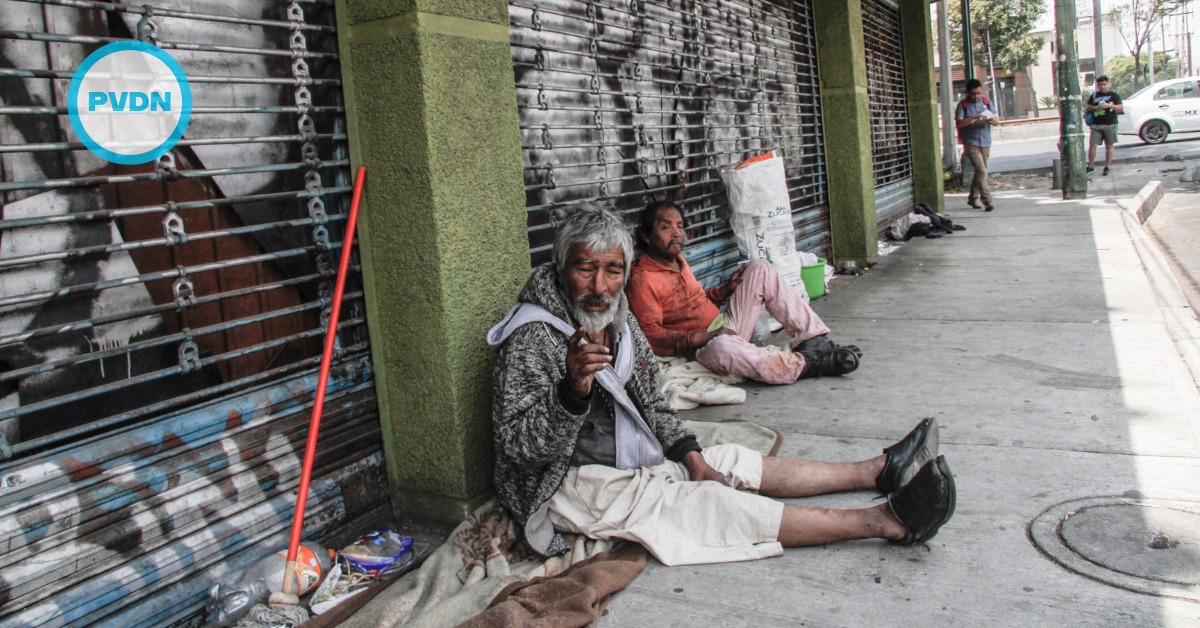
CDMX’s registry counts 2,878 people living on the streets, concentrated in Cuauhtémoc, as officials revise how they count and respond.
Mexico City keeps a running tally of people sleeping in public spaces. This week, the newest figure landed with a thud.
For many residents, the issue feels constant. You see people sleeping near Metro stations, in plazas, and under ramps built for cars, not beds. You also see the city’s response swing between outreach and removal. A fresh diagnosis matters for one reason. It forces the government to say how many people it can actually find and serve.
City officials use the term “street situation” broadly. It covers people who sleep outside every night. It also covers people who cycle between streets and shelters.
The city’s Secretariat of Welfare and Social Equality says it has identified 2,878 people living in street situations across the capital. The largest share is in Cuauhtémoc, where the registry counts 1,011 people, or about 35% of the total. Other boroughs with high counts include Iztacalco, Venustiano Carranza, Gustavo A. Madero, and Iztapalapa. At the other end, the registry shows single-digit totals in Cuajimalpa, La Magdalena Contreras, and Milpa Alta.
The registry also sketches who is most exposed. It lists 83% as men, 13% as women, and 4% as part of the LGBTTIQ+ community. Many live under bridges or in makeshift camps. Some live alone. Others form small groups for safety and survival, according to the city’s welfare secretary, Araceli Damián González.
For the city, this isn’t only a number. It is also a paperwork problem. Damián says many people on the street lack basic documents like an ID or a birth certificate. Without them, even simple steps can become a wall.
Mexico City street homelessness
The headline figure comes with a warning label. Mexico City’s own counts have not stayed steady from year to year, even when the sidewalks look unchanged.
A 2024 figure obtained through transparency requests put the total at 1,125 people in street situations. That snapshot also broke down the population by sex. It counted 16 people in the LGBTTIQ+ community. Damián argues the city did not suddenly add more than 1,700 people in a single year. She says the newer diagnostic spread the work across four days and separated results by borough. The method changed, and the number followed.
Other official tallies tell a similar story. A count cited by Mexico City legislators put the 2024 total at 1,124 people. The same legislative document also cites a 2025 census figure of 2,869 people in street situations. It links the largest concentrations to Cuauhtémoc, Iztacalco, Iztapalapa, and Venustiano Carranza.
The gap between “about 1,100” and “about 2,900” matters. It shapes budgets, staffing, and the pressure on shelters and outreach teams. It also shapes how the city explains the problem to the public.
It also fuels a harder debate about undercounts. A legislative proposal cites research that uses mortality data to argue that official registries can miss many people. That claim is not a substitute for a census. Still, it highlights why timing, definitions, and fieldwork matter.
Street outreach workers also talk about “arraigo,” or attachment to the street. Some people still see a way back to formal life. Others have spent years outside, building routines around a few blocks. That is why a count can’t be a one-off exercise. It needs follow-up, and it requires trust.
Cuauhtémoc stands out in almost every count, but the share can swing. One annual count cited by local officials put the borough at 616 of 1,124 people. That is about 55%. That same account described a shift in where people sleep. It pointed to newer clusters along corridors like Roma and Condesa. Policing, commerce, construction, and survival all move the map.
The human details behind the totals can get lost. The city says it encounters people with chronic illnesses and disabilities. It also meets people who were abandoned or pushed out of family support. Damián says the city rarely counts minors living on the street. In many cases, she says, children are present because parents work informally and keep them close.
Migration is another moving piece. City officials say they see relatively few migrants sleeping on the street because many are in shelters. Outreach teams also report meeting people who arrived from other Mexican states seeking work but got stuck. The city says it is exploring ways to help some return home, if they choose.
The city has not published a single, unified methodology with every update. Transparency matters because budgets follow the count and the method. That leaves residents guessing about what changed. Did teams reach new areas? Did they count people twice as they moved? Did they include people in temporary centers? Officials insist the registry is improving, not inflating. People deserve to see the math. The next test will be consistency. If the city repeats the count the same way, month after month, the trend will start to mean something.
What changes when the city counts people
Counting is only the first step. The hard work starts after the count.
City officials say they are shifting to an outreach model. Damián describes teams that approach people. Then they try to match services to what each person wants. For some, the first goal is replacing documents. For others, it is medical care, addiction treatment, or a safe bed that does not feel like a trap.
The registry also points to the strain on transitional spaces. The city says the Center for Assessment and Referral is a short-stay facility. It offers food, clothing, medical attention, hygiene, and overnight shelter. The Secretariat’s data links 479 people in street situations to that center.
Rights groups warn that services alone won’t fix what happens outside. The Mexico City human rights commission has documented years of complaints. They tie to the treatment of people living on the street. They also tie to users of social assistance centers. Its recent thematic report describes recurring barriers, including discrimination and weak access to health care and justice.
Borough teams still face pressure to “clear” sidewalks and underpasses. Many people return soon after, even when workers offer shelter. That choice can reflect fear, trauma, mental health issues, or rules that do not fit a person’s reality.
This diagnostic puts a hard number on a problem many people see every day. If the city wants the number to fall, it will need consistent counting and long-term support, not quick removals.
The city has promised a new care model. Residents will judge it by what changes on the streets.