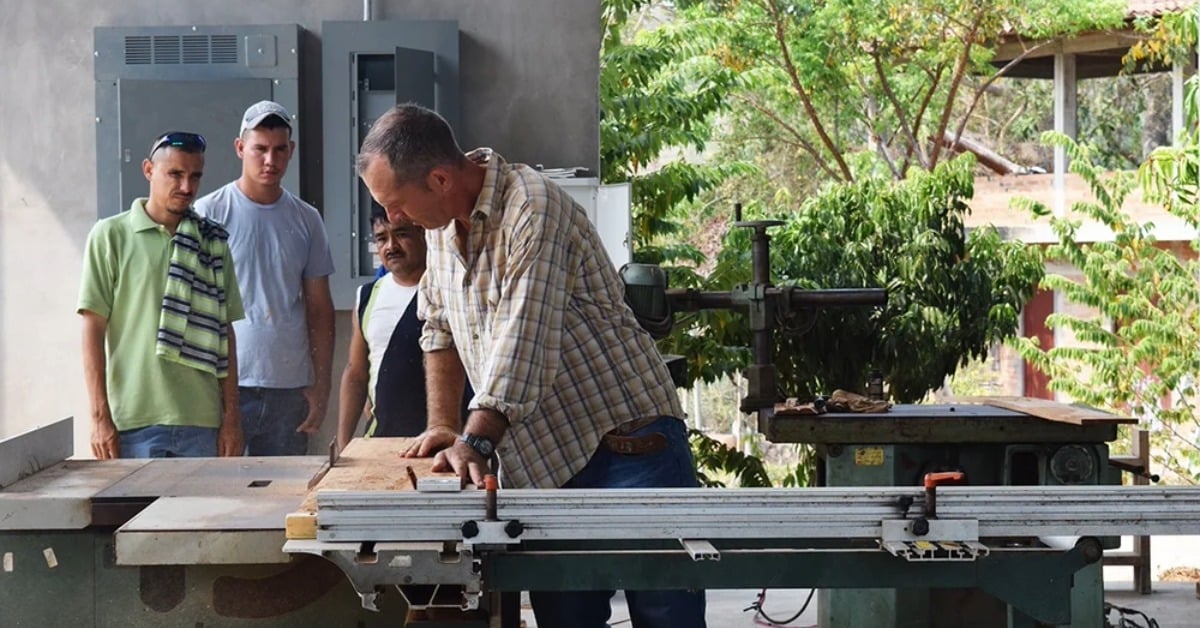
Mexico City – The Mexico City government is preparing a new program to provide 8,500 pesos per month to residents aged 30 and older who enroll in trade and technical training, officials announced Monday. Modeled on the federal Youth Building the Future initiative, the scheme aims to bridge the gap for adults who have traditionally been excluded from workforce-integration programs.
Under the plan, participants will receive hands-on training in workplaces, workshops or vocational centers while drawing a monthly stipend of 8,500 pesos for up to 12 months. The government says the income support will help adults focus on building skills for better-paying careers without the pressure of immediate job earnings.
“This program reflects our commitment to expand social inclusion across all age groups,” said a spokesperson for the CDMX Secretariat of Economic Development. “By extending the Youth Building the Future framework to those over 30, we’re investing in the city’s human capital and strengthening our workforce.”
Extension of a Proven Model
Since its launch, the federal Youth Building the Future program has integrated thousands of young Mexicans into productive roles through paid internships and training. Mexico City’s adaptation preserves the core concept—practical, on-the-job learning paired with financial support—but raises the age threshold to 30, recognizing the needs of adults seeking career shifts or upskilling opportunities.
While detailed operating rules, registration timelines and targeted sectors are still under development, city officials expect guidelines to be released in the coming weeks. Eligible participants will register through a dedicated portal on the government’s website and select from approved training providers across industries such as manufacturing, information technology and construction.
A Broader Push for Social Coverage
The trade-school stipend joins a series of recent interventions designed to tailor support by life stage. Earlier this year, the capital rolled out programs for seniors, people with disabilities and young mothers. Together, these measures form part of a broader strategy to address income inequality and improve access to vocational education.
Analysts say the initiative could bolster Mexico City’s competitiveness by filling skill shortages in growing sectors and reducing long-term unemployment among adults. If successful, it may serve as a model for other states considering similar age-inclusive workforce programs.
As the city finalizes details, potential trainees and training centers are advised to stay tuned to official announcements on the CDMX government portal. The program is slated to begin enrollment this fall, with the first stipends disbursed by early 2026.