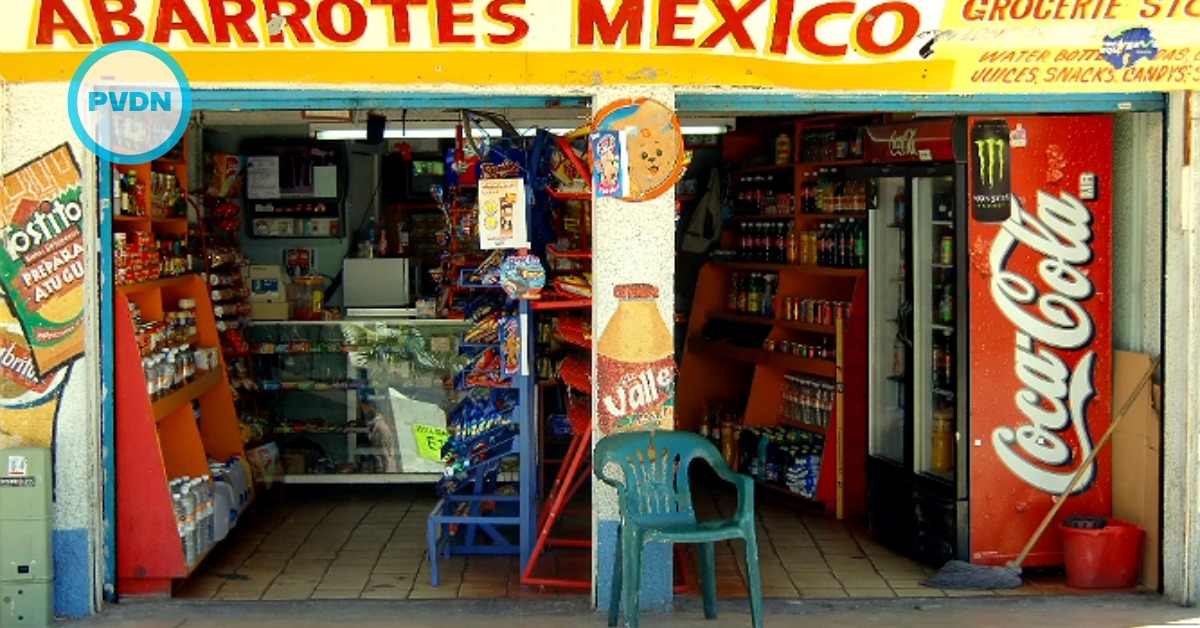
Neighborhood grocery stores across Mexico report a 45 percent collapse in 2025 sales as inflation, debt and rising extortion squeeze families.
Inflation in Mexico is officially running at about four percent this year, but for the people who run the country’s little grocery stores it feels much higher. Across the country, owners of neighborhood tiendas de la esquina say 2025 has brought a sharp drop in customers, smaller baskets and more requests to buy on credit.
New survey data from the National Alliance of Small Traders shows just how deep the damage runs. On average, shopkeepers report that their daily sales in 2025 are down 45.48 percent compared with last year. Most say they have raised prices because their suppliers charge more, yet the money that comes in at the till is not enough to cover rising costs and household bills.
The same survey paints a picture of families living on the edge. Only a small minority of store owners believes their customers can still afford the full basic food basket. More than half say they now sell more goods fiado, on trust and credit, than in cash. In many shops, the typical ticket per family is under 100 pesos, with buyers choosing the cheapest option on the shelf and leaving non-essential items behind.
Mexico corner shops in survival mode
These Mexico corner shops are more than convenient places to buy tortillas, beans or a bottle of cooking oil. They are also a form of informal social security. In thousands of neighborhoods, especially on the outskirts of big cities and in rural towns, the local tienda is where families turn when the paycheck runs out before the end of the month. The owner keeps a handwritten list of debts and waits to be paid when money comes in.
That system only works when the business has some margin to absorb late payments. The new figures suggest that cushion is disappearing. Shopkeepers say they have cut their own profit margins to avoid pushing prices even higher, changed to cheaper brands and reduced the variety of products they stock. Yet sales keep falling, and overdue tabs keep growing.
Official data partly explains the squeeze. The national statistics agency reports that annual inflation hovered around 3.6 percent this autumn, but the prices that matter most for these households — food, drinks and other everyday items — continue to rise faster than the average. Other studies of basic food baskets show that some states now face some of the highest grocery bills in the country, pushed up by transport costs, insecurity and climate shocks.
Behind the numbers are workers whose wages have not kept pace with earlier years of price increases. Families who once bought a weekly pantry now spread their spending out in tiny purchases: a single egg, a few slices of ham, a small bag of rice. Shop owners say more customers arrive with a strict cash limit and ask the clerk to stop as soon as the total reaches what they can pay.
For the people who run these businesses, the working day is also getting longer. Many tiendas open seven days a week and more than twelve hours a day, yet the owners say they take home less than before. Some report putting off their own medical care or delaying payments on rent, utilities or loans to keep the doors open.
Extortion turns every peso into a risk
On top of inflation, insecurity is eroding what little profit remains. The same national survey finds that more than a third of small shops feel directly hit by crime. Shopkeepers report that so-called cobro de piso, the “floor tax” that criminal groups charge in exchange for allowing a business to operate, has increased compared with last year. Many say they now receive threats demanding weekly payments that can easily consume a quarter of their potential earnings.
The survey also records high levels of theft and violence. Around a third of respondents say they suffer constant robo hormiga, the steady trickle of unpaid goods that disappear from the shelves. Others report armed robberies inside their stores. Each loss, even of a few products, wipes out the tiny margin that keeps a small grocery afloat.
Owners say they feel largely alone in dealing with these risks. A majority of those surveyed believe that the federal government does little to support or protect them. Earlier studies by the same alliance found that seven out of ten tienditas felt at risk of closing for good because of the combined pressure of inflation, weak sales and extortion. Months later, the new data suggest that the danger has only deepened.
The collapse of these neighborhood stores would not just be a business story. Mexico’s corner shops are woven into daily life: they extend informal credit, keep basic goods within walking distance and often serve as an extra pair of eyes on the street. When sales fall by almost half, that fragile network frays.
For now, most tienditas remain open, lights on and shelves partly stocked. But the people behind the counter are operating with narrower margins, higher risks and less faith that help will arrive. Whether Mexico corner shops can survive another year like 2025 may depend on more than just the next inflation number. It will also depend on whether authorities treat them as the backbone of local economies, or leave them to face the crunch and the cartels on their own.