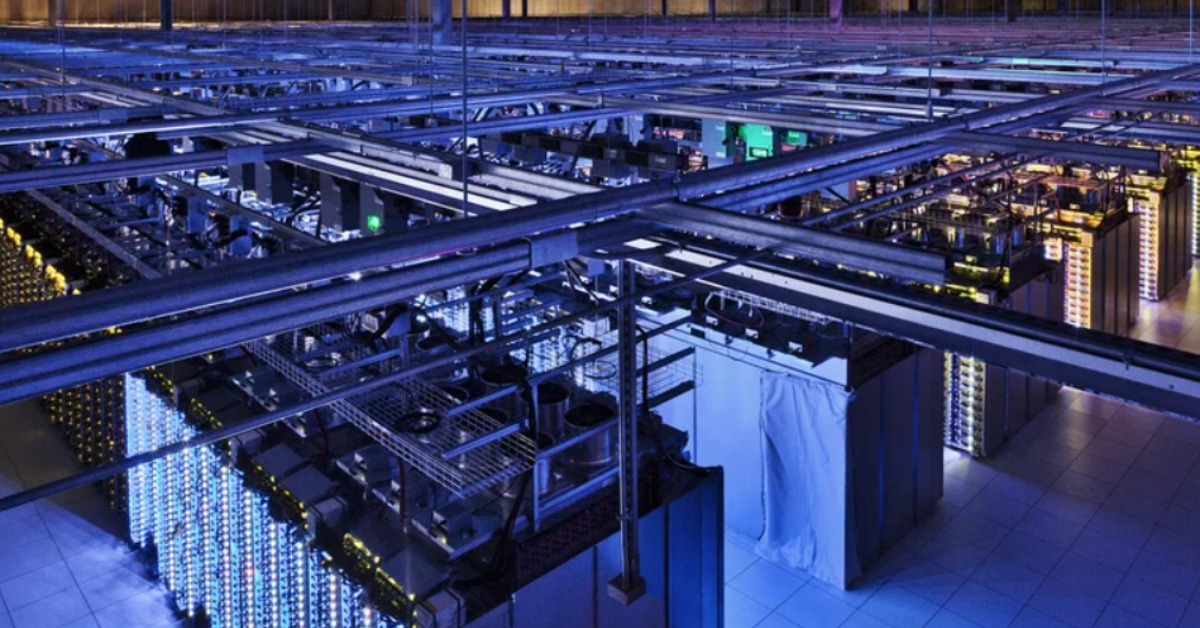
The fast rise of data centers in Mexico is changing the rules of construction. What used to be treated as a specialized building type now looks more like a new class of mission-critical infrastructure. Developers are no longer able to think in phases, where the shell comes first, and the technical systems arrive later. In these projects, power, cooling, telecoms, and security have to be planned together from the start.
That shift is becoming visible in Querétaro, where a recently completed project was finished in 90 days. The timeline matters because it shows how much pressure now surrounds digital infrastructure. In a market driven by cloud services, artificial intelligence, and large-scale digital operations, the delivery date is often as important as the building itself. For contractors, that means less room for improvisation and much more pressure to solve technical problems before work begins on site.
Why a data center is not a normal industrial building
A data center may look like an industrial box from the outside, but it functions very differently from a warehouse or a standard manufacturing plant. The building has to operate continuously. Any interruption can affect servers, network traffic, and business operations. That changes how engineers and builders approach the project.
The technical demands are also rising. A generation ago, a rack used only a few kilowatts. Today, equipment built for AI workloads can require 100 to 150 kilowatts in the same space. That pushes up electrical demand and changes how cooling systems are designed. In some cases, traditional air cooling is no longer enough, and operators move toward liquid cooling or other more intensive systems. As a result, construction is becoming less about walls and slabs and more about coordinating complex systems that must work together from the first day of operation.
The real change starts before construction begins
The biggest change may be in planning. Builders now need to identify critical equipment early, secure long-lead materials sooner, and align all disciplines with a fixed schedule. The work no longer moves in a straight line. Electrical installations, cooling systems, telecoms, and security need to advance in parallel. If one piece slips, the entire sequence can stall.
That is pushing more firms to rely on digital project modeling, early procurement, and tighter coordination with suppliers. In practice, the project gets built twice. First, it is built digitally through planning and coordination. Then it is built on site. That approach is becoming more important because these projects depend on specialized equipment that may be hard to source quickly. In this environment, the contractor is expected to understand not only construction, but also how the finished facility will operate once it is live.
Why Querétaro sits at the center of the story
Querétaro has become the clearest example of this shift, emerging as one of Mexico’s main digital infrastructure hubs. Its location, industrial base, and connectivity have helped attract investment in cloud and data centers. That concentration is now shaping both local construction demand and the wider national market.
The pipeline is large enough to matter beyond the tech sector. Industry estimates point to more than $18 billion in direct investment by 2030, with much more capacity still to be built. Large projects already announced for Querétaro show the scale involved. That growth helps explain why time has become a competitive condition. Operators want functioning capacity by a specific date, not just a building under construction. A contractor that cannot deliver on schedule may lose the project before work even starts.
What this means for Mexico beyond the tech industry
For Mexico, this is about more than data centers. It is about how industrial and digital real estate is evolving. The country is seeing a type of construction that demands faster delivery, deeper specialization, and closer integration between real estate and infrastructure. That can raise the bar for contractors, engineers, and suppliers across the market.
It also creates pressure points. Power availability is becoming one of the main limits on future expansion. So are water management, telecom capacity, and the speed of permits. For readers living in Mexico, this matters because the effects do not stay inside a server hall. They shape utility investment, land use, industrial growth, and the pace of development in regions that are attracting digital infrastructure. The bigger story is not only that more data centers are coming. It is that they are changing the standards for how major projects get built in Mexico.