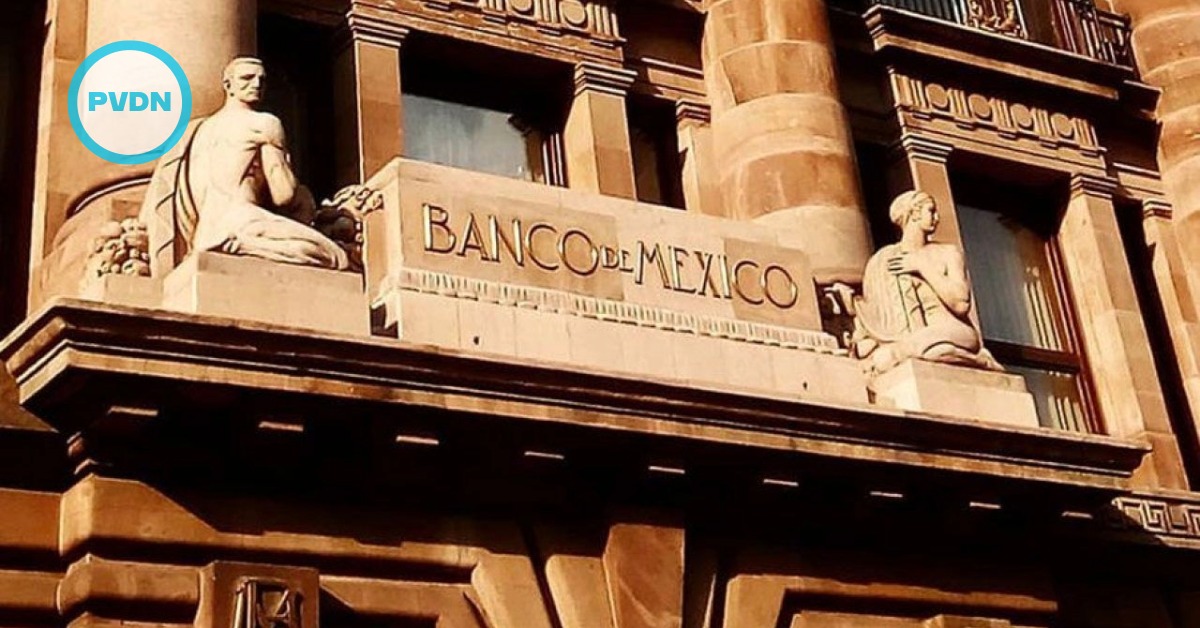
Banxico says the Mexico financial system stayed solid in 2025, with banks well capitalized even as global risks climbed.
The Bank of Mexico’s new Financial Stability Report for December 2025 paints a picture of resilience in a rough year. The central bank says Mexico’s financial system operated “adequately” through 2025, even as global growth slowed, trade tensions flared and markets adjusted to shifting interest rates. The headline message is clear: banks remain well capitalized, liquid and able to withstand severe stress scenarios.
At the heart of the report is the claim that banks’ capital and liquidity levels stand comfortably above regulatory minimums. Stress tests, which simulate deep recessions and market swings, show the system would absorb sizable shocks without breaching those limits. For ordinary customers, that is the technical way of saying that the risk of a sudden bank-run-style collapse remains low under the scenarios that Banxico tested.
Mexico’s own risk gauges back up that story. The Financial Conditions Index moved into a zone of “relaxation” for the first time since mid-2021, a sign that markets are no longer under acute strain. The Financial Stress Index stayed at a moderate level, and Banxico’s macro-financial vulnerability index did not flash major warning lights. The report even notes that Mexico sits in a lower risk band than the average emerging market, a rare bit of good news in a tense global environment.
Behind those calm indicators sits a large pool of credit. By the end of September 2025, total financing to the non-financial sector reached 102.6 percent of GDP. Public entities absorbed 59 percent of that stock, private companies 24.9 percent and households 18.7 percent. Households, in particular, strengthened their position through more mandatory saving, which helped offset slower growth in consumer credit.
Why the Mexico financial system still looks solid
The composition of that financing matters. Government borrowing continues to take the largest share, but companies and families still have access to loans for investment, housing and consumption. Banxico notes that consumer loan delinquency rose slightly across most banking segments, with payroll loans as the exception. Mortgage delinquency in bank portfolios also ticked up, yet it stayed below its long-term average, while housing loans from public funds remained more stressed.
Non-bank financial intermediaries show a more mixed picture. Overall delinquency in that sector increased a little, and non-regulated entities remain at historically high levels of past-due loans. Those pockets of strain are not large enough to threaten the system as a whole, according to Banxico’s tests, but they underline that credit risk has not disappeared.
Even with those weak spots, Banxico argues that the core banking system could withstand conditions worse than those seen in past crises. Liquidity stress tests suggest that banks could face funding pressures stronger than those experienced during earlier episodes and still meet obligations. In plain terms, the central bank is telling depositors that banks have thicker buffers than before and are better prepared for a shock.
The macro backdrop helps explain why those buffers matter. Mexico’s economy has been growing slowly, narrowly avoiding a technical recession earlier in the year and facing pressure from trade disputes and tariff threats. Global growth has lost steam, and financial markets have been adjusting to new paths for interest rates in the United States and other major economies. In that context, a weak banking system would have turned a modest slowdown into a deeper crisis.
Banxico also highlights how Mexico compares with its peers. Across a range of indicators for the real economy, public finances, external accounts and the financial sector, the country still sits in a relatively favorable position among emerging markets. Debt ratios, foreign-exchange reserves and bank profitability have helped cushion the impact of slower growth and volatile capital flows.
Risks that could still test the banks
The stability report is not a victory lap. The central bank is explicit that external and internal risks could yet test the system’s strength. On the external side, it flags the possibility of sharper geopolitical tensions, unexpected swings in global financial conditions, sudden rating changes on Mexican debt and the chance of a large event in global markets with spillovers into local assets. Inside the country, slower growth, persistent inflation surprises and pressure on public finances top the risk list.
Banxico also calls attention to newer threats, especially climate-related shocks and cyberattacks. The report urges banks and regulators to deepen their tools for measuring these risks and to embed them in everyday risk management. That means better data on how extreme weather could hit loan portfolios and stronger defenses against digital attacks on payment systems and banking infrastructure. These issues are no longer treated as side topics but as central parts of financial stability.
Survey evidence from financial institutions adds another layer. When asked about the main sources of systemic risk, more firms now point to weaker global growth, protectionist trade policies and inflation running above expectations. At home, respondents rank a deterioration in domestic growth prospects as the top concern, followed by higher-than-expected inflation and worries over the public finances. The tone is cautious: the system looks solid today, but expectations about the future have darkened compared with earlier surveys.
Monetary policy is shifting at the same time. In the second half of 2025, Banxico cut its benchmark rate in four consecutive meetings, bringing it down to 7.25 percent. The bank signals that further adjustments are possible, as long as inflation continues to move toward the 3 percent target. Lower rates should, over time, ease borrowing costs for households and firms, but they also require close monitoring of credit growth and risk-taking.
For people with bank savings, the report’s message is cautiously reassuring. There is no sign of a broad solvency problem, and stress tests suggest that even severe global shocks would not push the core system over the edge. For borrowers, the picture is more nuanced. Access to credit remains open, yet pockets of rising delinquency show how quickly stress can appear when incomes are squeezed. A slower economy or a hit to public finances could still turn today’s manageable risks into something more serious.
Banxico closes the document with a familiar promise: it will continue to monitor the data and stands ready to act, alone or with other authorities, if conditions worsen. That may sound routine, but in a year marked by tariff threats, soft growth and rising climate and cyber worries, a still-solid Mexico financial system is not something policymakers take for granted.