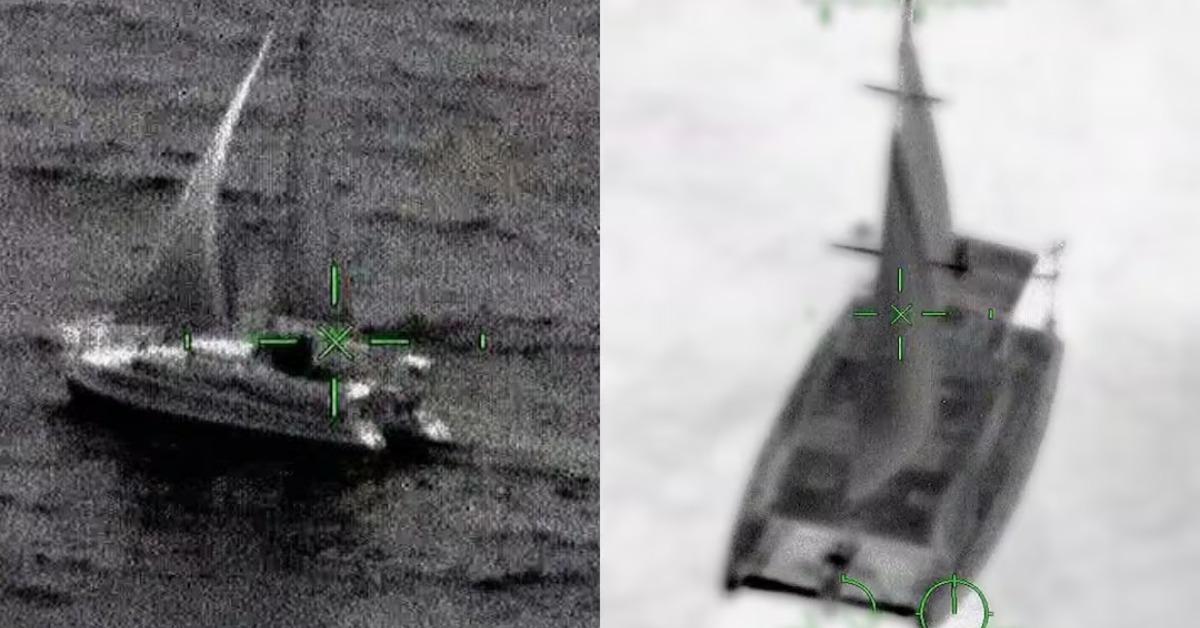
What began as a solidarity voyage from the Mexican Caribbean turned into a cross-border rescue case that drew attention far beyond the region. After days of uncertainty, Mexico’s Navy says it found the two missing aid sailboats near Havana and sent help to the area. The outcome ends the immediate emergency, but the episode also opens a wider story about maritime risk, Cuba’s shortages, and why a small civilian convoy became a matter of national concern.
Mexico’s search ended with the boats in sight
The immediate crisis appears to be over. Mexico’s Navy said it located the two missing Mexican vessels that had been traveling toward Cuba with humanitarian aid and sent assistance to the area.
The boats were found near Havana, ending several days of uncertainty that had turned a small maritime mission into a story followed in Mexico, Cuba, and beyond. Officials said the vessels were located about 80 nautical miles northwest of Havana, after they failed to arrive on schedule, and concern grew over what might have happened in the Caribbean crossing.
That simple update mattered because the story had moved quickly from a delayed arrival to a possible maritime emergency. Once the boats missed their expected arrival window, the focus shifted away from the aid mission itself and toward the crews’ safety. For readers outside Mexico, this is the key development: the vessels were found, the people aboard were reported safe, and the Mexican government moved from search mode to direct assistance.
Why this became bigger than a routine delay
On paper, the route from Isla Mujeres to Cuba does not look like a major international drama. In practice, it became one because the missing vessels were not ordinary private boats on a casual trip. They were part of the Nuestra América convoy, a civilian effort meant to deliver humanitarian supplies to Cuba during a period of severe shortages.
That gave the story a second layer from the start. It was about missing boats, but it was also about the kind of voyage they were making and why. The convoy was carrying aid that organizers said included medical supplies, food, and other basic goods. The mission also carried political meaning, because it was framed as a show of solidarity with Cuba during a prolonged crisis marked by fuel shortages, blackouts, and wider economic strain.
Once contact was lost, the symbolism of the voyage gave way to something more urgent. Even a short route can become dangerous in Caribbean waters if weather shifts, communications fail, or a vessel is pushed off course. Search zones grow quickly at sea. A boat that is only delayed can still trigger a major response because the line between inconvenience and danger is thin when the exact location is unknown.
The role Mexico played in the rescue
This is also a Mexico story, not only a Cuba story. The boats left from Mexican territory, the search involved Mexican authorities, and the statement that brought relief came from Semar, the institution that combines naval and coast guard functions.
That matters because it shows how Mexico’s regional role works in practice. The country was not simply the point of departure. It was the state expected to respond when a mission leaving its shores ran into trouble. In that sense, the incident became a test of search coordination, maritime monitoring, and Mexico’s ability to react quickly in a sensitive international situation.
The fact that the boats were located by a naval aircraft is important. It suggests the rescue effort depended not only on waiting for a distress message or a passing vessel, but on active surveillance and a widening search pattern. Once the boats were spotted, the emergency shifted from not knowing where they were to getting help to them and ensuring they could safely complete the final stretch.
Cuba’s shortages gave the mission unusual visibility
The voyage drew attention because Cuba’s shortages have become harder to ignore. The island has faced recurring blackouts, transport disruptions, and shortages of basic goods. Against that backdrop, even a relatively small aid convoy can attract outsized attention.
That does not mean a few boats can solve a structural crisis. They cannot. But they can symbolize the severity of the problem and the willingness of outside groups to respond. That is one reason this incident mattered beyond the families, organizers, and authorities directly involved. The mission spoke to a broader regional reality in which Cuba’s domestic difficulties continue to produce diplomatic, political, and humanitarian ripple effects.
For international readers, this background is essential. Without it, the story might sound like a narrow maritime update. With it, the picture changes. These were not just late-arriving vessels. They were part of a high-visibility aid effort linked to one of the region’s most persistent crises. That context explains why the disappearance quickly became a matter of national and international concern.
What the episode still tells us, even after the rescue
The rescue does not erase the questions raised by the incident. It still shows how vulnerable small vessels can be in Caribbean crossings, even when crews are experienced, and a route appears manageable. It also shows how quickly an aid mission can turn into a rescue story when communications fail or an arrival is delayed.
There is also a deeper takeaway for Mexico. Maritime stories often feel distant until they touch Mexican territory, Mexican institutions, or a broader regional issue. This one did all three. It began in the Mexican Caribbean, involved a diplomatic mission, and ended with the Navy locating the vessels near Cuba.
That combination helps explain why the story traveled so far so fast. It was never only about two boats. It was about maritime safety, Mexico’s regional role, and the fragile line between symbolic solidarity and real operational risk. The good news is that the immediate danger appears to have passed. The larger lesson is that even small missions in the Caribbean can carry consequences far beyond the deck of a sailboat.
Deep Dive:
Cuba searches for aid boats missing after leaving Mexico