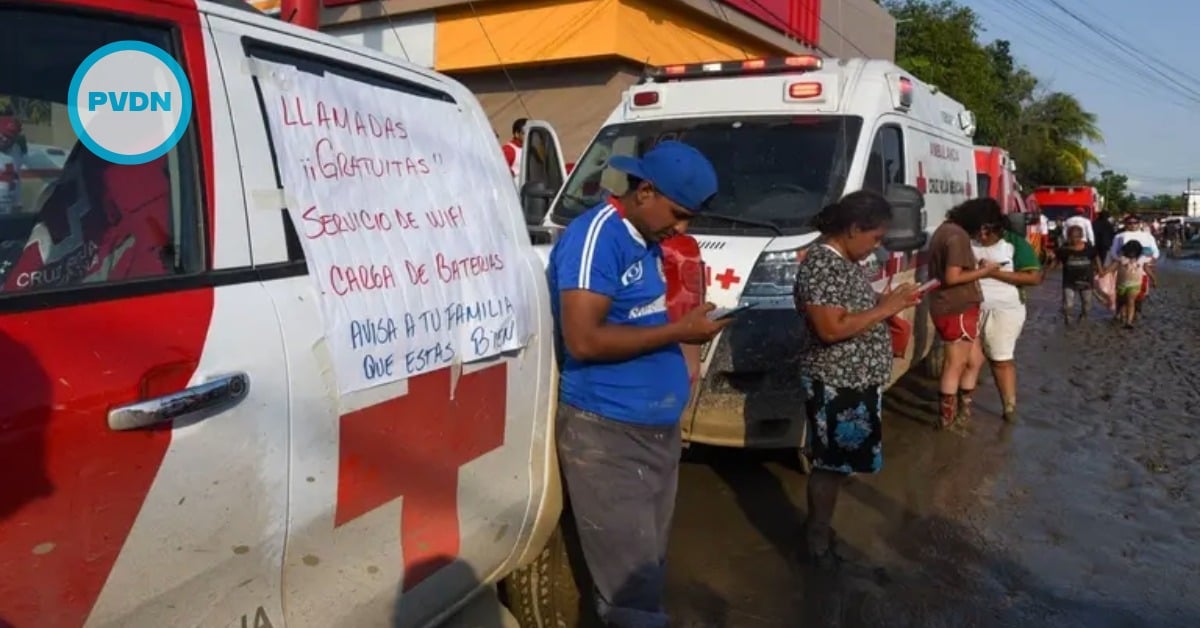
The federal government put real money on the table Monday, announcing Mexico flood reconstruction with an initial MXN 10 billion to help families, rebuild homes and schools, and get people working again. The first payments begin this week across Veracruz, Puebla, Hidalgo, San Luis Potosí and Querétaro. Officials say the total bill will be higher once damage assessments finish, but the goal is quick cash relief now and a second phase for heavier repairs. A stronger flood alert and forecasting system is also part of the plan.
On Monday, October 20, President Claudia Sheinbaum announced Mexico flood reconstruction with an initial MXN 10 billion for direct aid and rebuilding in five hard-hit states. The package focuses on fast cash to families, essential repairs and jump-starting local jobs while full damage totals come into view.
Families will receive a first payment of MXN 20,000, followed by additional amounts based on how much damage each home suffered. Small shops and rural producers will also get targeted support. The administration says more than 70,000 homes are already on the government’s census of damage, a figure expected to rise past 100,000 as crews reach isolated areas. Payouts are scheduled between October 22 and 29 in most states, and October 25 to November 5 in parts of Hidalgo.
Sheinbaum framed the effort around four tracks: emergency response, direct support to affected families, reconstruction, and a stronger system for forecasting, alerts and risk management. That last point matters. Officials plan to harden early-warning tools after days of extreme rain overwhelmed rivers and hillsides across Veracruz, Puebla, Hidalgo, San Luis Potosí and Querétaro. More than 52,000 people have been mobilized for rescue, cleanup and basic services as communities dig out.
Mexico flood reconstruction
The government stresses that MXN 10 billion is only a first step. Sheinbaum said the total rebuild will cost more, with the second phase covering heavier repairs to homes, schools and clinics, plus support to restore local employment. The shift to direct payments replaces the old disaster trust model; authorities note the federal emergency budget is funded and active, and that cash is already flowing under the new approach.
This week’s plan also includes a jobs program to hire 50,000 people for cleanup and reconstruction tasks. That injects income where it’s needed and accelerates recovery work that otherwise stalls for months. As officials keep updating the household census, the aid matrix sets clear tiers: an initial transfer for everyone on the list, then higher amounts for severe damage, alongside separate help for shopkeepers and rural producers.
By Monday afternoon, authorities reported at least 76 deaths tied to the floods, with dozens still missing in remote areas. Road and bridge damage has complicated relief, and some communities remain cut off. The government says airlifts, heavy machinery and temporary shelters will continue while the payment operation rolls out this week.
How the money will be delivered
The first wave of transfers is meant to land quickly: families show identification and a census record at designated delivery points, receive cash assistance and vouchers for essentials, and are queued for second-phase support as damage levels are verified. Officials say this is designed to be simple and fast, avoiding paperwork that slows relief when people need it most. A federal briefing also details timetables by state and explains how schools and clinics will be prioritized in parallel with housing.
There’s also a longer view. Beyond cutting checks, the plan commits to strengthen flood forecasting and cellphone alerting so families get earlier warnings and more time to move to safety. After a storm season that exposed weak spots in drainage, land-use and hillside risk, that investment could save lives the next time heavy rain parks over the Gulf and central highlands. Officials promised regular updates on payouts, reconstruction progress and the rollout of the alert system.