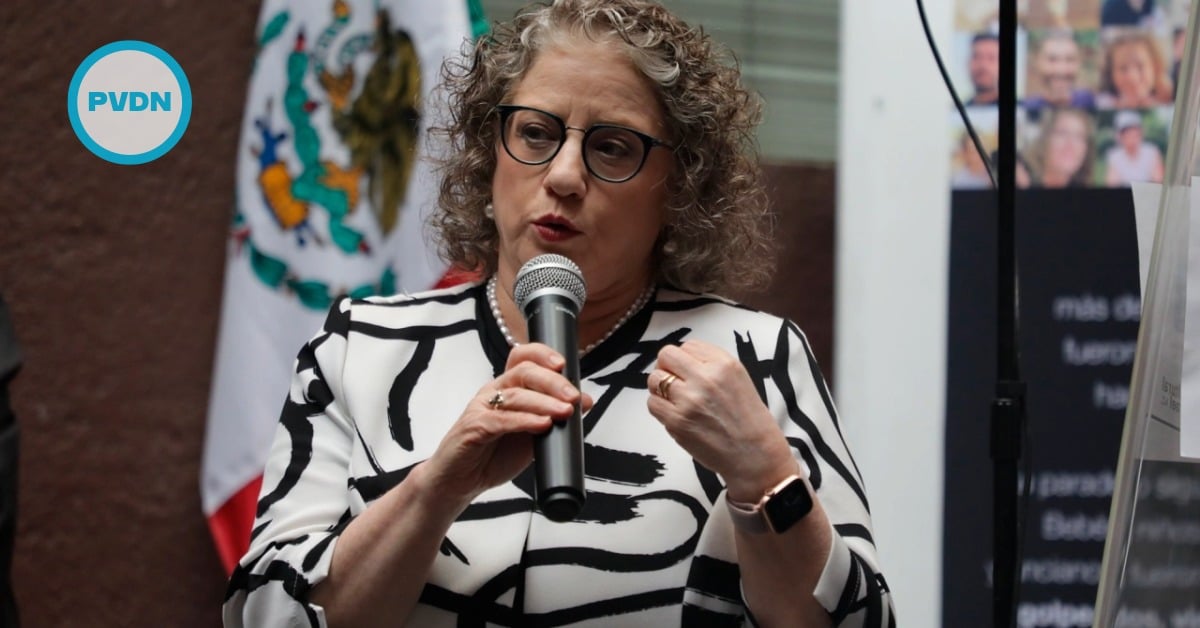
Mexico’s security services, working with foreign partners, quietly disrupted an alleged plan to assassinate Israel’s ambassador, Einat Kranz-Neiger, in Mexico City. U.S. and Israeli officials say the plot, attributed to Iran’s Islamic Revolutionary Guard Corps (IRGC), began in late 2024 and was “contained” by mid-2025. There is no active threat now, those officials added. Mexico has not detailed arrests or methods, but Israeli authorities publicly thanked Mexican counterparts for their help.
The report first surfaced in Mexico through El Sol de México, which cited security sources saying Mexico foiled the scheme. Subsequent confirmations from U.S. and Israeli officials—shared with major international outlets—aligned on the basics: the timeline, the alleged IRGC link, and that the operation was neutralized before summer ended. Mexico’s federal authorities have not issued a comprehensive public briefing, and key operational details remain under wraps.
One name emerged in foreign briefings: Hasan Izadi, described by officials as tied to the IRGC and connected to Iran’s diplomatic footprint in Venezuela. Reporting indicates he played a role in coordinating the effort, part of a broader pattern Western services ascribe to Iranian networks abroad. Iranian officials have not commented in New York; separately, Tehran’s embassy in Mexico has rejected the story in local press as a “media invention.”
Mexico foils Iran plot
How Mexico stopped it is still classified. U.S. and Israeli officials say intelligence sharing helped identify and disrupt the planning stage before an attack team could act. What’s missing are the granular facts that would normally follow: arrests, charges, seized weapons, or a public timeline of movements in Mexico City. In the absence of that paper trail, officials stress that the plan is over and that the ambassador’s security posture has been adjusted.
Israel’s Foreign Ministry publicly thanked Mexico on Friday, underscoring unusually close operational cooperation and raising the profile of the case inside Israel. Spanish-language outlets in Mexico echoed that acknowledgment, reinforcing that Mexico’s side led the disruption on its own soil. Mexico’s Secretariat of Foreign Affairs has not provided a detailed public narrative, and security agencies did not immediately answer questions from international reporters.
The backdrop matters. Security services in Europe and Australia have warned this year about Iranian-directed operations using non-state or criminal networks to stalk dissidents, journalists, and Jewish or Israeli targets abroad. U.S. officials describing the Mexico case place it within that pattern, even as they decline to say whether local criminal groups in Mexico were approached. For now, that link remains an inference—not a confirmed detail of this operation on Mexican soil.
Why this matters for Mexico and the region
Mexico City is a diplomatic capital. A plot against a sitting ambassador inside the city would reverberate through every embassy’s security checklist and raise questions about regional safe havens for foreign operatives. Israel’s thanks was more than protocol; it signaled that Mexico’s institutions moved fast enough to preempt an attack without turning the capital into a staging ground for proxy violence. The diplomatic message to would-be planners is clear: the window for deniable operations here may be narrower than they think.
The regional dimension extends beyond Mexico. Reporting in Europe and Latin America has traced IRGC and allied networks exploring opportunities in the hemisphere, leveraging travel across friendly capitals and diaspora ties. That context is why this case drew swift comment from Washington and Jerusalem—and why it will likely feature in future bilateral talks about intelligence cooperation, embassy security, and legal tools to move faster when threats are detected.
Iran disputes the premise. After the story broke, statements carried in Mexican media framed it as an unfounded narrative. Without public court filings or a Mexican indictment in view, Tehran’s denials will resonate with skeptics. Yet the on-record gratitude from Israel—and the aligned accounts by U.S. officials that the plot was stopped in the summer—carry weight in the absence of a formal Mexican briefing. Expect more pressure on Mexican authorities to release a timeline if doing so won’t compromise sources and methods.
What happens next is procedural, not theatrical. Security around the ambassador will stay tight. Mexico will keep comparing notes with partners, and diplomats across the city will revisit their playbooks. If prosecutors move, expect sealed filings first. And if they don’t—because this was neutralized upstream—expect quiet changes in how threats are flagged, shared, and contained before they ever reach a crowded street in Mexico City.