Mexico’s Finance Ministry says new Mexico healthy taxes could bring in 42 billion pesos next year, with 35 billion from soda alone. Officials call it a double win: less sugar, more money for clinics. Industry pushed back, and lawmakers softened parts of the plan, but the headline numbers remain. The Senate is now poring over the details, including a jump to about 3 pesos per liter on sugary drinks and a smaller fee on zero-calorie versions. Readers want to know what changes and who pays.
Mexico healthy taxes
Mexico’s Finance Ministry says its “healthy taxes” package could deliver 42 billion pesos in extra revenue in 2026. Most of it would come from higher excise on sugary drinks. The ministry told senators that 35 billion pesos would come from soda alone, with another 5 billion from tobacco, about 1 billion from games and lotteries, and 180 million from a new fee on violent video games.
Lawmakers already tweaked the plan after talks with beverage companies, but the heart of it remains. Deputies approved steeper soda rates and sent the package to the Senate. The government frames the move as twofold: lower sugar consumption and a new stream for health programs. That argument now anchors the Senate’s review calendar in Mexico City this week.
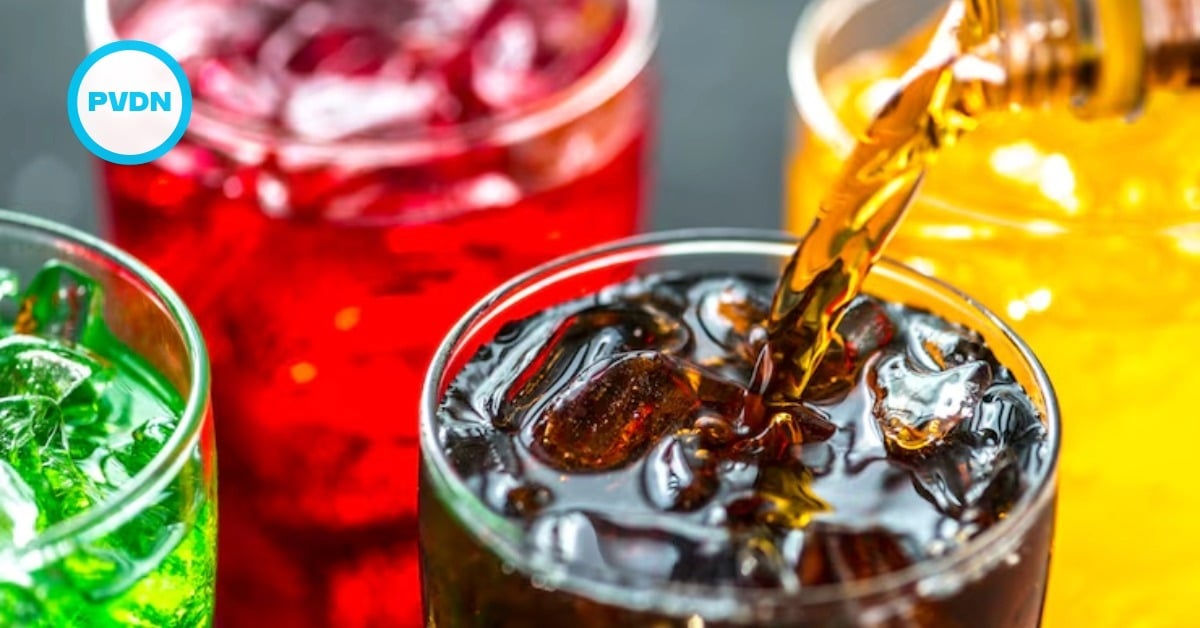
Under the approved lower-house language, the IEPS on sugary drinks would rise from roughly 1.64 to about 3.02 pesos per liter, and a separate 1.5 pesos per liter charge would apply to no-calorie “light/zero” beverages. Tobacco IEPS rises as well, and small levies target betting and violent video games. Senators pressed officials on the expected yield and the public-health rationale during Monday’s hearing.
What changes for your wallet
If the Senate approves the bill, prices for many sodas will rise in January. Companies negotiated softer edges, including a staged approach and a reduced bite on some products, alongside promises to cut sugar across their portfolios. Coca-Cola, for example, pledged deeper calorie reductions during the debate, signaling a wave of reformulations if the plan becomes law. Those concessions helped keep industry at the table while the government maintained its revenue target.
Officials argue the soda tax works. Mexico first adopted a per-liter levy in 2014. Independent evaluations linked it to fewer purchases, especially among lower-income households, and to higher bottled water sales. Health advocates see the bigger 2026 rates as a logical next step, given obesity and diabetes burdens. One recent review by public health researchers documented reduced sugary drink purchases following the original tax.
Critics counter that excise hikes can feel regressive at checkout. The government replies that curbing harmful consumption saves households money and that the new pesos will shore up clinics and chronic-disease care. The Finance Ministry repeated that message to senators while underlining the ₱42 billion figure and the ₱35 billion soda share. The chamber’s communications arm echoed the exact breakdown after the meeting.
Where the debate goes next
The Senate still holds the pen. Members are combing through the bill’s fine print, including exemptions for medical rehydration products and the scope of the video-game rule. The passage would lock in January changes. Delay would keep the door open for more tweaks with the industry. Either way, the direction is set: Mexico healthy taxes are now a central pillar of the 2026 budget strategy as the government tries to bolster health funding without a sweeping tax overhaul this year.