Mexico’s February inflation rate reached 4.02%, but that headline number does not fully explain what many families are seeing at the market, in restaurants, or in school-related costs. Fresh produce jumped, meals away from home kept getting pricier, and several everyday services stayed elevated. The result is a familiar disconnect. Official inflation looks moderate on paper, but the categories people buy most often can make the increase feel sharper than the national average suggests.
Why the official number does not always match daily life
Mexico’s annual inflation rate rose to 4.02% in February, moving back above the central bank’s target range. On paper, that is an important economic signal. In daily life, it can feel like something else. Inflation is an average, and averages flatten the experience of households that spend heavily on food, transport, school costs, and meals away from home. A national index can show moderate pressure, while a family still feels squeezed by the items it buys every week. That gap matters in February’s report. The overall monthly rise was 0.50%, but the pain was not spread evenly across the basket. Some items fell, including LP gas, eggs, and chicken. But those declines were offset by strong increases in categories people notice quickly. That is why the headline number is useful, but incomplete. For many households, and for many expats tracking the cost of living in Mexico, the real question is not whether inflation hit 4.02%. It is which prices moved first, and which ones are still moving.
The market basket told a different story
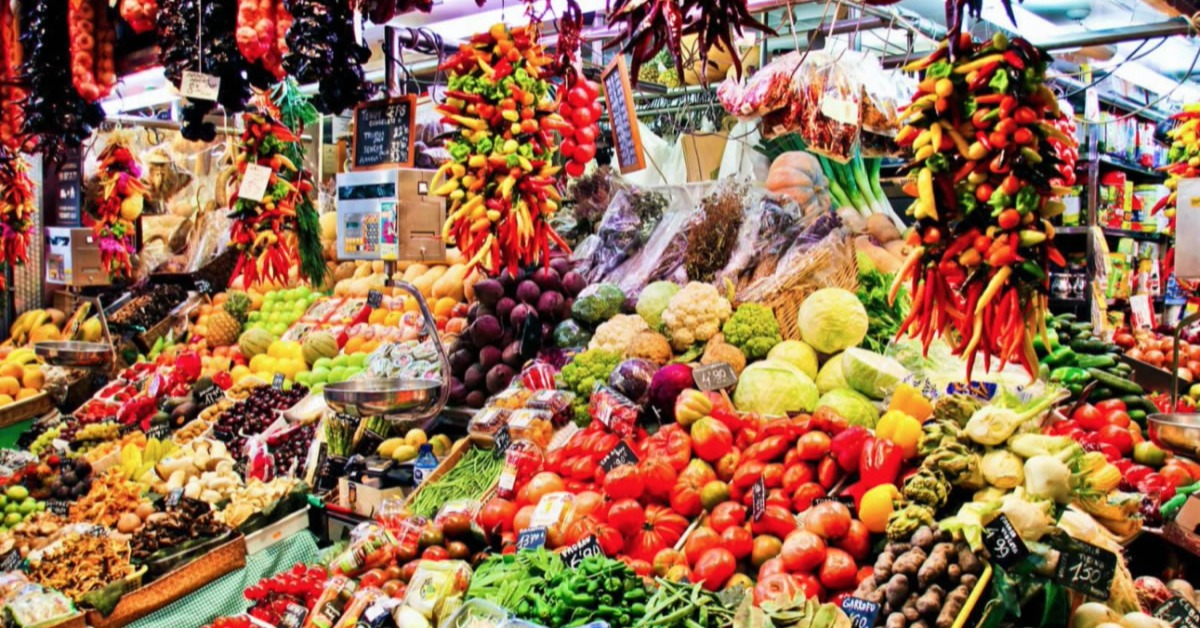
The clearest pressure in February came from fresh food. The non-core index rose 0.64% in the month, driven in large part by a 4.94% jump in fruits and vegetables. Among the biggest movers were jitomate, potatoes and other tubers, tomato verde, lemons, and bananas. Those are not occasional purchases. They are staples in many Mexican kitchens and common items in weekly shopping trips. When that part of the basket rises fast, inflation feels immediate. It is visible in a single receipt. That is also why household sentiment can worsen even when other categories stay contained. The official minimum consumption basket rose 0.52% in the month and 3.84% over the year. That was slightly below the headline rate, but it still showed broad pressure in essential goods. The issue for consumers is timing and frequency. A one-time increase in a durable product may go unnoticed for months. A jump in produce prices is felt the same day. February’s inflation report is a reminder that food inflation can shape public perception faster than any headline figure.
Services kept adding pressure after the grocery run
Food was not the whole story. The more persistent issue was in services, where prices tend to move more slowly and stay elevated longer. That matters because households do not only buy groceries. They also pay for meals outside the home, health care, education, and routine services that are harder to postpone. In February, the annual rate for restaurants and accommodation services reached 7.22%. Health rose 5.21%, and education services increased 6.03%. Within the core index, services remained firm, helping keep annual core inflation at 4.50%, above the headline rate. That is a key distinction. Fresh produce can swing sharply from one month to the next. Service prices usually do not fall back as quickly. Once restaurant prices, school fees, or personal services move higher, they tend to stay there. That is why many households feel inflation as a steady erosion, not a short shock. Even when fuel or utility costs ease, recurring service expenses can keep overall budgets under pressure. In practical terms, February looked like a month where the grocery bill jumped fast, while the rest of the household budget never really stopped climbing.
What this means for families and for the next rate decision
For consumers, the February report suggests that cost-of-living pressure remains real even if inflation is not surging across every category. For policymakers, the story is slightly different. The central bank focuses closely on core inflation because it gives a better read on underlying price pressure. That measure stayed at 4.50% in February, which helps explain why rate cuts are no longer a simple call. Banco de México kept its policy rate at 7.00% in February and is now balancing weaker growth against sticky inflation. The next decision is scheduled for March 26. For households, though, the practical takeaway is simpler. The February number was not only about macroeconomics. It was about where inflation is landing. When produce jumps, when taquerías and fondas raise prices, and when services keep inching upward, families feel more strain than the headline alone suggests. That is the deeper story behind Mexico’s 4.02% inflation rate. The national average matters, but the categories people live with every week matter more.