Mexico’s inflation kicked off the new year with a slight uptick. The annual rate in January came in just under 3.8%, a notch above December’s level. Core prices – those filtered to exclude volatile items – also climbed. Some everyday items got pricier, like cigarettes and soft drinks, while others turned cheaper after the holidays, such as airfare and eggs. The mixed trends signal that Mexico’s battle with inflation isn’t over yet. What’s behind this latest rise, and what does it mean for consumers and the central bank?
Inflation Edges Higher in January
Mexico’s consumer prices rose 3.79% in January compared to a year earlier, according to the national statistics agency. This marked a modest acceleration from the 3.69% rate recorded in December. The figure was slightly below analysts’ predictions (surveys had pointed to about 3.82%), but it still shows that price pressures picked up at the start of 2026. On a monthly basis, the price index increased 0.38% in January, a faster climb than December’s 0.28%—reflecting typical beginning-of-year adjustments in costs.
Beneath the headline number, core inflation remained stubbornly high. Core inflation – which strips out volatile food and energy prices – reached 4.52% year-on-year in January, up from 4.33% in December. This key gauge of underlying inflation is running above the central bank’s comfort zone (Banxico targets 3%, with a tolerance up to 4%). In fact, core inflation is at its highest level in nearly two years, indicating persistent momentum in the prices of goods and services. Economists note that this uptick coincided with structural price shocks in January, including tax increases and wage hikes, which can ripple through many consumer prices.
Mixed Price Movements in Everyday Goods
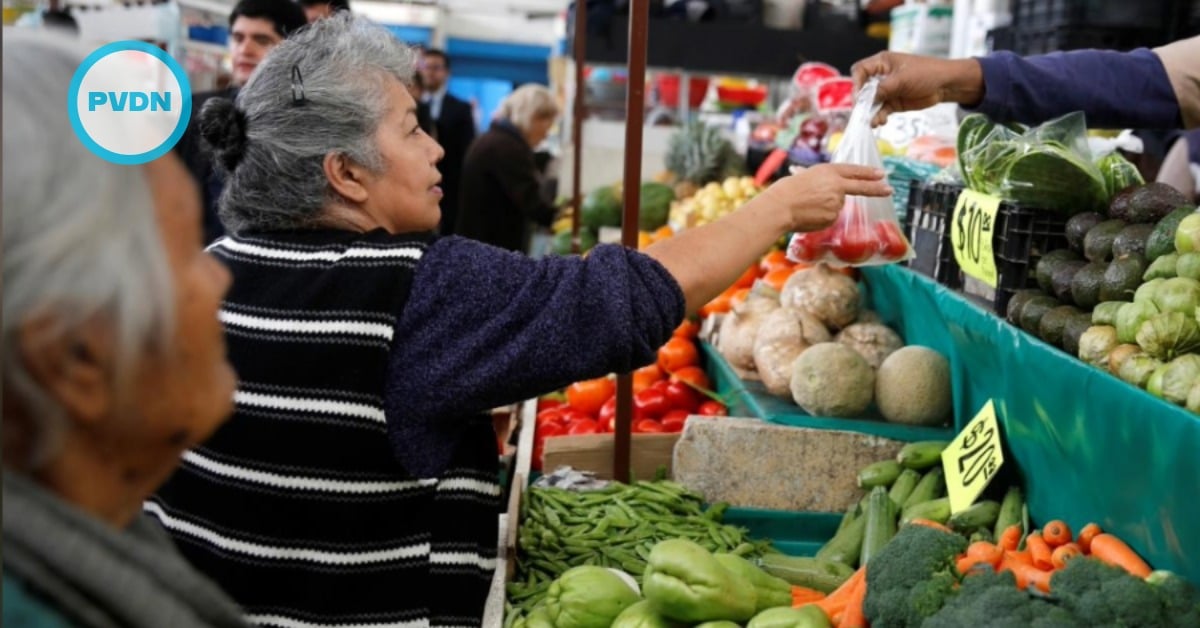
A closer look at January’s data reveals a mix of notable price hikes and some welcome price drops for Mexican consumers. On the plus side for inflation, cigarettes and sugary soft drinks saw the largest price increases last month. Cigarette prices leapt by roughly 15% in January, and bottled soda prices climbed over 5%. These sharp increases were largely anticipated – the government raised excise taxes on tobacco and sugary beverages as the new year began, immediately making those products more expensive. Many restaurants, cafés, and street food vendors (from casual lunch spots to taco stands) also raised their menu prices in January. This was likely influenced by higher input costs and a significant increase in the national minimum wage that took effect on January 1, which has boosted labor costs. In grocery stores, some staples also became pricier; for instance, certain fruits like bananas and limes rose in price due to seasonal supply swings.
On the other hand, several goods became cheaper in January, providing a bit of relief to household budgets. The most dramatic drop was in airfares, which plunged over 30% after the peak holiday travel season passed – a typical January decline as demand for flights normalizes. Egg prices also fell by about 6% for the month, a welcome reprieve after the high costs seen in some previous periods for this kitchen staple. Additionally, domestic LP gas (cooking gas) was nearly 3% cheaper in January, aligning with softer global energy prices and government efforts to stabilize fuel costs. Other seasonal declines were observed in categories such as winter produce and packaged tour services, which both saw holiday-related price surges in December and then moderated. These downward shifts helped counterbalance the increases in other items, preventing the overall inflation rate from climbing even higher. Still, the combination of costlier everyday treats (like cigarettes, soda, and eating out) and only modest relief in other expenses means near-term pressure on household finances. Both families and businesses are feeling a pinch: consumers pay more for certain goods and services, while small businesses face rising costs for materials and wages that they may pass on to customers.
Central Bank Reaction and Outlook
Mexico’s central bank, Banxico, has noted this nuanced inflation picture. Just last week, Banxico decided to hold its benchmark interest rate at 7.00%, pausing an easing cycle that had gradually brought rates down over the past two years. Policymakers opted to stand pat in the face of January’s inflation uptick, especially the sticky core inflation. In their decision, they cited the need to evaluate the impact of the new taxes and the substantial increase in the minimum wage on prices. The central bank also acknowledged that inflation is likely to take a bit longer to return to target. In fact, Banxico revised its inflation forecast upward, now projecting that inflation will end this year closer to 3.5% rather than the 3% goal, signaling that it sees these price pressures lingering for a while.
By holding rates steady, the bank is showing caution. It wants to ensure that the trend remains downward before resuming any interest rate cuts. Officials have indicated that once the temporary effects from the tax adjustments and wage increases fade, inflation should resume its downward path. Many analysts expect that if price growth indeed eases in the coming months, Banxico could restart gentle rate cuts by mid-2026 – perhaps as early as May or June with quarter-point reductions. For now, though, the message is clear: the central bank’s priority is to keep inflation in check. That patience is meant to safeguard consumers’ purchasing power by preventing a resurgence of high inflation. All eyes will be on the next inflation reports to see if January’s price pop is a one-off blip or the start of a more persistent challenge in 2026.
With information from El Financiero, El Economista