Real estate is back on the table in Mexico, but investors are picking their spots. A new CBRE sentiment survey suggests most plan to keep or expand exposure in 2026, with Mexico City regaining its lead as the market to watch. The headline sounds bullish, yet the fine print is more interesting: sector priorities are rotating, financing assumptions are shifting, and a few risks could still chill the mood. Follow the numbers, and you’ll see where capital may land next—and what that could mean for renters, buyers, and anyone building a life in the capital.
Confidence returns but stays selective
After a jittery year for deals, real estate investors in Mexico are sounding steady again. CBRE Mexico’s first-quarter 2026 sentiment survey finds 83% plan to keep or increase exposure to property. That headline hides an important split. Most respondents, 59%, expect to hold allocations roughly flat. Another 37% plan to raise them, and 20% of respondents aim for increases above 10%. Only about 2% anticipate cutting back. For many investors, holding steady is a decision, not a delay, after months of repricing. They are watching the gap between buyer and seller expectations narrow, which helps deals clear. The mood is less about rushing in and more about returning to work. Across borders, CBRE surveys also show many investors plan to buy more in 2026. CBRE leaders describe a market with tighter pricing discipline and more selective transactions. In practical terms, investors are chasing reliable cash flow, but they want it at a fair price. Lower expected debt costs and firmer rent outlooks are doing much of the heavy lifting, even if risks linger.
Mexico City retakes the lead
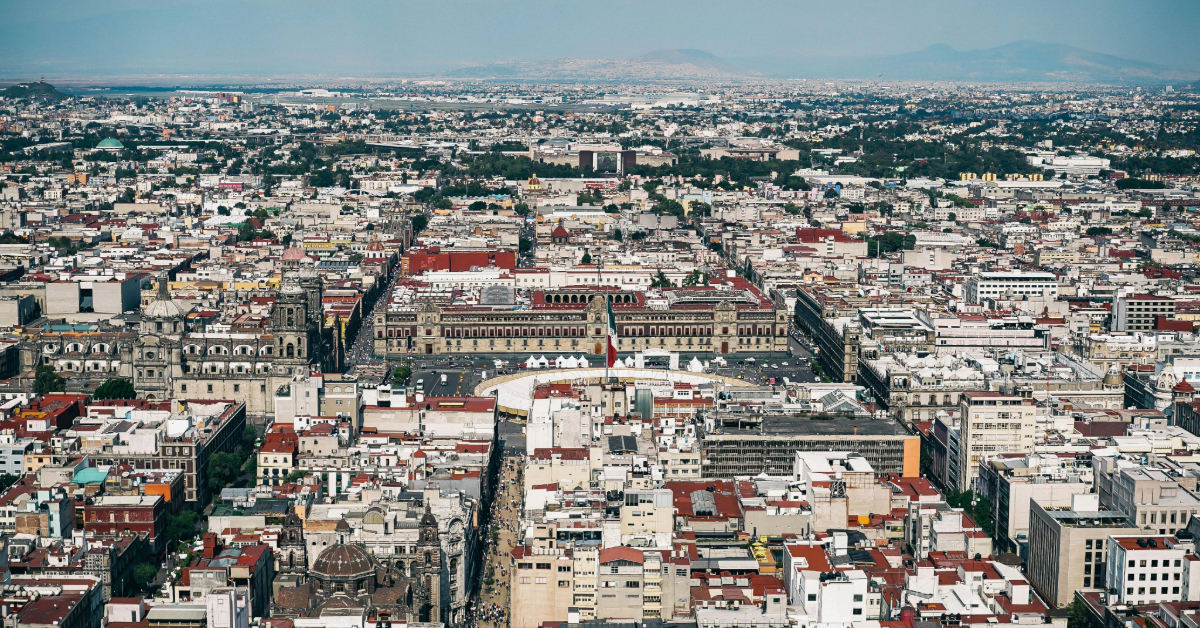
The strongest signal in the survey is geographic: Mexico City is back at the top. Investors named the capital their top destination, with 40% of preferences, up from about 28% a year earlier. Monterrey held second place at 25%, a reminder that nearshoring still has a northern pull. Tijuana, by contrast, slipped from roughly 15% to just under 10%. Mexico City’s advantage is not only size. It offers deeper liquidity, greater tenant diversity, and more exit options. Many investors also see the capital as more resilient when growth slows elsewhere. For cross-border buyers, it can reduce the learning curve, because deal structures feel familiar. The metro area can pair offices, retail, housing, and logistics in one market story. For expats, that concentration matters in everyday terms. When institutional capital leans into the city, it often shows up as building upgrades, better management, and new rental supply in well-connected neighborhoods. But it can also intensify competition for the best-located homes, keeping rents sticky even as more units arrive.
Industrial still leads but the mix is changing
Sector preferences also reveal a quiet shift. Industrial and logistics properties still lead, with 35% of investors ranking them first. That share is down from 49% a year ago, which suggests diversification is returning. Part of the change is valuation: prime warehouses have become harder to buy at yesterday’s yields. Even so, the industrial story remains strong. CBRE points to net absorption of 2.46 million square meters in the third quarter of 2025, above the 2021 level. Retail is the clearest comeback, reaching 18% of preferences as foot traffic and formats stabilize. Data centers, at 8%, are moving from niche to necessity, pulled by cloud demand and AI workloads. Those projects, however, depend on power, permits, and long lead times, so selectivity is high. Offices accounted for 15% of preferences, a sign that “flight to quality” buildings are still trading. Hotels captured 13%, supported by business travel and Mexico’s durable tourism engine. Multifamily rentals reached 11%, reflecting a search for steady income in cities with tight housing supply.
Rates and rents will decide how much gets deployed
The survey’s optimism rests on a specific macro bet: calmer inflation and a gentler rate path. CBRE’s 2026 scenario assumes inflation of around 3.6% and GDP growth of nearly 1.2%. Recent data are close, but not perfect. Mexico’s annual inflation was 3.79% in January, and core inflation has been above its comfort zone. Banco de México held its policy rate at 7.00% on February 5, signaling caution about cutting too fast. For real estate, that matters because debt costs set the floor for pricing and cap rates. If financing eases, more sellers will meet the market, and transactions can restart. If it doesn’t, investors will continue to demand discounts and stronger rent growth. Meanwhile, home values continue to rise, with the SHF housing price index up 8.9% year over year as of late 2025. The bigger risks sit outside spreadsheets: trade tensions, permitting delays, energy constraints, and security concerns that can derail timelines.
What it means for expats in Mexico City
For expats living in Mexico, investor sentiment can feel abstract until it hits the street. More capital usually means more renovations, more mixed-use projects, and more professionally run rentals. The survey’s renewed interest in multifamily is notable because purpose-built rentals are still scarce in Mexico City. Over time, that can raise standards across maintenance, security, and clearer lease terms. In the near term, though, rising investment can also keep pressure on the most walkable neighborhoods. If you rent, expect landlords to watch market comps closely and price their properties accordingly. If you buy, the takeaway is not to rush. Prices have been climbing faster than inflation in much of the country, and financing remains expensive. Look for buildings with solid administration, transparent maintenance funds, and good seismic design. And keep an eye on rates and the peso: even small moves can change what “affordable” feels like from one quarter to the next.