Mexico’s housing problem isn’t just about sticker shock. It’s about a pipeline that’s drying up. New-home registrations have fallen hard over the past decade, even as divorces rise, households shrink, and more people compete for the same neighborhoods. The result shows up in familiar ways: fewer decent rentals, pre-sale delays, and prices that feel detached from local paychecks. Behind the headline numbers are structural bottlenecks and a quiet shift toward pricier homes. Here’s what the data says—and what it means for buyers and renters in 2026.
A decade-long drop that finally feels visible
Mexico’s formal new-home pipeline has been thinning for years, but 2025 is when it became hard to ignore. Registered new-home units tracked through the country’s main housing registry fell from roughly 600,000 in 2015 to about 248,000 by the end of 2025. That’s not a gentle slowdown. It’s a structural contraction, and it matters because registrations are a forward-looking signal: fewer projects in the system today usually means fewer keys handed over tomorrow.
It’s also not just a paperwork story. The physical production of new homes has been shrinking, too. Over the past decade, the country has delivered far fewer newly built units each year than it used to, leaving more families to compete for resales, informal self-built housing, or already tight rentals.
Demand didn’t pause, it got more complicated
Housing demand rarely “falls” in the way demand for a gadget might. People still need a place to live, even when buying becomes harder. What changed in Mexico is the shape of demand: more households, smaller households, and more churn.
Divorce is part of that. When separations rise, one household can become two, and that multiplication effect shows up quickly in rental demand. Add in young adults forming households later but still wanting independence, internal migration toward job markets, and the steady pull of safer, better-serviced neighborhoods, and you get a market that feels permanently short of breathing room.
For many expats, the demand story is visible at street level: a wider gap between what locals can comfortably pay and what landlords can charge in “international” neighborhoods, plus a growing preference for tenants who can prove stable income and handle larger deposits. Even if you’re not buying, the shortage finds you.
The squeeze isn’t just fewer homes, it’s fewer affordable ones
The most important detail is what kind of housing stopped getting built. New construction has shifted away from the lowest-priced segments and toward mid-market products. Over the last decade, the share of new production classified as the least expensive housing has nearly vanished, while mid-tier categories expanded.
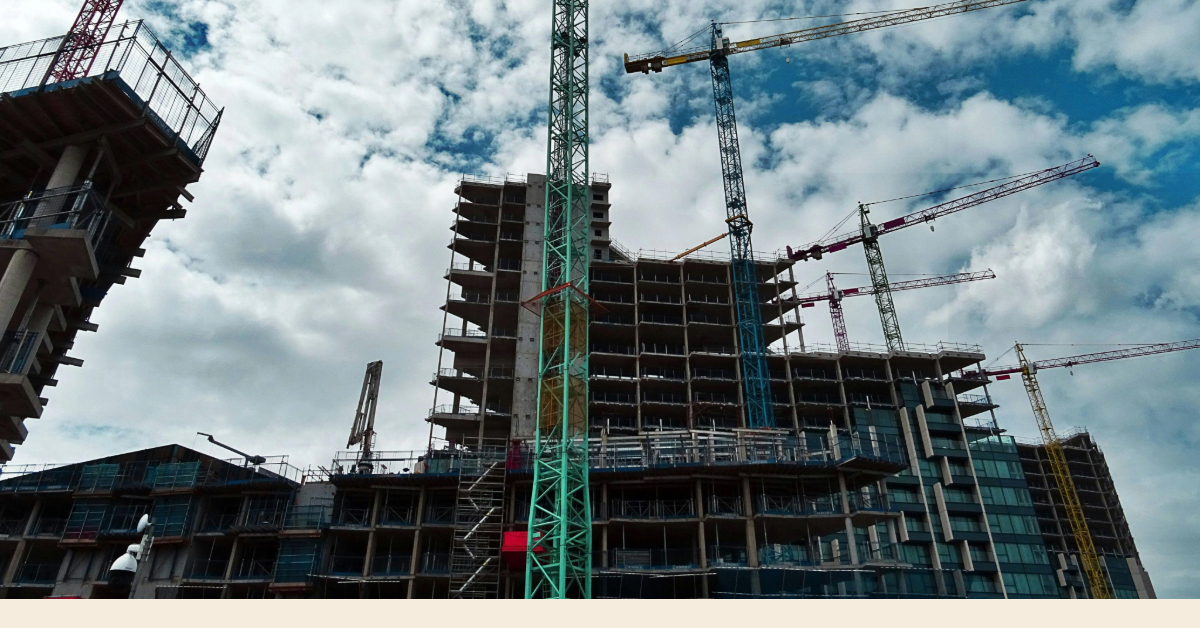
That shift helps explain why the market can feel paradoxical: cranes on the skyline, glossy marketing for new towers, and yet a chronic shortage for everyday budgets. When supply concentrates in higher price bands, it doesn’t “trickle down” fast enough to relieve pressure at the prices most people actually pay. Instead, the stress transfers to resales and rentals, pushing up prices across the board.
Prices rose faster than the incomes that matter
Mexico has seen real wage gains in recent years, but housing prices have moved even faster. Over the last decade, the average price per square meter for new homes financed through a mainstream worker mortgage rose sharply, and the national index for new-home prices posted similarly steep growth.
For buyers, that creates two separate problems. First is qualifying: even if you can make a down payment, monthly affordability becomes the choke point when prices rise faster than paychecks. Second is selection: when developers can only make projects pencil out at higher price points, entry-level options disappear, and “starter home” becomes a hunt for resale.
For expats paid in foreign currency, this can look like a simple advantage. In practice, it’s mixed. You may have more purchasing power, but you’re also buying into a market where supply is thin, timelines can slip, and the competition for well-located, well-built units is intense. The premium isn’t just the property. It’s certainty.
A housing backlog that won’t be fixed by one program
Mexico’s housing challenge isn’t only about new construction. A large share of the country’s housing stock is in “rezago,” a backlog that includes homes needing major improvements, expansions, or replacement. That backlog runs into the millions of dwellings, which puts the scale of the problem into perspective: even strong annual construction numbers don’t automatically erase years of accumulated need.
The federal government’s flagship housing initiative sets an ambitious goal for new construction over the current six-year term, with a focus on lower-income households. It’s a meaningful signal, especially if it can deliver homes that are truly well-located and connected to services. But even under optimistic assumptions, it’s tackling a moving target: new households form every year, and the backlog continues unless upgrades and self-build support scale alongside new builds.
What this means for renters and buyers in 2026
If you’re renting, the story to watch is turnover. In a tight market, landlords have leverage, and the best units get snapped up quickly, often before they hit the wider market. Expect more screening, shorter negotiation windows, and sharper rent resets in neighborhoods with strong demand.
If you’re buying, the main risk is not just price. It’s execution. When supply is thin, buyers tolerate more uncertainty—pre-sales with long delivery dates, optimistic amenity promises, and contracts that are not always written with a consumer-friendly balance. In this environment, patience and due diligence are not virtues; they’re financial defenses.
And if you’re simply trying to understand Mexico’s trajectory, the headline isn’t “a bad year.” It’s a decade-long supply problem colliding with social change. Until the pipeline grows again—and grows in the segments where demand actually lives—the housing squeeze will keep shaping daily life, from rent negotiations to commute times to who can stay in the neighborhoods they’ve built a life around.