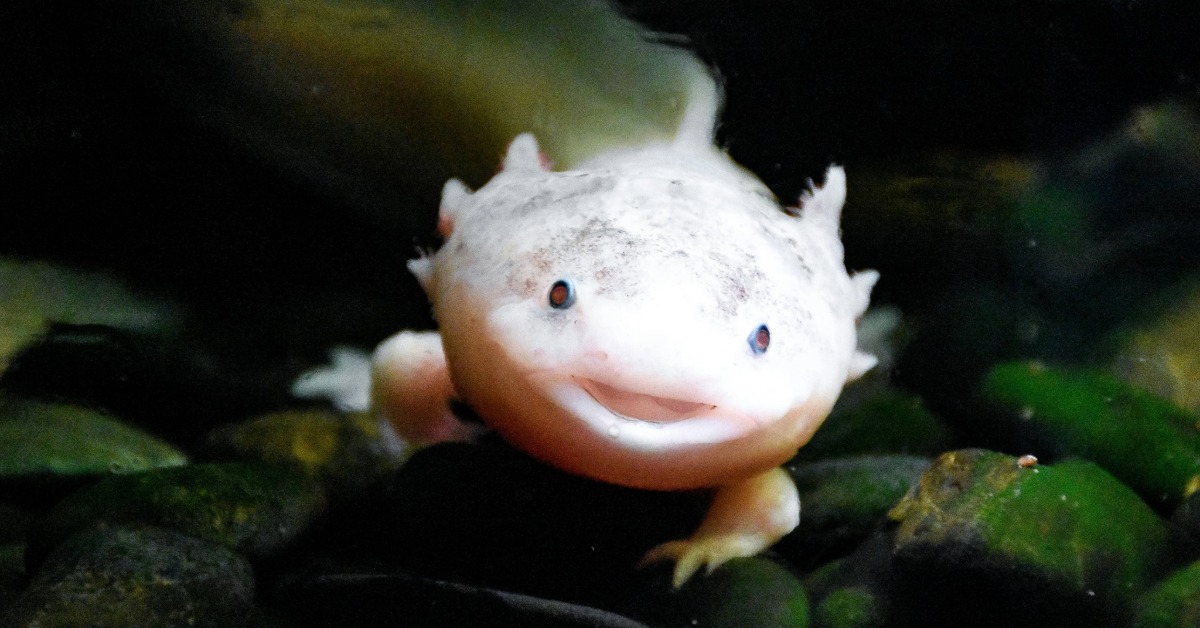
Mexico’s beloved axolotl has its own day, and one museum in Mexico City is pulling out all the stops for the 2026 celebration. Axolotitlán – part aquarium, part cultural center – invites the public to get up close with these legendary “water monsters” through special exhibits and activities. It’s a fun way to learn about an endangered species that holds a unique place in Mexico’s heritage. But behind the festivities is a serious mission: to help save the axolotl from extinction.
On February 1, Axolotitlán will come alive with a festival unlike any other. Families, students, and curious visitors are expected to gather at this unique museum, entirely dedicated to the axolotl, to honor Día Nacional del Ajolote (National Axolotl Day). The celebration isn’t just about appreciating an adorable creature; it’s about raising awareness that this iconic amphibian is in serious trouble. For one day, science, art, and community spirit will combine in a joyous tribute to a tiny salamander that Mexico holds dear.
A Day for the Endangered “Water Monster”
Each year on the first of February, Mexico celebrates the axolotl (or ajolote in Spanish) – a rare salamander native to the lakes of the Valley of Mexico. This official National Axolotl Day was established in 2018 to draw attention to the species’ plight and its importance in Mexican culture. Legend has it that the axolotl is named after Xólotl, an Aztec deity who transformed into a “water monster” to escape punishment. Fittingly, the little creature has become a symbol of resilience. It even appears on Mexico’s 50-peso bill and has inspired countless stories, art, and research.
But the axolotl’s fame contrasts with its fragile reality. In the wild, it survives only in the canals of Xochimilco in southern Mexico City, where it once thrived in abundance. Biologists estimate that just a few decades ago, thousands of axolotls swam these waters; today, finding even a handful is rare due to urbanization, pollution, and invasive fish that prey on them. The axolotl is classified as critically endangered – on the brink of extinction in its natural habitat. This is why National Axolotl Day is more than a celebration: it’s a call to action to protect a creature that is both a national treasure and a scientific marvel. (In fact, the date was chosen right after scientists published the axolotl’s genome in 2018 – the largest genome ever sequenced – highlighting how extraordinary this animal truly is.)
Axolotitlán: Mexico City’s Axolotl Haven
The heart of the 2026 festivities is Axolotitlán, the National Axolotl Museum, which has quickly become a beacon for axolotl conservation. Opened in late 2021 as the first museum of its kind, Axolotitlán was created by a dedicated foundation with a clear mission: to save the axolotl from extinction and educate the public in the process. Tucked away in a green corner of Mexico City, the museum looks nothing like a traditional gallery – it’s a “living museum” consisting of geodesic domes housing live axolotls, interactive exhibits, and even a working laboratory. One dome serves as an ajolotario (a refuge and breeding area for axolotls) where these extraordinary amphibians glide through aquarium tanks, greeting visitors with feathery gills and curious smiles. Another dome features art installations and educational displays that explain the axolotl’s biology, cultural significance, and the reasons it’s under threat. There’s also a small shop offering axolotl-themed crafts and souvenirs, with proceeds supporting conservation. (Future plans even include an on-site “axolotl hospital” and expanded research facilities, underscoring the museum’s commitment to the species’ survival.)
Axolotitlán is more than a museum – it’s part wildlife sanctuary and part community hub. Throughout the year, it hosts workshops for kids, talks by scientists, and art events, all centered around the axolotl. The approach is hands-on and heartfelt: visitors can observe real axolotls up close and even “adopt” one symbolically to contribute to its care. This direct, interactive style has made Axolotitlán a popular spot for school groups and curious travelers alike. It’s also a refuge for people who want to get involved in conservation without leaving the city. As the museum’s team often reminds visitors, saving the axolotl isn’t just the job of scientists – it’s something everyone can help with, even if it starts by simply learning and spreading the word.
Science, Art, and Family Fun in 2026
For the sixth annual National Axolotl Day celebration, Axolotitlán is planning an all-day event that mixes education with entertainment. The theme running through every activity is conservation, but in the spirit of celebration, it’s delivered in the most engaging ways. From morning until evening on Sunday, February 1, the museum’s grounds will be buzzing with energy.
Live axolotl exhibitions will be a highlight, of course. Attendees can meet some of the resident axolotls, including a few celebrity salamanders affectionately named “Gordita” and “Yectli.” Watching these little “water monsters” paddle around is enchanting for adults and kids alike, and it sets the stage for deeper conversations about their ecology. Nearby, a Cultural Pavilion will showcase a photo exhibition by local artists, capturing the axolotl’s charm and the beauty of its wetland home. There’s even a Mercadito Axolotero, a mini-market where visitors can snack on locally made treats and browse crafts, toys, and eco-friendly products all themed around the axolotl. It’s a chance to take home a piece of the experience – perhaps a hand-painted axolotl figurine or a T-shirt – and support local artisans who share the conservation message.
Indoors, one dome will transform into a small theater, screening documentaries and animations about the axolotl. You can catch films like Ahora soy un axolote (“Now I Am an Axolotl”) and Monstruo de Agua (“Water Monster”), as well as Axolotitlán’s own short films that chronicle real-life efforts to bring the species back from the brink. These screenings offer a fascinating dive into science and history – imagine learning about the axolotl’s regenerative superpowers or the ancient Aztec legends that once cast it as a mythical twin of the god Quetzalcóatl.
What truly sets this event apart is the interactive programming. Conferences and talks by experts from institutions like UNAM (Mexico’s National University) are scheduled throughout the day. They’ll share insights on axolotl genetics, the latest conservation projects, and what makes this creature so biologically unique. Don’t worry if you’re not a scientist – the talks are geared for a general audience, so anyone can appreciate topics like “regenerating without magic” (revealing how axolotls regrow limbs) or “saving the axolotl through its DNA” (discussing genetic research and breeding programs). These sessions give attendees a rare chance to ask questions directly to the scientists who study axolotls in laboratories and in the wild.
To balance out the science, there’s plenty of art and play. A local theater troupe will perform a special play inspired by the axolotl’s story, weaving together folklore and facts in a family-friendly show. There’s even a scheduled appearance by the Luchador Ajolotl – yes, a wrestler mascot inspired by the axolotl – who promises a fun show blending Mexico’s love of lucha libre wrestling with environmental humor. It’s the kind of quirky, only-in-Mexico element that makes the day memorable and keeps the mood light-hearted. Meanwhile, kids (and adventurous adults) can join hands-on workshops to learn, for example, how to build a mini wetland or make axolotl art, giving them a creative way to connect with the theme.
By late afternoon, as the festivities wrap up, visitors will not only have enjoyed themselves but also learned something meaningful. Axolotitlán’s Director and volunteers will lead a closing session summarizing the day’s message: why the axolotl matters and how everyone can help. Importantly, every ticket sold (priced at 100 pesos for adults and 50 for children) goes directly into funding the museum’s conservation work, from maintaining the axolotl breeding tanks to supporting habitat projects in Xochimilco. In other words, by simply attending, people are contributing to the axolotl’s survival. As the organizers like to say, this is one celebration where having fun and doing good go hand in hand.
Conservation Efforts Continue Beyond the Party
The excitement of Ajolote Day is just one part of a much larger effort to save this species. Even after the festival lights dim, scientists and conservationists in Mexico will continue working tirelessly to pull the axolotl back from the edge of extinction. The challenges are huge: the canals of Xochimilco – the axolotl’s only wild home – have suffered from decades of environmental degradation. Once-clear waters are now troubled by pollution and by invasive species such as tilapia and carp, which outcompete axolotls and even eat their eggs. Urban sprawl has encroached on the wetlands, and climate change poses new threats to the delicate ecosystem. Facing all this, the axolotl has become a rallying symbol for environmental action. As one researcher put it, “the axolotl cannot survive without Xochimilco, and Xochimilco cannot survive without the axolotl” – meaning that by saving this creature, Mexico is also trying to save a whole living system that has supported communities for centuries.
In recent years, remarkable conservation initiatives have taken shape. Teams from UNAM and other institutions have set up special axolotl refuges in Xochimilco’s waters – essentially safe zones cordoned off with natural barriers to keep predators out and improve water quality. Inside these refuges, axolotls bred in captivity are reintroduced to live as they would in the wild, alongside native plants, small fish, and crustaceans that share their habitat. Early results have been promising: some released axolotls are surviving and even gaining weight, showing that with a cleaner, protected environment, they can thrive. The ultimate goal is to multiply these mini-sanctuaries across the wetland. Dozens of such refuges (built in partnership with local chinampa farmers) already dot Xochimilco’s canals, and plans are to expand the network to several hundred in the coming years. It’s an ambitious plan, but one grounded in both modern ecology and ancient tradition – after all, the chinampa agricultural system that sustains these projects is the same one developed by the Aztecs and has proven sustainable over centuries.
Beyond the wetlands themselves, conservationists are enlisting the public’s help. Campaigns like “Adopt an Axolotl” allow people to sponsor the care of axolotls in captivity and fund habitat restoration. Environmental educators regularly visit schools to introduce children to the axolotl’s story – nothing captivates a classroom quite like the tale of a “walking fish” that can regenerate its limbs. The axolotl has also become a media star in its own right, appearing in video games, cartoons, and viral social media posts, which helps draw international attention to its plight. All of this buzz and grassroots support are crucial. Experts emphasize that saving the axolotl requires more than just breeding them in labs; it demands restoring its habitat and tackling pollution, which in turn needs community involvement and political will.
That’s why events like the one at Axolotitlán matter so much. They transform concern into celebration and bring people together to care about a small salamander with a big significance. National Axolotl Day 2026 at Axolotitlán will no doubt leave attendees inspired and informed. Perhaps a child who peers into a tank and marvels at a smiling axolotl will grow up to be a biologist, or a visitor moved by a documentary will decide to volunteer in a cleanup drive. The immediate joy of the festival – the music, the colorful costumes, the lively talks – carries a hopeful aftertaste: a sense that by coming together in knowledge and enthusiasm, ordinary people truly can help an extraordinary little animal beat the odds. As Mexico celebrates its beloved ajolote this year, the underlying message is clear. This isn’t just a party for a pint-sized “monster,” it’s a promise that this species will not be allowed to disappear on our watch.
With information from Dónde Ir, Chilango, El Universal, TecScience