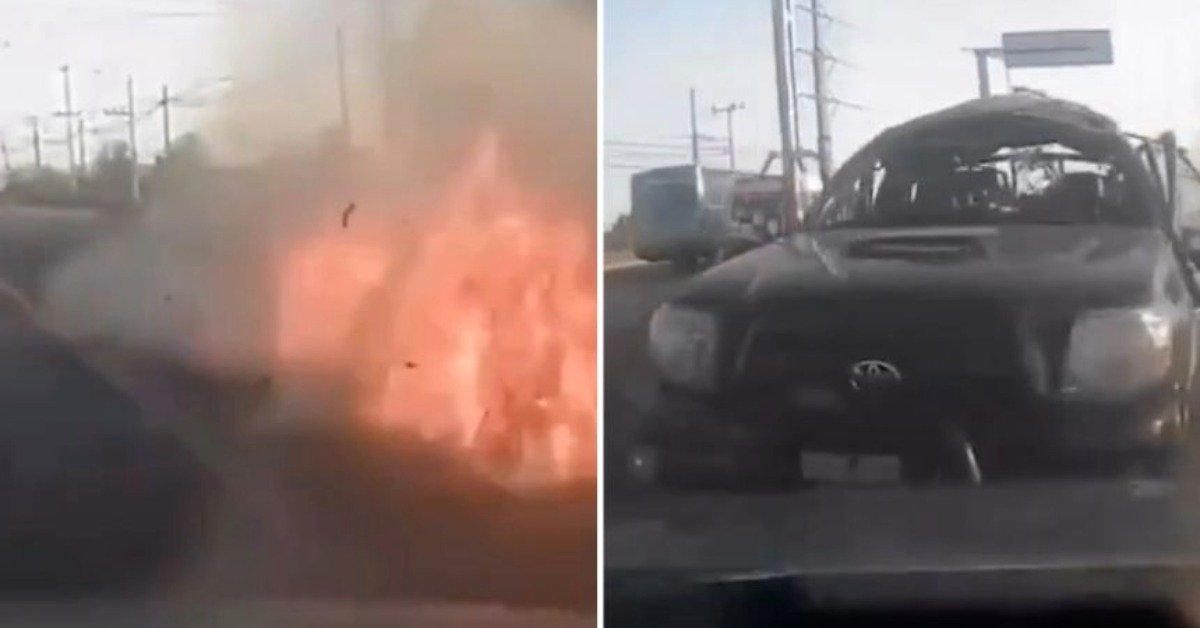
A new account of U.S. intelligence activity in Mexico points to a sharper and more lethal phase in the fight against cartels. The claims come after weeks of tension over CIA-linked operations in Chihuahua, where the deaths of U.S. and Mexican officials exposed confusion over who approved what. For people living in Mexico, the story is not only about security. It also raises fresh questions about sovereignty, cooperation, and how far Washington is willing to go.
CIA’s Secret Cartel War in Mexico Raises New Questions
A new account of CIA operations inside Mexico says U.S. intelligence personnel have taken a more direct role in deadly actions against cartel members since last year.
The operations reportedly targeted several mostly mid-level cartel figures. People briefed on the activity described it as a sharp increase in the lethality of U.S. involvement inside Mexico.
The report adds a new layer to an already tense security relationship. Mexico and the United States have long cooperated against drug trafficking, weapons smuggling, and money laundering. But direct foreign participation in operations on Mexican soil remains one of the most sensitive issues in the relationship.
For residents and foreigners living in Mexico, the issue goes beyond cartel violence. It touches on public security, national sovereignty, and the risk of deeper friction between the two governments that must work together on daily cross-border problems.
A sharper phase in U.S. cartel strategy
The United States has increased pressure on Mexico to confront organized crime groups tied to fentanyl, methamphetamine, and other drugs. That pressure rose after Washington moved in 2025 to classify several Mexican cartels as foreign terrorist organizations.
That designation changed the political tone around cartel enforcement. It gave U.S. agencies a stronger counterterrorism framework for dealing with groups such as the Sinaloa Cartel and Jalisco New Generation Cartel.
The latest account suggests the shift may have gone beyond legal language. It points to a more aggressive operational posture inside Mexico, with U.S. intelligence personnel allegedly involved closer to the point of violence.
Mexican authorities have not publicly confirmed the broader claims of deadly CIA participation. U.S. intelligence agencies usually do not discuss covert operations, especially when they involve another country’s territory.
That leaves the public with a serious but incomplete picture. The larger question is whether these actions were approved through formal channels, informal contacts, or kept outside normal oversight.
Chihuahua case exposed a larger problem
The claims follow the April controversy in Chihuahua, where two U.S. officials and two Mexican officials died in a vehicle crash after an anti-drug operation.
The U.S. officials were later identified in multiple reports as CIA personnel. Mexican officials said they were not authorized to participate in local operations. The case led to a diplomatic note from Mexico and the resignation of Chihuahua’s state prosecutor after inconsistent public explanations.
That episode showed how quickly security cooperation can become a sovereignty dispute. It also raised questions about the role of state-level authorities when foreign agents are involved in operations with national security implications.
Mexico’s position has been clear in public statements: intelligence sharing is acceptable, but foreign agents cannot conduct operations inside the country without proper authorization.
That distinction matters. Sharing information is one thing. Participating in field operations, especially deadly ones, is another.
Cooperation without losing control
Mexico and the United States face a practical problem. Cartels operate across borders, move money through international systems, and traffic drugs into U.S. communities. The criminal networks do not stop at customs checkpoints.
At the same time, Mexico has a long history of resisting foreign intervention. Any perception that U.S. agencies are acting independently inside Mexico can trigger public anger and political backlash.
For President Claudia Sheinbaum’s government, the challenge is to maintain U.S. cooperation without appearing to cede control over national territory. For Washington, the challenge is to show results against cartels without creating a diplomatic rupture.
That balance is becoming harder. U.S. officials have framed cartels as a national security threat. Mexican officials have framed unauthorized foreign participation as a legal and constitutional problem.
Both views can exist at the same time. But when operations become lethal, the space for quiet cooperation gets smaller.
What remains unclear
The latest claims do not fully explain how the alleged operations were approved, who selected the targets, or what role Mexican authorities played.
Those questions matter because accountability varies by scenario. A joint operation approved by Mexico’s federal government would carry one set of legal and diplomatic implications. A covert action without proper Mexican approval would carry another.
It is also unclear whether the reported targets were killed during Mexican-led operations supported by U.S. intelligence or during actions with more direct U.S. participation.
Until those details are clarified, the story will remain politically volatile. It is likely to feed debate in Mexico over sovereignty, transparency, and the limits of U.S. security cooperation.
For now, the clearest development is the direction of travel. U.S. anti-cartel efforts appear to be moving from intelligence support toward more direct involvement. That shift may bring short-term tactical gains, but it also raises the risk of deeper diplomatic conflict.