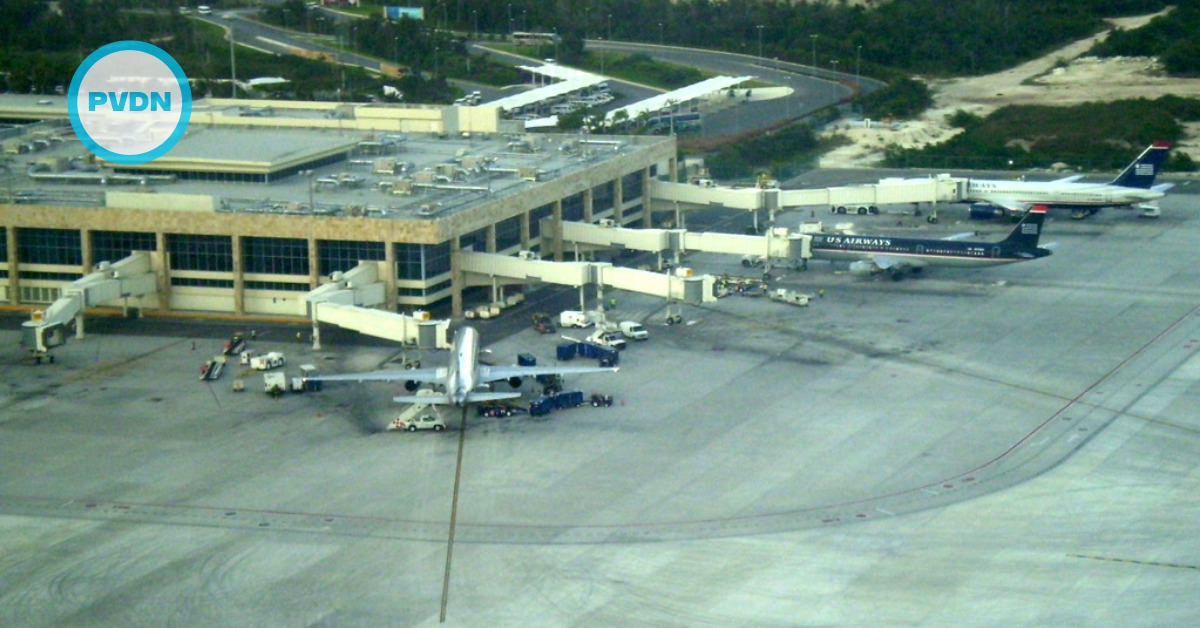
Mexico air arrivals reached 16.57 million between January and October 2025, edging past 2024 levels and sitting 10.2 percent above 2019.
Mexico started the final stretch of 2025 with a record wave of visitors stepping off international flights. Official figures from the federal Tourism Ministry and the Interior Ministry’s migration unit show that Mexico air arrivals reached 16.57 million foreign tourists between January and October 2025, a touch above the same period in 2024 and 10.2 percent higher than in 2019, the last full year before the pandemic disrupted travel.
The gain over 2024 is modest in raw numbers, just under one hundred thousand extra visitors, but the comparison with 2019 is what stands out for officials. Rather than a simple recovery, the data point to a larger, more resilient market in which Mexico has locked in and expanded the demand created when it remained open to travelers earlier in the decade.
Behind the national total is a familiar ranking of source countries. The United States remains by far the dominant market, accounting for about 11.16 million air tourists in the first 10 months of the year. Canada ranks second with roughly 2.08 million visitors, while the United Kingdom ranks third with around 372,000. All three markets are slightly above their 2024 levels, and each now sits comfortably ahead of its 2019 volume, led by U.S. growth of more than a quarter compared with pre-pandemic figures.
Mexico air arrivals keep rising
The headline doesn’t rest only on North America and one European partner. Tourism officials highlight double-digit percentage increases from Italy, Argentina, South Korea and China, signaling that Mexico is slowly widening its base beyond the traditional flows from the United States and Canada. Those four markets posted annual growth rates ranging from just over ten percent to nearly fifteen percent compared with the previous year’s January–October period, according to the latest breakdown circulated by the Tourism Ministry.
The profile of people getting off those planes is broad. Ministry data show that almost three in ten visitors are between 30 and 44 years old, roughly a quarter are 45 to 59, and close to one in six are over 60. Young adults aged 16 to 29 account for around 18 percent of arrivals, while children and teenagers represent more than 11 percent. Taken together, the figures support the image of Mexico as a destination that draws families, older retirees, and younger travelers looking for city breaks or beach escapes on the same flights.
Air tourism is only one piece of a larger picture. In a separate report presented in November, Tourism Minister Josefina Rodríguez Zamora said Mexico welcomed 71 million visitors of all types between January and September 2025, almost 14 percent more than a year earlier. International tourists alone totaled 34.7 million during those nine months, and foreign exchange earnings from visitors reached 25.78 billion dollars, with air travelers spending an average of about 1,243 dollars per trip.
The air side of the business depends on infrastructure keeping pace. Mexico’s three main airport groups, which operate hubs such as Cancún, Mexico City, Guadalajara and Los Cabos, handled 109.7 million passengers between January and October 2025, a 2.6 percent increase over the same period in 2024. That figure includes domestic passengers as well, but it underlines how heavily the country’s economy now leans on busy terminals that funnel tourists toward coastlines and major cities.
What the boom means for destinations
For the federal government, the new record in air arrivals is both an economic milestone and a political message. Rodríguez Zamora has repeatedly described tourism as a driver of “shared prosperity,” arguing that higher visitor numbers and rising average spending help lift incomes in communities that host hotels, restaurants and tour operators. Her comments this year stress that tourism receipts are growing faster than visitor counts, a sign that Mexico is attracting travelers willing to spend more on longer stays, cultural activities and higher-end experiences.
At the same time, officials know that Mexico’s dependence on a few key markets carries risks. The latest air arrival figures show that the United States and Canada still account for the majority of foreign tourists by air, which makes the sector sensitive to economic swings, airline capacity and policy decisions in those countries. The recent uptick from Italy, Argentina, South Korea and China is important in that context, because it hints at a slightly more diversified future in which shocks in one region are less likely to hit every destination at once.
Seasonality remains another defining feature. The Tourism Ministry expects the winter months, especially from October through early spring, to bring a fresh surge of visitors from cold-weather markets in North America and Europe. The minister has already pointed to a strong September performance and early winter bookings as signs that 2025 could end as a record year overall, setting a high base for the years leading into the 2026 World Cup and other major events.
How that growth plays out on the ground will depend on decisions made far from arrival gates. Local authorities and business leaders in beach resorts and big cities face the task of turning higher arrival numbers into better jobs, improved public services and safer, more comfortable streets for residents and visitors. National officials, for their part, say they want tourism to keep expanding without erasing the cultural and environmental assets that draw people in the first place. For now, the story in the data is straightforward: more planes, more tourists, and a Mexico that has moved well beyond recovery into a new phase of record-setting demand.