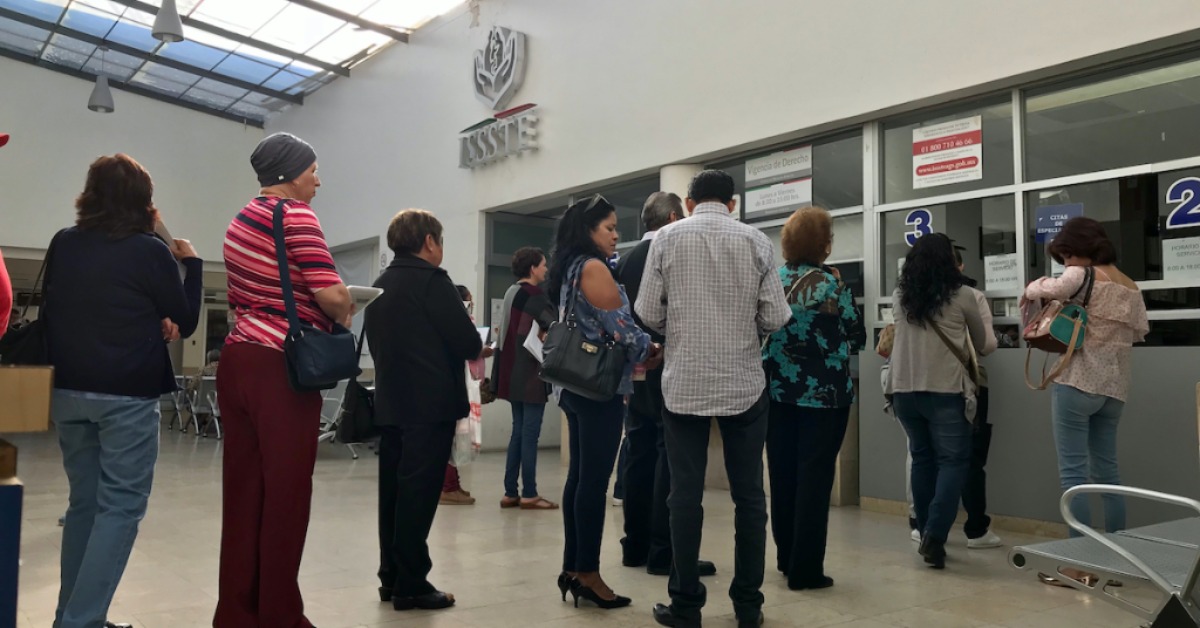
Mexican public health agencies were supposed to be buying medicine, masks, and other medical supplies. Instead, an investigation says millions of pesos went to companies that existed mostly on paper. The reported losses stretch across federal institutions and several state governments, raising questions about how the deals were approved and why hospitals still faced shortages. For readers outside Mexico, the case also shows how shell companies can siphon off public funds while patients are left with delays, missing supplies, and few clear answers.
What the investigation found
An investigation published March 17 says 361.5 million pesos in public health spending went to 26 shell companies across 93 contracts. The contracts were signed between late 2018 and 2025.
The federal agencies named are IMSS, Mexico’s main public health provider, ISSSTE, which serves government workers, and INSABI. INSABI was a former federal health agency. Eight state governments were also named. The reported spending includes 314.4 million pesos at the federal level and 47 million pesos at the state level. The biggest share, 297.5 million pesos, was tied to IMSS.
The most troubling part is not only the money, but the missing proof. The investigation says many agencies could not show clear evidence that medicines, masks, or other supplies reached hospitals. In some cases, authorities denied the purchases or said records were unavailable. That leaves a simple question at the center of the story: if public money was paid, where did the products go?
How paper companies can get paid
In plain language, a shell company is a business that can issue invoices and sign contracts without having the real capacity to supply what it sells. On paper, it can look legitimate. In practice, it may lack staff, storage space, equipment, or even a real office.
The investigation says some companies used addresses linked to private homes or empty spaces. Mexico’s tax authority later placed some of the firms on official lists of suspected or confirmed phantom suppliers. That does not answer every question about every contract. But it does strengthen the concern that public agencies were paying vendors with little real ability to deliver medical goods.
The investigation also says many of the deals were made through faster purchasing methods rather than full open competition. That matters because less competition can mean less scrutiny. During a health emergency, governments often move quickly. But fast contracting can also make weak checks easier to miss. If officials rely too much on paperwork, a company can look compliant long enough to get paid.
Why this matters for patients
This story is about more than contracts. It is about what happens inside public hospitals when supplies do not arrive, arrive late, or arrive below standard. The investigation links some of these purchases to shortages during and after the pandemic. When that happens, doctors and nurses are forced to work with less. Patients may face delays, substitutions, or canceled care. In smaller or rural facilities, even a single missing shipment can cause serious problems.
Even readers who mainly use private doctors should not see this as someone else’s problem. Public hospitals carry a large share of Mexico’s emergency and safety-net care. When the public system is weakened, the pressure spreads. Wait times grow. Referrals become harder. Local health services become less reliable. This is not only a corruption story. It is also a public health story.
What still needs answers
The investigation raises serious concerns, but several questions remain open. It is still not clear, contract by contract, what was fully delivered, what may have been partially delivered, and what may never have arrived at all. It is also unclear who approved the payments, who signed for deliveries, and whether any officials or vendors will face consequences.
What makes this case stand out is the type of spending involved. These were not routine office purchases. The money was meant for medical supplies and hospital needs. That is why the findings are likely to resonate beyond Mexico’s politics and procurement system. The paper trail may be complex, but the public expectation is not. If governments pay for health care, patients should be able to trust that the supplies reach the people who need them.
With information from Servicio de Administración Tributaria, Cámara de Diputados