Mexico’s inflation rose again in March, with the biggest pressure coming from the kinds of purchases households notice first. Fresh produce rose sharply, prepared food stayed firm, and some service costs continued to climb. The headline number moved farther from the central bank’s goal, even as the underlying trend softened slightly. For consumers, that means relief is still uneven. For policymakers, it means the path to lower inflation looks harder than it did just a few weeks ago.
Mexico’s inflation moved farther from target
Mexico’s annual inflation rate rose to 4.59% in March, up from 4.02% in February. On a monthly basis, consumer prices increased 0.86%. That is a meaningful jump for one month, and it pushed inflation farther away from the level Banxico wants to see over time.
For readers outside Mexico, the headline matters because it shapes the cost of everyday life. Inflation is not only about broad economic data. It affects what people pay at the market, in restaurants, on utility bills, and for routine services. When the annual rate moves higher after several months of hope for slower price growth, it changes how households plan their spending and how businesses price their goods.
The rebound also matters because it came after a period when markets expected inflation to cool more steadily. Instead, March showed that price pressure remains uneven and can return quickly. That makes the current phase harder to read. Some items remain volatile, but the broader picture is not yet calm enough to suggest that inflation has been fully brought under control.
Food prices drove much of the visible pressure
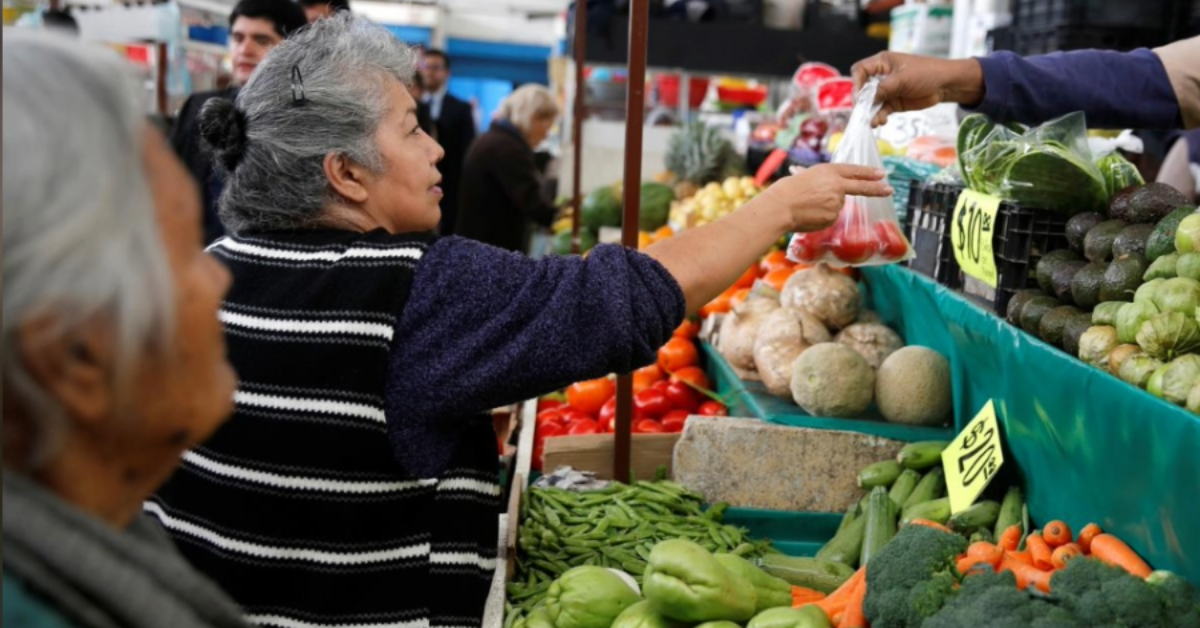
The clearest pressure in March came from fresh food, especially produce. The non-core component of inflation, which includes the most volatile prices, rose 2.46% from February. Within that group, fruits and vegetables jumped 10.75% in one month.
A few items stood out. Jitomate rose 42.01% in March. Pepino climbed 42.71%. Tomate verde increased by 16.46%, limón rose by 18.26%, and papa y otros tubérculos went up by 14.92%. Pollo also moved higher. These are the kinds of products that can quickly change what families spend each week, especially when price increases hit several categories at once.
The pressure was not limited to producing. Air travel rose sharply in March, and loncherías, fondas, torterías, and taquerías also posted increases. Electricity moved higher as well. That mix matters because it shows inflation was not only a story about one crop or one market disruption. Food prepared outside the home and some service categories also continued to move up.
There were some price declines. Eggs, pork, and bundled internet, phone, and pay-TV packages became cheaper in March. But those decreases were not enough to offset the larger increases in produce and other visible categories.
The core reading offered only limited relief
One reason economists watch inflation closely is that not all price increases mean the same thing. A sudden jump in tomatoes can push the headline number up, but that does not always signal a lasting inflation problem. That is why core inflation matters. It strips out the most volatile items and gives a better sense of the underlying trend.
In March, core inflation rose 0.38% from the previous month and stood at 4.45% on an annual basis. That was a bit lower than the headline number, which offers some relief. But it is still high. More importantly, services remained firm. That suggests price pressure is not limited to seasonal swings in food prices.
This distinction is important for readers trying to understand whether March was a temporary shock or a broader warning. The answer is that it was both. The headline was pushed up by volatile food prices, but the core reading still shows that underlying inflation has not cooled enough. The problem is not as simple as waiting for one crop price to normalize.
What this means for Banxico and consumers
Banxico cut its benchmark interest rate to 6.75% on March 26. At that time, it said inflation risks still leaned upward and repeated that it expects inflation to return to its 3% goal in the second quarter of 2027. March’s inflation report does not settle the next rate decision on its own, but it does make the path less comfortable.
The central bank now faces a familiar problem. Economic activity has shown weakness, which supports lower rates. But inflation is still too high, and the latest reading moved in the wrong direction. That means Banxico may have less room to cut quickly, even if growth remains soft. The result could be a more cautious tone in coming decisions.
For consumers, the message is simpler. Relief is arriving slowly, and not in all categories at once. Even when the peso looks stable, local prices can still rise, affecting daily budgets. That matters for Mexican families, as well as for many foreign residents who earn abroad and spend locally. Exchange-rate advantages can help, but they do not offset higher grocery, restaurant, utility, and service costs in Mexico.
Why this story matters beyond one month
One inflation report does not define a year. Prices can move sharply for seasonal or weather-related reasons, then cool again. But March matters because it interrupted the idea that inflation was moving down in a straight line. It also showed that the categories people feel most directly are still capable of driving the national number higher.
The minimum-consumption basket rose 4.56% annually in March. That is close to the headline reading and helps explain why inflation remains more than a technical story. It is not only about financial markets or central bank language. It is about whether households feel any real breathing room when they shop, pay bills, or eat out.
That is why March’s report will matter well beyond the day it was published. It gives Banxico another reason to stay careful. It gives consumers another reason to watch food and service prices closely. And it reminds readers that inflation in Mexico is still a live issue, not a problem that has already passed.