Discover how Mexico’s real time beach water quality app empowers beachgoers to check water safety at 289 beaches, avoid health risks from fecal contamination, and drive cleaner coasts.
Mexico is renowned for its white‑sand shores and clear waters, but pollution from human waste threatens both visitors and local economies. To tackle this growing health risk, the Federal Commission for the Protection against Sanitary Risks (Cofepris), together with state health authorities and public health labs, has unveiled a real time beach water quality app called Playas MX. Available on iOS and Android, the app gives users instant access to water‑quality data for 289 beaches across the country.
Beaches become unsafe when bacterial levels spike. Authorities test for enterococci—bacteria that signal fecal contamination—and set a safety limit of 200 most probable number (MPN) per 100 ml. During pre‑holiday sampling, Puerto Vallarta’s Holy Beach registered 228 MPN/100 ml, marking it unfit for swimming. With infection risks ranging from stomach upsets to ear and skin infections, timely alerts can keep families safe.
How the real time beach water quality app works
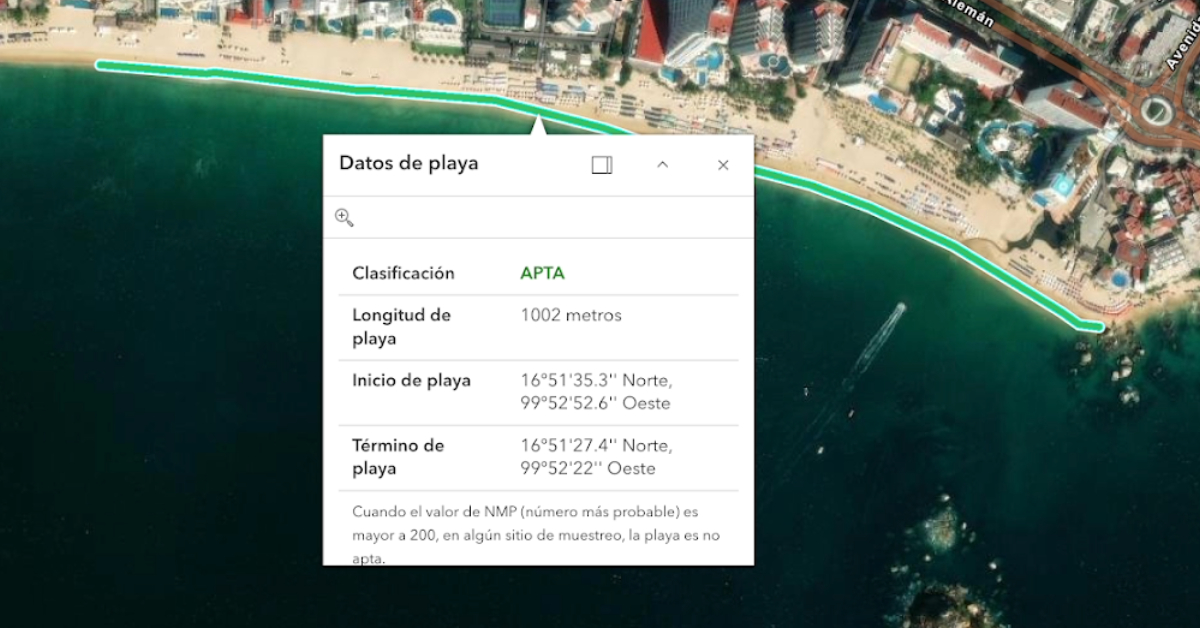
Playas MX draws on periodic seawater samples taken by Cofepris and its lab network. Users can:
- Search by beach name or tap a map to find nearby shores
- View the latest enterococci count and a simple risk rating (safe, caution, or unsafe)
- Receive notifications when changes push a beach above safe limits
Behind the scenes, sampling teams collect water at set intervals, test it in accredited labs, then push results to a central database. The app refreshes its data daily, so before you grab your towel and sunscreen, you can confirm whether the water meets health standards.
Plastic pollution and beach health
Fecal contaminants aren’t the only threat. Plastic debris—bottles, bags, microplastics—poisons marine life and undermines beach experiences. Although Playas MX focuses on bacteria, its public visibility shines a light on broader waste‑management failures. When tourists and locals see “unsafe” labels, they not only avoid risky waters but also pressure local operators to tackle all forms of pollution, including plastics.
Driving change in coastal communities
By putting water‑quality data in everyone’s pocket, the app nudges municipalities and tourism businesses to invest in sewage treatment, drainage upgrades, and solid‑waste controls. Informed beachgoers vote with their feet: when a popular cove shows “unsafe,” they choose a cleaner spot or delay their visit—creating a financial incentive for local officials to act.
Beyond health, this tool fosters a culture of responsible tourism. Citizens learn that checking an app before heading out can prevent illness and spark conversations about clean beaches. As water quality improves, so will the reputation of Mexico’s coastlines, protecting ecosystems, supporting local jobs, and preserving the sun‑and‑sand dream for future generations.
beach water quality, water quality app, Playas MX, Cofepris, beach health