Mexico’s tourism industry is preparing a fresh pitch for travelers in the United States and Canada. The message is straightforward: the country remains open and ready to receive visitors. But the push is about more than image. It reflects how much Mexico depends on confidence in its biggest foreign markets, why security headlines can ripple through bookings, and why officials want a clearer message in place before Tianguis Turístico opens in Acapulco later this month.
A coordinated message before Tianguis
Mexico’s National Tourism Business Council, known by its Spanish initials CNET, is working with Sectur, the federal Tourism Ministry, and consulting firm Global Nexus on a communications strategy aimed first at the United States and Canada. The goal is simple on paper. Mexico wants travel buyers, industry partners, and potential visitors in both countries to hear a steady message that the country remains safe to visit and fully capable of receiving international tourism.
The effort is expected to have its first public checkpoint during Tianguis Turístico, which will be held in Acapulco from April 27 to 30. That timing matters. Tianguis is where much of Mexico’s tourism business is marketed, negotiated, and framed for the months ahead. If officials and private industry want to shape the conversation abroad, this is one of the most visible places to do it.
The campaign also shows how closely government and private tourism leaders are now working on reputation management. This is not only about advertising beaches, hotels, or flights. It is also about controlling damage when negative headlines travel quickly across borders and begin to shape decisions by travelers who may know Mexico only through national news alerts or social media clips.
Why the United States and Canada come first
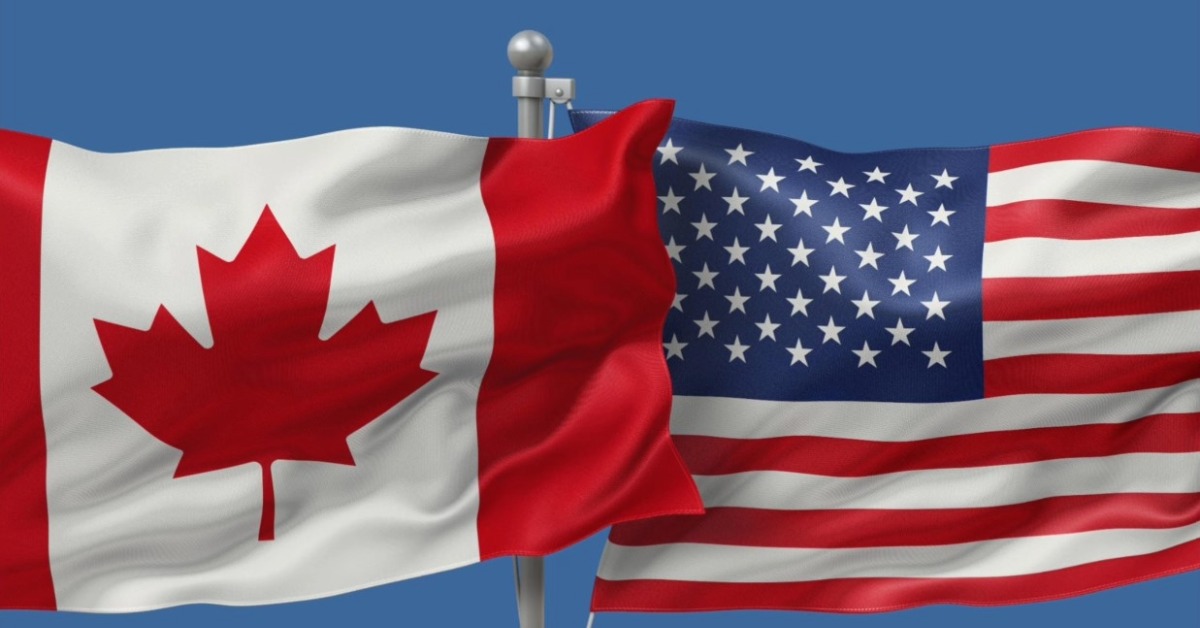
The focus on the United States and Canada is not accidental. They are Mexico’s two most important international air markets. Official tourism data show that, by nationality, U.S. travelers remained the largest source of air tourist entries in 2025, with Canadians in second place. The same ranking was held in January 2026. That means any shift in confidence north of the border can be felt quickly across resorts, city hotels, airlines, tour operators, restaurants, and local service businesses.
For readers living in Mexico, that context helps explain why this story matters beyond industry circles. When U.S. and Canadian demand stays strong, the effect reaches far beyond airports and hotel corridors. It supports jobs, local spending, event calendars, and investment decisions in destinations across the country. When confidence softens, the pressure can spread just as fast.
That is why the current message is aimed at reassurance, not only promotion. Mexico is not trying to introduce itself to those markets. It is trying to protect an existing relationship that already carries enormous economic weight. In practice, this means faster responses to negative coverage, more direct outreach to media and travel partners, and a stronger effort to present current conditions in destination areas as they actually are.
What Tianguis Turístico really does
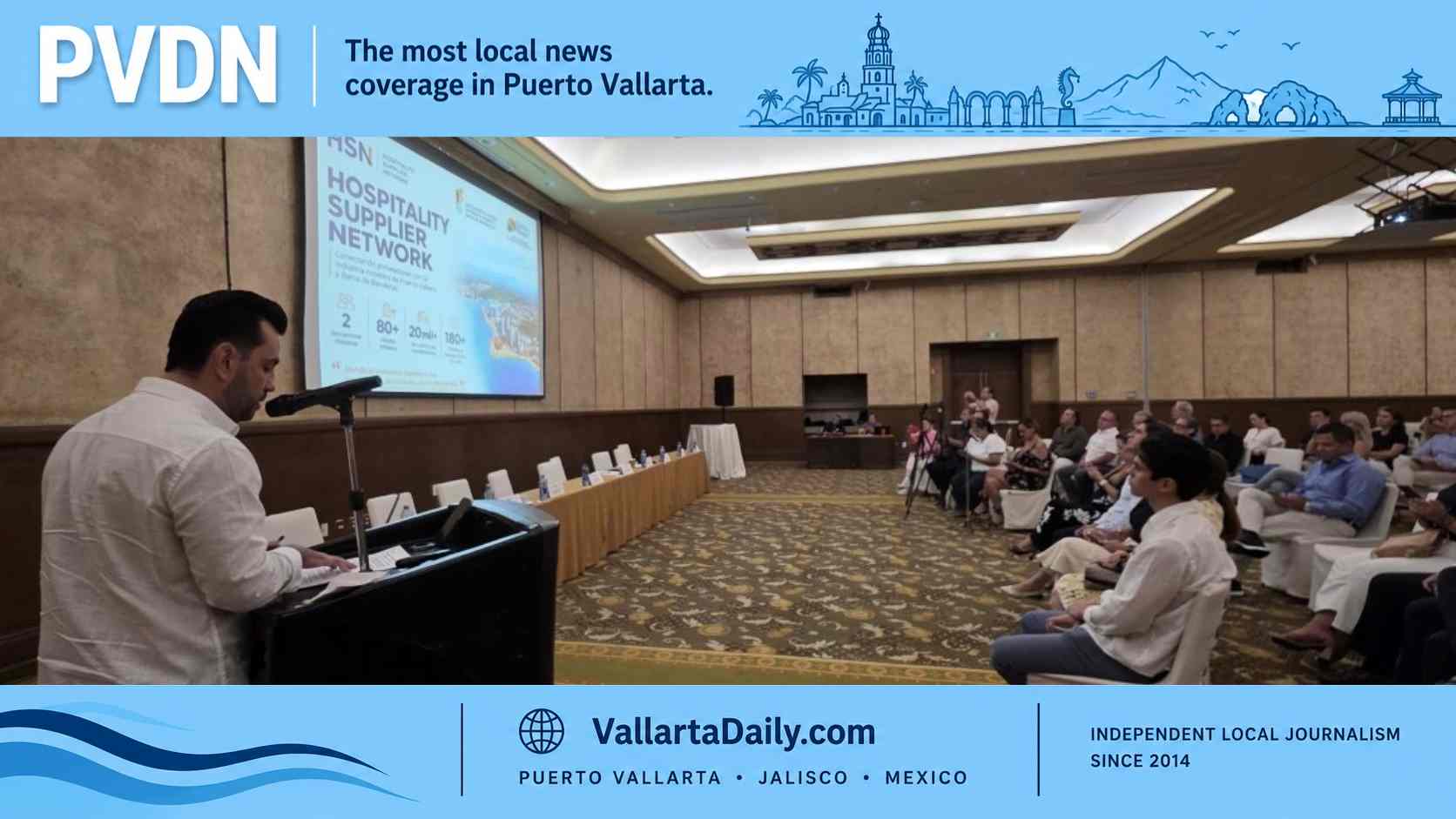
For international readers, Tianguis Turístico can sound like a festival or public fair. It is closer to a business platform. The official event describes itself as Mexico’s most important tourism forum, built around prearranged meetings between buyers and exhibitors. In other words, this is where destinations, hotel groups, airlines, state tourism boards, and other industry players meet the people who sell travel products in foreign markets.
That makes the event a logical stage for a safety messaging push. This is not only about convincing individual tourists. It is also about influencing the intermediaries who shape demand. Travel advisors, wholesalers, meeting planners, and tour operators often help determine how a destination is presented abroad. If those actors feel uncertain, the effect can show up later in bookings, routes, packages, and group business.
This year’s edition carries extra symbolic weight because it is the 50th edition and returns to Acapulco, a city that still holds a strong place in Mexico’s tourism history. Positioning a reassurance campaign there allows officials and business leaders to frame the message within a broader narrative of resilience, continuity, and confidence in the country’s tourism system.
Why this push gained urgency
The campaign did not appear in a vacuum. Tourism leaders had already been discussing outside help in public relations and promotion, but recent security headlines sharpened the urgency. In recent weeks, industry voices have described the need for a faster communications response to violent incidents that can distort perceptions of the country as a whole, even when the reality on the ground varies sharply from one place to another.
That point is important. A national tourism campaign works in broad strokes, but travel decisions are often local. Los Cabos, Puerto Vallarta, Guadalajara, Mexico City, and Acapulco do not carry the same risk profile, visitor mix, or travel experience. Yet negative coverage often flattens those differences. For tourism officials, that is one of the hardest parts of this job. They are trying to defend the image of a large and uneven country in a media environment that rewards simple narratives.
The message being built now appears to reflect that challenge. It is less about claiming perfection and more about insisting that broad conclusions drawn from isolated crises can mislead potential travelers. Whether that argument works will depend on credibility. Reassurance only travels well when it is backed by timely facts, visible coordination, and a visitor experience that matches the promise.
The bigger play behind the message
There is also a longer horizon here. Tourism leaders have tied this moment to the World Cup 2026, which Mexico will co-host with the United States and Canada. From the industry’s perspective, the tournament is not just a sports event. It is a test of logistics, hospitality, security, communication, and brand reputation. If the visitor experience goes well, the benefits can last beyond the event itself.
That explains why business leaders are talking not only about 2026, but also about the years after it. The hope is that visitors who come for the World Cup or watch Mexico host it will leave with a stronger sense of confidence in the destination. In that sense, the current campaign is not just defensive. It is also a setup for future demand.
At the same time, the push comes while the sector points to strong national numbers. Industry materials tied to Tianguis say Mexico closed 2025 with high international visitor volume and strong tourism revenue. That combination matters. It suggests the current strategy is not being launched from a position of collapse. It is being launched from a position of strength, with officials trying to protect momentum before new global attention arrives.
What readers should take from it
For expats and regular travelers in Mexico, the most useful takeaway is not the slogan itself. It is a fact that tourism perception is now being treated as a strategic asset. Airports, highways, hotels, and events remain important, but so does the ability to answer bad headlines quickly and convincingly. The country’s tourism establishment is signaling that image management is no longer a side task. It is part of the sector’s core infrastructure.
That does not mean a communications campaign can erase every concern. It cannot. Mexico is too large and too varied for a single message to settle every question. But it can shape how the conversation begins, and that matters in a business where hesitation often starts long before a plane ticket is bought.
The real test will come after the messaging leaves the conference room. If officials and industry leaders can provide clear information, react quickly, and show consistency on the ground, the campaign may help steady confidence in two of Mexico’s most important foreign markets. If not, the message will sound like marketing. In tourism, that difference is everything.